Balakrishna Injured on NBK111 Sets - Surgery News Creates Buzz
Editorial desk - JUL 21, 2026
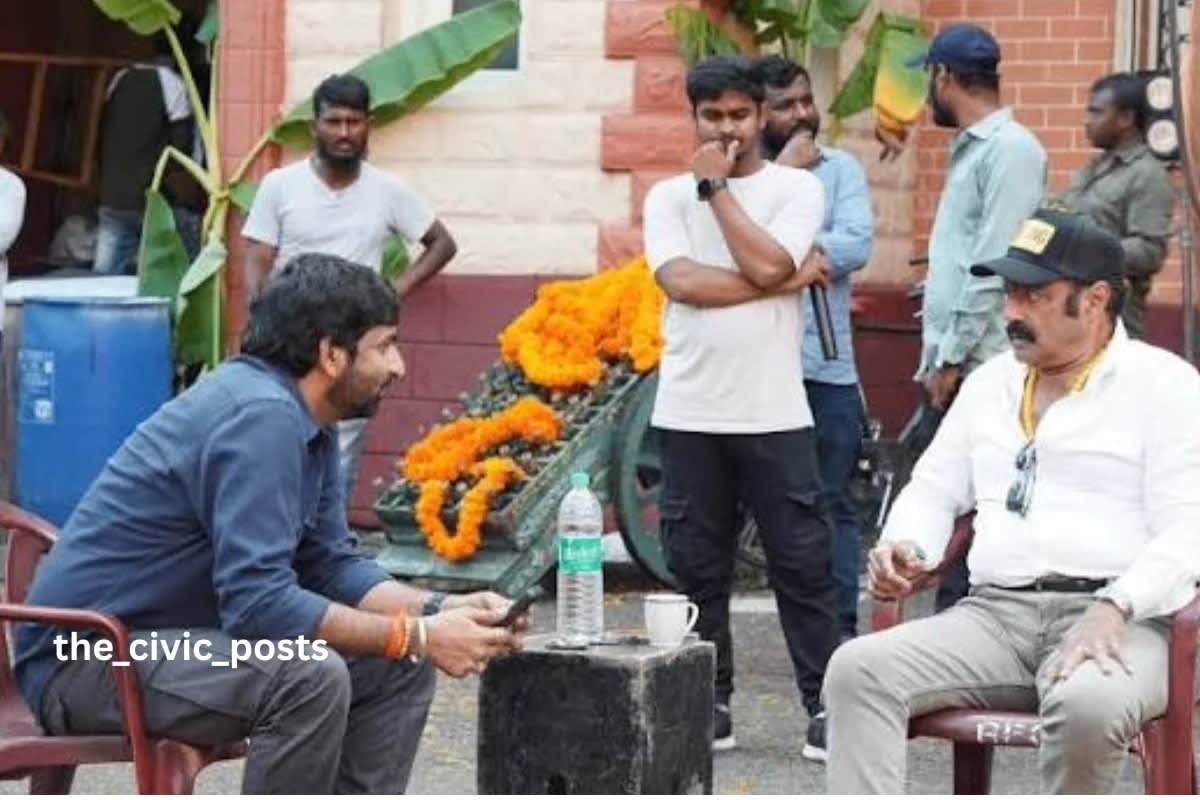
During an intense and high-stakes outdoor filming schedule in the coastal city of Kakinada, Andhra Pradesh, veteran Telugu cinema icon Nandamuri Balakrishna sustained a minor muscle injury while performing an elaborate action sequence for his upcoming feature film, tentatively titled NBK111. The incident took place during the execution of a physically demanding stunt sequence specifically designed as a centerpiece moment for the movie. Immediately following the onset of discomfort, the production's on-set medical team evaluated the actor before transferring him for comprehensive diagnostic scans. Specialists confirmed that Balakrishna suffered a minor muscle tear and recommended a routine, low-risk surgical procedure to facilitate optimal recovery and prevent long-term physical strain. Representatives from Vriddhi Cinemas, the production house behind the project, promptly released an official communication reassuring fans and industry stakeholders that the situation is entirely under control, routine in nature, and poses no cause for alarm regarding the actor's overall health.
The news of the injury quickly reverberated across social media platforms and regional news outlets, drawing immense attention from fans and cinematic observers nationwide. Far from being an isolated news item, the event highlights the uncompromising physical commitment that has defined Balakrishna’s multi-decade career in Indian cinema. Affectionately revered by millions of followers as Balayya, the legendary actor has built a career lasting over fifty years on a foundation of fierce energy, theatrical dialogue delivery, and an unshakeable refusal to compromise on the physical demands of mass commercial entertainment. While modern filmmaking techniques offer actors wide latitude to rely on computer-generated imagery, green-screen replacements, and body doubles, Balakrishna remains among the rare breed of traditional action stars who consistently execute a significant portion of their own stunt work.
The project itself, NBK111, stands among the most high-profile commercial projects currently in production across the South Indian film industry. The movie marks a celebrated reunion between Balakrishna and director Gopichand Malineni following their huge box-office success with Veera Simha Reddy. Malineni has established a distinct directorial reputation for crafting high-octane action thrillers that marry deeply emotional narrative arcs with stylized, visceral combat set-pieces tailored precisely to Balakrishna’s powerful screen presence. To elevate this production to an even grander scale, the creators assembled an international technical crew and a star-studded ensemble cast, featuring veteran actor Sanjay Dutt in a pivotal antagonist role alongside leading actress Kajal Aggarwal.
The prospect of an on-screen showdown between Balakrishna and Sanjay Dutt has generated massive excitement among moviegoers since the project was first announced. Pitting two veteran stalwarts of Indian action cinema against one another requires large-scale action choreography capable of matching their combined gravitas. Consequently, the stunt sequences planned for NBK111 incorporate complex wirework, multi-person martial arts, high-impact falls, and rapid weapon choreography. It was during the execution of one of these high-intensity sequences along the coastal backdrops of Kakinada that Balakrishna experienced localized muscle pain, prompting the immediate suspension of shooting for the safety of the performer.
From a clinical and sports medicine perspective, muscle tears are among the most frequent injuries encountered by elite performers and stunt personnel participating in high-acceleration movements. In commercial action cinema, achieving the desired visual power requires actors to perform explosive physical movements repeatedly across multiple takes under intense lighting and varying thermal conditions. When muscle fibers undergo sudden stretch forces beyond their elasticity limit, micro-tears can develop. While mild muscle strains are often managed conservatively through resting protocols and physical therapy, medical professionals frequently recommend minor surgical intervention for active performers. A corrective procedure ensures that the torn muscle fibers are securely re-aligned and reinforced, minimizing the likelihood of recurring injuries or long-term joint imbalance when the actor resumes intense physical work.
In response to the incident, the team at Vriddhi Cinemas immediately initiated a strategic re-alignment of the film's production schedule. Rather than suffering long delays, the production team restructured the shooting timeline to adapt to Balakrishna’s recovery phase.
Once cleared by medical professionals for light physical activity, the crew will transition to shooting talkie portions, dramatic dialogue scenes, and key narrative interactions that do not demand heavy physical strain. Complex fight choreography and major action schedules will be deferred until the actor receives complete medical clearance, ensuring that his physical well-being remains the highest priority while keeping the broader release strategy firmly on track.
Balakrishna’s determination to perform demanding action sequences himself speaks to an enduring philosophy within traditional filmmaking, where tangible physical realism creates a deeper connection with the audience.
Over the past two decades, movie production has undergone massive technological evolution, leaning heavily into digital stunt replacement, digital environment building, and artificial safety cushions.
Despite these available shortcuts, the visceral impact of mass action cinema remains anchored in the genuine kinetic energy that an actor projects on camera. Audiences naturally sense the weight, exertion, and authenticity of a performer executing real movements on set, and Balakrishna’s dedication to maintaining this standard has remained central to his box-office durability.
The Kakinada incident has also sparked wider industry discussions surrounding stunt safety protocols, physical conditioning, and injury management during grand-scale productions. Modern action directing is an intricate science requiring precise harmony between stunt coordinators, safety riggers, camera operators, and performers.
Even under the strictest safety protocols and extensive pre-shot rehearsals, the physical nature of practical action means an inherent element of unpredictability always exists. Continuous physical exertion over extended shooting days can induce muscle fatigue, leaving even highly experienced performers susceptible to acute strain during high-speed movements.
Following the announcement, an overwhelming surge of support poured in from across the film fraternity and the broader public domain. Prominent directors, fellow actors, political leaders, and co-stars expressed their best wishes for Balakrishna’s swift recovery, while fan organizations organized community gatherings and digital campaigns celebrating his resilience.
The emotional public reaction underscores Balakrishna’s unique position not only as a bankable box-office star, but as a deeply beloved cultural icon across the Telugu-speaking states of Andhra Pradesh and Telangana.
His team responded with heartfelt gratitude, expressing appreciation for the nationwide outpouring of affection and confirming that the actor's morale remains extremely high as he looks forward to returning to work.
The production of NBK111 highlights the changing scope of Telugu cinema, where massive budgets, cross-regional casting, and high-end technical craftsmanship come together to create multi-market appeal.
Under the guidance of Vriddhi Cinemas, the film has mobilized top-tier technical talent, custom-built sets, and modern camera setups designed to bring Malineni’s vision to life. The choice of Kakinada as a key filming location was deliberate, offering rugged coastal vistas and atmospheric textures that enhance the dramatic tension of the narrative.
As Balakrishna completes his routine surgical procedure and begins his structured recovery program, anticipation for NBK111 continues to climb. The film represents a key project in the actor’s current artistic phase, which has produced back-to-back theatrical blockbusters marked by strong box-office numbers and widespread cultural engagement.
His ongoing ability to reinvent his cinematic presentation while remaining faithful to his core mass appeal has allowed him to remain a dominant figure in contemporary Indian cinema.
Ultimately, this on-set injury serves as a clear reminder of the dedication, effort, and real physical toll behind the creation of major cinematic spectacles. For Balakrishna, taking calculated physical risks to entertain his audience has always been a core value of his artistic craft.
With a routine surgical repair ensuring complete structural healing, industry observers and moviegoers alike eagerly await his return to the sets of Kakinada, confident that the veteran actor will return to the camera with his signature energy and deliver another memorable cinematic experience.