‘Cinema Is Losing Its Edge,’ Says Ram Gopal Varma in Strong Remarks on Current Filmmaking Trends
Kranthi Shekar - FEB 26, 2026
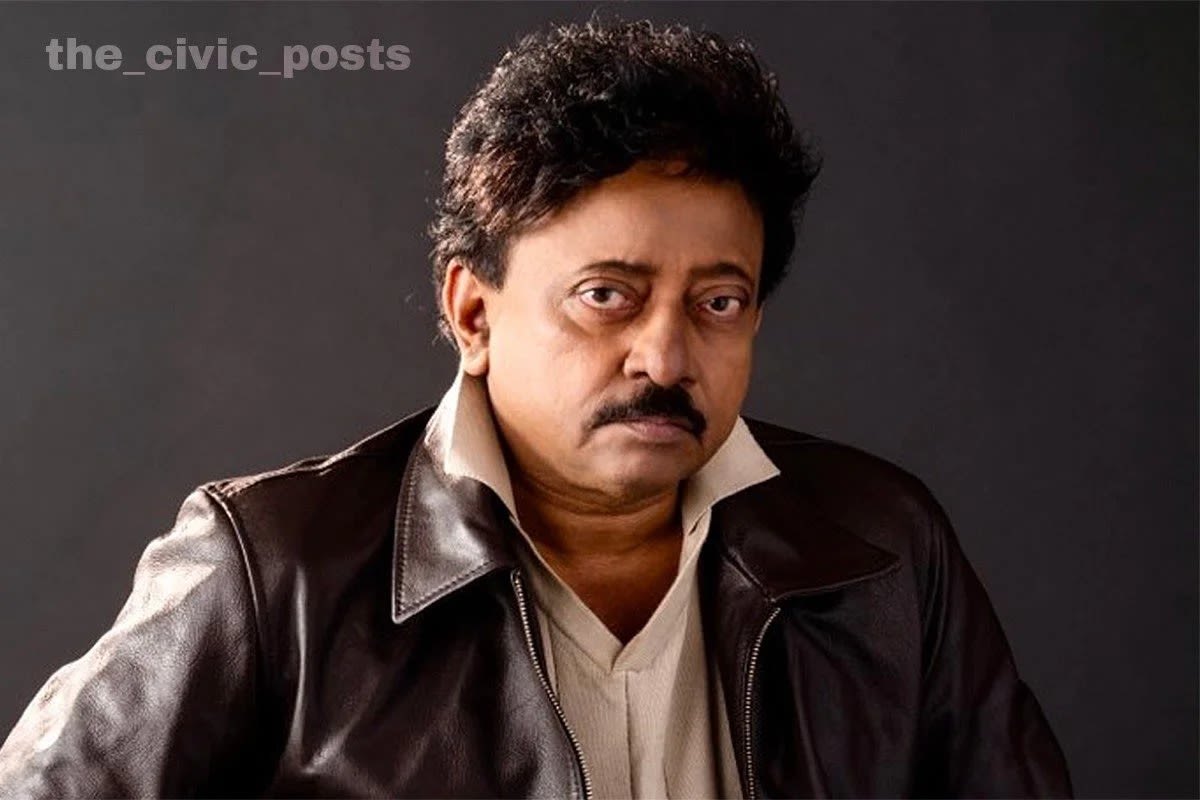
Veteran filmmaker Ram Gopal Varma has once again grabbed headlines, not for his latest film, but for his outspoken remarks about the present state of the Indian film industry. Known for his fearless commentary and unconventional opinions, Varma shared strong views on the creative direction of cinema and the roles played by prominent filmmakers and stars. His comments, as always, stirred widespread discussion among audiences, industry insiders, and social media users.
A Filmmaker Unafraid to Speak His Mind
Over the years, Ram Gopal Varma has built a reputation for being one of cinema’s most candid voices. Whether it’s his critiques of storytelling trends, his take on industry politics, or his reflections on audience tastes, he rarely shies away from controversy. In his latest statement, he has again addressed what he perceives as shortcomings in the current film landscape.
Varma’s remarks touched on the creative stagnation he believes exists in mainstream cinema, especially in relation to the balance between artistic expression and commercial considerations. According to him, many contemporary films prioritize formulaic success over innovation, leading to repetitive narratives and a diminishing emphasis on originality.
Commentary on Filmmaking Priorities
One central aspect of Varma’s critique was how certain filmmakers and production houses focus heavily on star power and marketability rather than investing in strong scripts and storytelling. He argued that while the business side of cinema is vital for profitability and sustainability, it should not overshadow the importance of narrative depth and artistic integrity.
He suggested that when commercial pressures take precedence, films can end up feeling like products engineered for box office returns rather than authentic creative expressions. Such tendencies, in his view, can result in a creative culture that favors predictability and safe choices over risks and experimentation.
Views on Contemporary Directors and Trends
Varma did not limit his commentary to general trends; he also mentioned his views on prominent contemporary directors and their work. While he acknowledged that some current filmmakers have delivered impressive films that have connected with audiences, he emphasized that the overall trajectory of mainstream cinema still leans heavily toward familiar tropes.
Instead of naming specific titles as examples of failure, he highlighted the broader industry pattern that values hype, spectacle, and star appeal more than fresh ideas. He called on filmmakers to take bold creative risks and explore narratives that challenge audiences while also pushing the art form forward.
Swipe/scroll sideways to view images
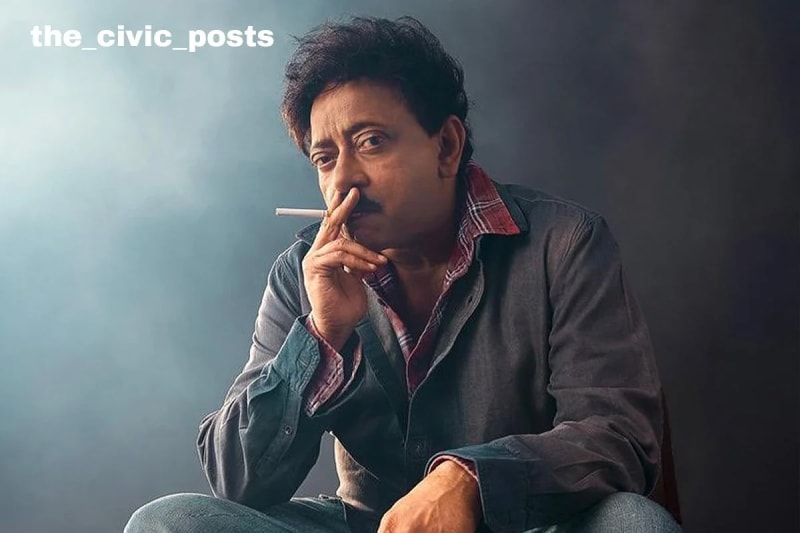
Audience Expectations and Market Dynamics
Ram Gopal Varma also addressed the role of audiences in shaping industry trends. He acknowledged that viewer preferences play a significant role in determining what types of films succeed commercially. In markets where audience demand is skewed toward bigger stars and predictable plotlines, filmmakers naturally gravitate toward building similar content.
However, he reiterated that filmmakers themselves have a responsibility to elevate audience expectations through original storytelling. By introducing diverse and compelling narratives, creators can gradually expand public taste and appreciation for different kinds of cinema.
Social Media Response and Industry Reactions
As with many of his observations, Varma’s latest remarks generated significant reaction across social media platforms. His followers and critics alike weighed in, with some applauding his frankness and others disagreeing with his assessments.
Supporters argued that his critique reflects genuine concerns held by many who care about the evolution of cinema and the value of creative risk-taking. They praised his willingness to speak openly in an industry where staying silent often seems more comfortable or more profitable.
On the other hand, detractors pointed out that the film industry operates within complex economic and cultural realities, and that commercial success and creative depth are not always mutually exclusive. They observed that many recent films have indeed combined artistic storytelling with strong box office performance, suggesting that the landscape may be broader and more varied than his critique represents.
A Call for Creative Renewal
At the heart of Varma’s comments is a call for renewed emphasis on creativity, experimentation, and narrative courage. His argument suggests that Indian cinema’s future lies in embracing bold ideas, nurturing new voices, and not being afraid to challenge conventions. This, he believes, will not only enrich the craft but also create a more vibrant cinematic culture that resonates with audiences at deeper levels.
Given Varma’s influence and legacy in film history, his opinions often spark reflection within industry circles. Whether or not filmmakers agree with his full perspective, his bold assertions continue to highlight important conversations about art, commerce, and the ever-evolving nature of cinema.
Conclusion: Provoking Thought and Discussion
Ram Gopal Varma’s latest comments have once again triggered a wide range of responses, reflecting diverse perspectives within and outside the film fraternity. While some see his observations as necessary wake-up calls, others view them as subjective opinions shaped by personal experiences.
What remains clear is that his statements have encouraged dialogue about the direction of Indian cinema, the role of creativity versus commerce, and how filmmakers can balance audience appeal with artistic risk-taking. These debates are essential for any vibrant creative community, and Varma’s contribution to them underscores his enduring presence as both a filmmaker and a commentator on cinema culture.