AP Takes a Big Leap Towards Clean Travel: Naidu Pushes for 1,000 Electric Buses for APSRTC
Kranthi Shekar - FEB 17, 2026
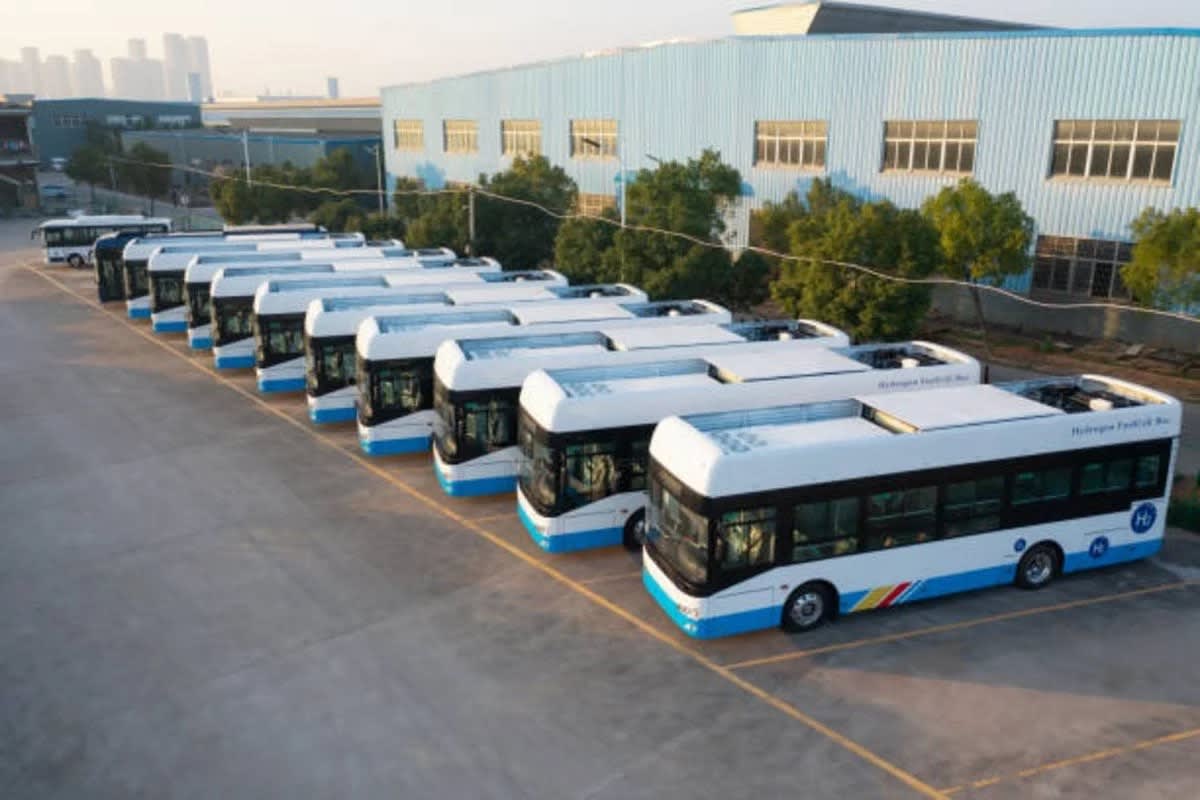
Andhra Pradesh is getting ready for a major upgrade in its public transport system as Chief Minister N. Chandrababu Naidu has directed officials to initiate the purchase of 1,000 new electric buses for APSRTC. This decision is being seen as a strong step towards modernising the state-run transport network while also reducing pollution and cutting down long-term operational costs.
The announcement has created fresh attention around APSRTC, which has been facing constant challenges in recent years due to increasing diesel prices, high maintenance expenses, and rising pressure to improve service quality. By focusing on electric buses, the government is clearly aiming to reshape the transport corporation into a more sustainable and future-ready organisation.
Electric buses are being adopted across several Indian states, especially in metropolitan cities, and Andhra Pradesh now wants to expand this trend on a larger scale. The goal is not just to replace old buses, but to transform the entire travel experience for passengers, making it cleaner, quieter, and more efficient.
One of the key reasons behind this move is the growing burden of fuel costs. Diesel prices have been unpredictable, and every hike directly impacts APSRTC’s budget. Running thousands of buses daily becomes expensive, and it is the transport corporation that often ends up carrying the financial load. Electric buses, in comparison, offer a more economical option in the long run. Though the initial investment is high, the savings in fuel and maintenance are expected to bring major relief to APSRTC over time.
Apart from financial advantages, the environmental benefits of electric buses make this plan even more important. Cities in Andhra Pradesh are rapidly expanding, traffic levels are increasing, and air pollution is slowly becoming a bigger concern. Diesel buses contribute significantly to carbon emissions, and replacing them with electric vehicles can reduce pollution levels in busy areas. Electric buses run without emitting smoke, making them a cleaner alternative that supports a healthier environment.
Another major benefit is passenger comfort. Electric buses provide smoother rides compared to traditional buses. They are quieter, less shaky, and generally designed with modern features. For daily commuters-students, employees, senior citizens, and rural travellers-this can mean a better travel experience and improved reliability. If APSRTC introduces these buses strategically, it can improve services on high-demand routes, reduce overcrowding, and ensure better bus frequency.
However, for this ambitious plan to succeed, infrastructure will play a critical role. Electric buses require a strong charging network. Bus depots need to be upgraded, charging stations must be installed at key points, and power supply systems must be strengthened to avoid disruptions. Officials are expected to work on a detailed plan to ensure that the charging system grows alongside the introduction of new buses. Without proper infrastructure, electric bus operations can face delays, so planning and execution will be crucial.
This initiative is also likely to create new opportunities for employment and investment. Electric bus projects require skilled technicians, EV service staff, and charging station operators. Training programs and skill development in the EV sector may grow as demand increases. Additionally, companies involved in EV manufacturing, charging solutions, and battery technology may see Andhra Pradesh as an attractive destination for investment, especially if the government continues to support clean mobility policies.
The decision also highlights Chandrababu Naidu’s approach towards development-driven governance. Known for focusing on infrastructure and technology, the Chief Minister seems determined to bring major reforms into public transport as well. APSRTC is a backbone for millions of people in Andhra Pradesh, and improving its services can have a direct impact on everyday life. More buses, better connectivity, and modern travel facilities could strengthen the trust of citizens in public transport and reduce dependency on private vehicles.
In the coming months, the procurement process and implementation strategy will be closely watched. Introducing 1,000 electric buses is a large-scale move, and its success will depend on choosing the right manufacturers, ensuring proper maintenance contracts, and managing operations efficiently. If the rollout is handled smoothly, this could become one of the most impactful public transport upgrades in Andhra Pradesh in recent years.
Overall, the plan to bring 1,000 electric buses into APSRTC is more than just a policy decision-it represents a shift in the way the state is thinking about transportation. It combines economic planning with environmental responsibility and aims to offer better commuting options for the public. If executed effectively, Andhra Pradesh could soon emerge as one of the leading states in India’s green mobility journey, setting an example for others to follow.