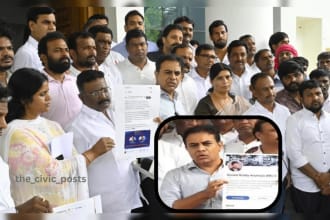
Congress Criticism of PM Modi’s Knesset Speech Sparks Fierce Political Debate in India
Kranthi Shekar - FEB 27, 2026
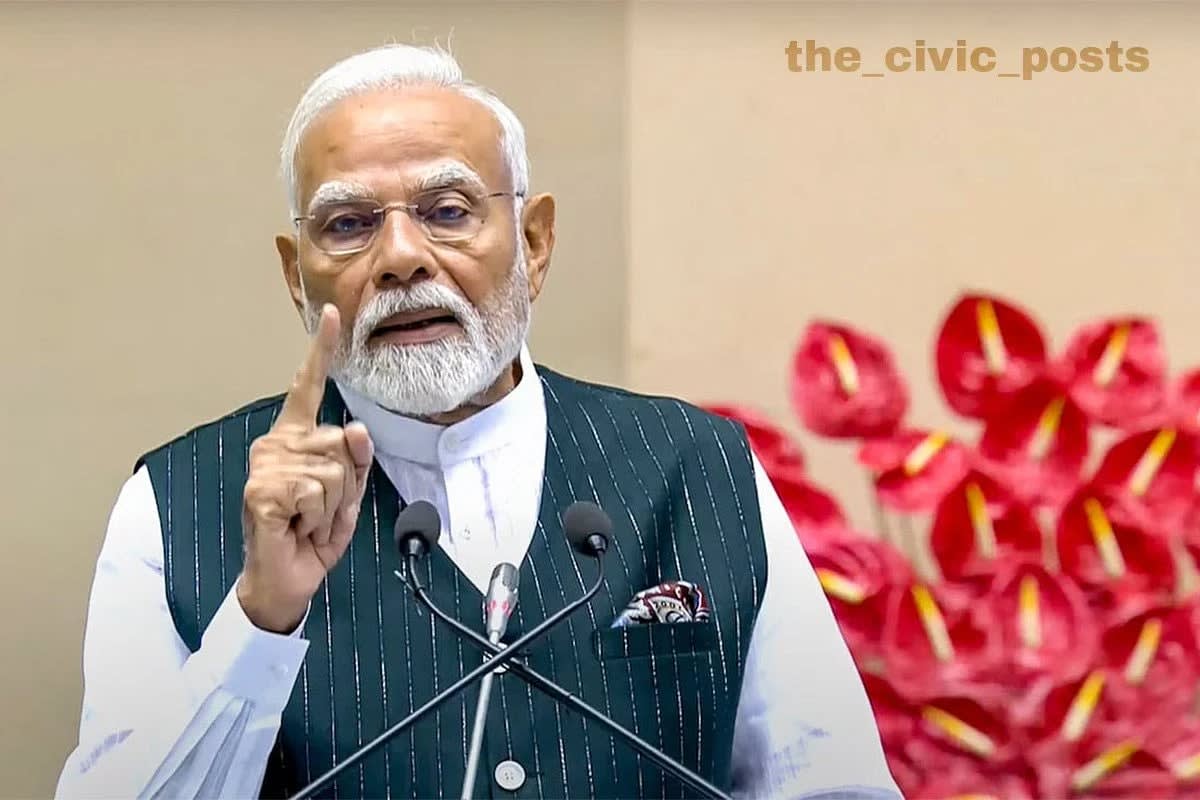
Prime Minister Narendra Modi’s recent address to Israel’s Parliament, the Knesset, has ignited intense political debate in India. While the speech aimed to highlight the strengthening partnership between India and Israel and reaffirm India’s stance against terrorism, it has drawn criticism from opposition leaders, leading to a sharp divide in public and political opinion.
Modi’s Key Messages in the Knesset
During his speech, PM Modi emphasized India’s growing collaboration with Israel in strategic areas such as defense, technology, agriculture, and innovation. He expressed solidarity with Israel in facing regional security challenges and reiterated India’s commitment to countering terrorism globally. The address was widely recognized internationally as a landmark in bilateral relations, reflecting both countries’ shared interests and mutual respect.
The prime minister also acknowledged the human cost of conflict, offering sympathy for civilians affected by violence. These remarks were intended to balance strategic diplomacy with humanitarian concern, showcasing India’s position as a responsible global actor. International media noted the address as a high-profile example of India’s increasing engagement in Middle Eastern geopolitics.
Opposition Voices Raise Concerns
The Indian National Congress reacted strongly to Modi’s speech, claiming it appeared to favor Israel and its leadership excessively. Congress leaders argued that India has historically maintained a neutral stance on the Israel-Palestine issue, balancing diplomatic relations carefully. They expressed concern that the speech could be interpreted as partiality, potentially affecting India’s credibility in international forums.
The opposition also warned that aligning too closely with one side in sensitive conflicts could have long-term diplomatic consequences. They suggested that India’s global image depends on projecting impartiality and fairness, particularly in regions with ongoing political and humanitarian tensions. Some Congress figures went further, suggesting that Modi’s remarks might risk being seen as an endorsement of controversial policies abroad.
BJP Stands by Modi’s Diplomacy
The ruling Bharatiya Janata Party defended the prime minister’s speech as a significant diplomatic achievement. BJP leaders highlighted the warm reception Modi received in Israel, including standing ovations in the Knesset, as evidence of India’s respect and stature on the global stage.
The party emphasized that the speech strengthened India’s bilateral ties, with tangible benefits in defense, cybersecurity, technology exchange, and agriculture. BJP representatives argued that Modi’s engagement advanced national interest and highlighted India’s growing role in global strategic matters.
Additionally, BJP leaders accused the opposition of politicizing foreign policy for domestic gain. They argued that Modi’s approach was pragmatic, focusing on real-world benefits for India, and should not be viewed solely through a partisan lens.
Public Debate and Media Reaction
The speech has sparked a broader public discussion, with social media platforms reflecting the polarization. Supporters of Modi praised the address for enhancing India’s international influence and strengthening a strategic partnership that can yield economic and technological benefits.
Critics, however, continue to stress the importance of balance in foreign policy. They argue that India must exercise caution in expressing strong support for one side in contentious international conflicts, warning that overt alignment could complicate relationships with other nations and affect India’s credibility as a neutral actor.
Implications for India’s Foreign Policy
Analysts suggest that the debate reflects the larger challenge India faces in navigating foreign relations amid complex geopolitical tensions. While forging strategic partnerships is vital, India must also maintain careful messaging to preserve its global reputation for impartiality.
The controversy illustrates how international diplomacy can become a domestic political battleground. Every statement and gesture by national leaders is scrutinized for both its international significance and its domestic political impact. The Knesset address serves as an example of the delicate balance required in foreign policy, where strategic interests and domestic perceptions must be aligned.
Conclusion
PM Modi’s address to Israel’s Knesset has ignited a heated discussion in India, highlighting divergent views on foreign policy. While the BJP considers it a diplomatic triumph that strengthens India’s global influence and bilateral ties, the Congress raises concerns over perceived bias and the potential implications for India’s traditional neutral approach. The debate underscores the challenges modern governments face in balancing international diplomacy with domestic political considerations, demonstrating that even well-intentioned foreign engagements can become subjects of intense domestic scrutiny.