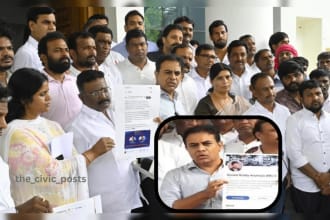
“Government Speeds Up Polavaram Aid Distribution in Latest Phase”
dg
Kranthi Shekar - MAR 20, 2026

Third Phase Marks Continued Support for Displaced Families
The Polavaram Project is moving ahead not just as a major development initiative but also as a large rehabilitation programme. With the rollout of the third phase of compensation, authorities have taken another step toward assisting families affected by displacement.
This phase highlights the ongoing effort to ensure that those impacted by the project receive timely financial support and are not left behind during the development process.
Direct Financial Aid Provides Immediate Relief
In the latest phase, compensation has been distributed to a large number of beneficiaries. The funds have been credited directly to their accounts, allowing families to manage immediate expenses and begin rebuilding their lives.
For many, this financial support serves as a crucial cushion after losing homes, farmland, and other sources of income due to the project.
Wider Reach and Inclusion
The third phase has expanded coverage to include more affected households. Officials have worked to identify pending beneficiaries and bring them into the compensation framework, ensuring a more inclusive approach.
By extending benefits to a larger group, the administration aims to reduce delays and address concerns raised by displaced communities.
Rehabilitation Beyond Monetary Help
Authorities are not limiting their efforts to financial aid alone. Several long-term rehabilitation measures are being implemented, such as:
Providing land for housing
Developing resettlement colonies with essential facilities
Offering assistance for constructing new homes
These initiatives are designed to help families rebuild stable lives rather than rely only on short-term compensation.
Development with Social Responsibility
While the Polavaram project promises significant benefits in irrigation and water management, it also brings challenges for those living in affected regions. Recognising this, the government is continuing compensation in phases to balance development with responsibility toward displaced communities.
What Lies Ahead
Even as progress is being made, authorities still face the task of reaching every eligible family and completing rehabilitation efforts efficiently. Future phases will play a key role in ensuring that all commitments are fulfilled and that affected people are properly settled.
Conclusion
The third phase of compensation under the Polavaram project represents steady progress in addressing the needs of displaced families. With continued focus on both financial aid and rehabilitation, the initiative aims to create a more secure and stable future for those impacted.