News

India-US Historic Trade Deal Sparks Global Buzz: What the “Zero Tariff” Talk Really Means

Kranthi Shekar - FEB 17, 2026
Share:
India-US Historic Trade Deal Sparks Global Buzz: What the “Zero Tariff” Talk Really Means

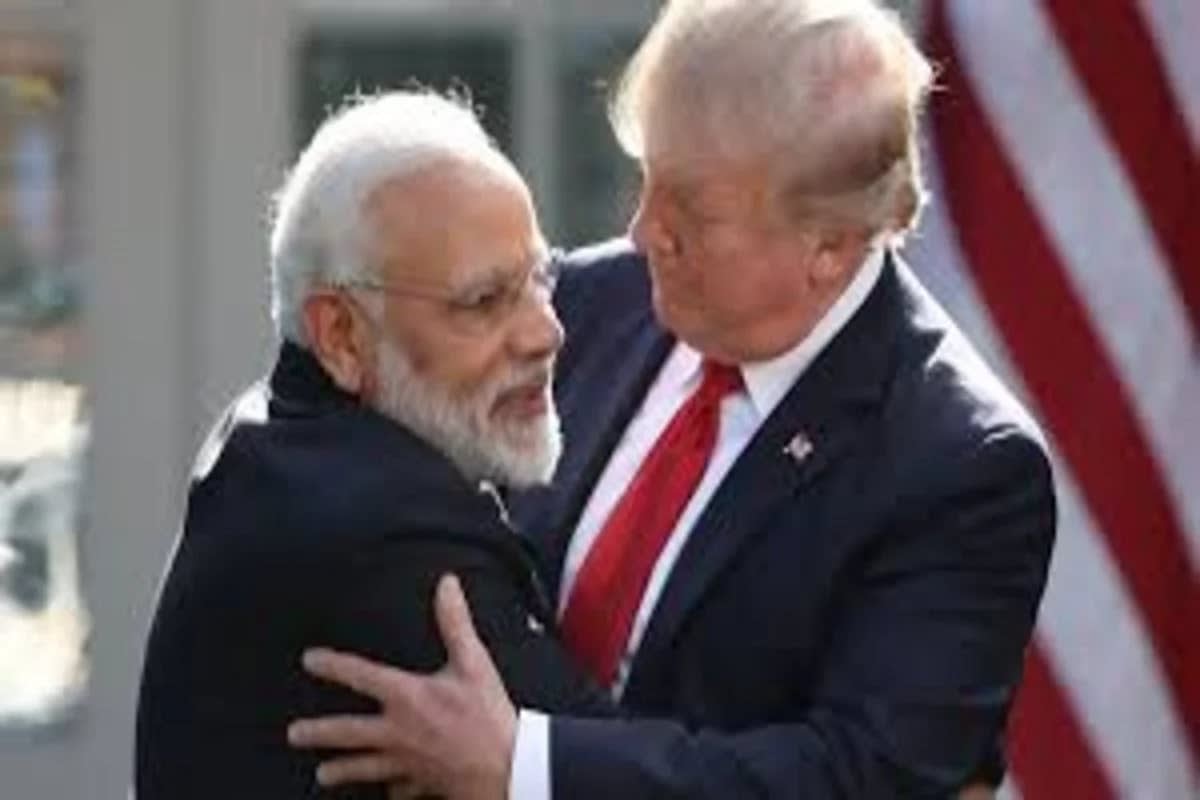
The India-US trade relationship has once again become a major global talking point after reports surfaced about a new “historic” trade deal between the two countries. The agreement is being projected as a breakthrough that could redefine the economic partnership between the world’s largest democracy and the world’s biggest economy. What made the deal even more sensational was former US President Donald Trump’s bold “zero tariff” claim, which instantly triggered political debates, media discussions, and strong interest among business communities.

But beyond the headlines, this agreement is not just about one dramatic statement. It is about the shifting dynamics of global trade, the changing priorities of two major nations, and the long-term goal of strengthening business cooperation. Whether the “zero tariff” claim is fully accurate or not, the fact remains that India and the US appear ready to take their economic ties into a new and stronger phase.

A Deal That Signals a Bigger Partnership

India and the United States have been strengthening ties for years, not only in trade but also in defense, technology, and strategic cooperation. However, trade relations have often witnessed friction due to tariff disputes, policy disagreements, and market access challenges. Both sides have repeatedly complained about unfair duties, restrictions, and complicated regulations.

This new deal is being seen as an attempt to move away from trade tensions and towards a more cooperative approach. It is designed to bring stability, encourage investments, and build trust between the two nations. For India, it offers the possibility of gaining better access to one of the world’s largest consumer markets. For the US, it opens new opportunities in a rapidly growing Indian economy.

Why Trump’s “Zero Tariff” Claim Created a Stir

Trump’s statement about “zero tariffs” instantly grabbed attention because it sounds like a revolutionary promise. But in practical trade terms, such a claim usually does not mean that every product traded between the two nations becomes duty-free immediately.

Trade agreements generally work in phases. Tariffs are reduced gradually, and exemptions are given only to certain product categories. Sensitive sectors such as agriculture, automobiles, and some industrial goods are often protected because governments do not want domestic industries to suffer.

So, the “zero tariff” narrative may be partly political messaging and partly a reflection of certain product categories where tariffs may be reduced significantly or removed completely. Still, even partial tariff elimination can be a major benefit if it targets key industries.

Big Advantage for Indian Exporters

One of the most important takeaways from this trade deal is the potential boost it can provide to Indian exports. Indian industries have long been looking for easier access to the US market, especially in sectors where India has strong manufacturing and production capabilities.

Industries such as textiles, garments, leather goods, jewellery, pharmaceuticals, and engineering products could benefit if the US reduces import duties. Even a small reduction in tariffs can create a major competitive advantage, because lower duties mean products become cheaper for American consumers, increasing demand.

For Indian exporters, the US is already a crucial destination. If this deal lowers trade barriers further, it could open the door for faster growth in exports and create more opportunities for Indian companies to expand their global footprint.

A Potential Boost for Agriculture and Food Exports

Another area that could benefit India is the agricultural and processed food sector. Indian spices, tea, coffee, and organic products have strong demand in global markets, especially among Indian-origin communities and health-conscious consumers.

If the trade deal includes reduced tariffs or smoother import procedures for such products, India’s farming and food-processing industries could see an export boom. This could also strengthen rural income opportunities and encourage farmers to expand production for export markets.

However, agriculture is also one of the most sensitive sectors in any trade negotiation, and India will likely remain cautious to ensure domestic farmers are not affected by increased imports.

India May Reduce Tariffs on Select US Products

A trade agreement works on reciprocity. If India benefits from reduced tariffs in the US market, it is expected to provide similar advantages to American goods entering India.

This could mean lower import duties for certain US products, possibly including technology equipment, industrial machinery, electronics, medical devices, and some agricultural products. For India, reducing tariffs on such goods can help industries by making advanced technology and high-quality equipment more affordable.

At the same time, India will likely ensure that tariff cuts do not harm local manufacturers. The government may selectively reduce duties only in areas where Indian industry needs imports to support growth.

More Opportunities for US Companies in India

The Indian market has become extremely attractive for global companies due to its huge consumer base, expanding middle class, and rapid economic growth. American companies have already made strong investments in India across sectors like IT, retail, defense, and manufacturing.

This trade deal could encourage more US companies to invest in India, expand operations, and strengthen supply chain partnerships. If regulatory hurdles are reduced and business procedures are simplified, India could become a stronger hub for American firms looking to diversify their manufacturing and service bases.

Energy Trade Could Be a Major Game Changer

One major component expected in the agreement is energy cooperation. India is one of the world’s largest energy importers, and the US has become a major global supplier of energy resources.

This deal could strengthen India’s energy security by increasing imports of US energy products such as natural gas and other fuels. It may also encourage collaboration in clean energy projects, renewable technology, and future-ready energy solutions.

Energy trade is not only about business; it is also strategic. Stronger energy ties reduce dependency on uncertain regions and strengthen the India-US partnership.

The Deal Goes Beyond Tariffs

Modern trade agreements are no longer limited to import-export taxes. Businesses often struggle more with non-tariff barriers such as complicated documentation, strict product standards, certification issues, and long customs delays.

This deal is expected to focus on improving these aspects by streamlining trade processes. If India and the US agree on easier compliance systems, faster clearances, and smoother regulatory coordination, trade between the two nations can grow rapidly.

This is especially important for sectors like pharmaceuticals, electronics, and medical devices, where regulatory approvals play a major role.

A Strong Global Signal at the Right Time

This agreement is also being seen as a global statement. At a time when many nations are adopting protectionist trade policies and global markets are facing uncertainty, a strong trade deal between India and the US sends a message of cooperation.

It indicates that both countries want to strengthen supply chains, reduce dependency on unstable trade partners, and promote economic stability. In global politics, trade agreements often carry more significance than just financial numbers-they reflect trust and long-term alignment.

Impact on Indian Economy and Employment

If exports rise due to this agreement, Indian industries could benefit significantly. Higher exports often lead to increased production, more manufacturing activity, and job creation. Sectors like textiles and leather are labour-intensive, meaning they create large employment opportunities.

At the same time, if US products become cheaper in India due to reduced tariffs, Indian consumers could benefit through better access to high-quality imported goods. But this could also create competition for domestic producers, making it important for India to manage the deal carefully.

The Real Challenge: Implementation

While the deal is being called historic, the real impact will depend on how quickly and effectively it is implemented. Trade agreements often look impressive in announcements, but results only appear when policies are applied on the ground.

Both governments will need to ensure transparency, clarity, and consistency in execution. Businesses and exporters will watch closely whether tariff reductions actually happen as promised, and whether trade barriers truly reduce over time.

Conclusion

The India-US trade deal is clearly a significant development that could reshape the future of bilateral economic ties. Trump’s “zero tariff” claim may have created excitement, but the bigger picture is about expanding trade, improving market access, and strengthening strategic cooperation.

If this deal succeeds in reducing tariffs, boosting exports, and encouraging investments, it could become a turning point in India-US relations. More importantly, it could establish a stronger economic foundation between the two nations, creating long-term benefits for businesses, industries, and consumers on both sides.

This agreement is not just another trade announcement-it is a sign that India and the US are preparing for a future where economic partnership will play a major role in global power and prosperity.

More Articles

Recent Articles

Shift to PNG Gains Momentum: LPG Supply May Stop Where Pipeline Gas Exists

Shift to PNG Gains Momentum: LPG Supply May Stop Where Pipeline Gas Exists

Kranthi Shekar - MAR 26, 2026

From Sacrifice to Inspiration: Narayana Speaks on Potti Sriramulu’s Legacy

From Sacrifice to Inspiration: Narayana Speaks on Potti Sriramulu’s Legacy

Kranthi Shekar - MAR 26, 2026

Hyderabad Traffic Diversions Announced for Sri Rama Navami Procession

Hyderabad Traffic Diversions Announced for Sri Rama Navami Procession

Kranthi Shekar - MAR 26, 2026

₹1000 Crore Rampage: Dhurandhar 2 Targets Pushpa 2: The Rule After Historic First Week

₹1000 Crore Rampage: Dhurandhar 2 Targets Pushpa 2: The Rule After Historic First Week

Kranthi Shekar - MAR 26, 2026

Can Ustaad Bhagat Singh Cross ₹100 Crore This Weekend? Box Office Race Gets Intense

Can Ustaad Bhagat Singh Cross ₹100 Crore This Weekend? Box Office Race Gets Intense

Kranthi Shekar - MAR 26, 2026

Fuel Scare in Hyderabad: Panic Buying Leaves Several Petrol Pumps Running Low

Fuel Scare in Hyderabad: Panic Buying Leaves Several Petrol Pumps Running Low

Kranthi Shekar - MAR 26, 2026

A Bitter Victory—South Africa Claims the Decider in a Series Defined by Scheduling Chaos

A Bitter Victory—South Africa Claims the Decider in a Series Defined by Scheduling Chaos

Kranthi Vegesna - MAR 26, 2026

The Multi-Billion Dollar Changing of the Guard: IPL’s New Ownership Era

The Multi-Billion Dollar Changing of the Guard: IPL’s New Ownership Era

Kranthi Vegesna - MAR 26, 2026

Miami Open 2026: Sinner Rewrites the Record Books as the Draw Opens Wide

Miami Open 2026: Sinner Rewrites the Record Books as the Draw Opens Wide

Kranthi Vegesna - MAR 26, 2026

The Fracturing of Peace-The Alarming Normalization of Hate Speech in India

The Fracturing of Peace-The Alarming Normalization of Hate Speech in India

Kranthi Vegesna - MAR 26, 2026

Self-Governance for Dalit Colonies and Lambada Tandas: Decentralization is the Sustainable Solution

Self-Governance for Dalit Colonies and Lambada Tandas: Decentralization is the Sustainable Solution

Kranthi Vegesna - MAR 26, 2026

“India Lockdown Again?” Viral Rumours Spark Panic After PM Modi Speech - Here’s What’s Really Happening

“India Lockdown Again?” Viral Rumours Spark Panic After PM Modi Speech - Here’s What’s Really Happening

Kranthi Shekar - MAR 25, 2026

$350M Crude Deal: Reliance Capitalizes on Temporary US Sanctions Waiver

$350M Crude Deal: Reliance Capitalizes on Temporary US Sanctions Waiver

Kranthi Shekar - MAR 25, 2026

Strength Training: Why India Needs to Re-think Fitness

Strength Training: Why India Needs to Re-think Fitness

Jennifer - MAR 25, 2026

In India, mango isn’t just a fruit-it’s the king of fruits.

In India, mango isn’t just a fruit-it’s the king of fruits.

Prakash Ranganathan - MAR 24, 2026

India Rising Fast, But Global Competition Intensifies: Key Takeaway from Bihar Sports Conclave

India Rising Fast, But Global Competition Intensifies: Key Takeaway from Bihar Sports Conclave

Kranthi Shekar - MAR 24, 2026

Telangana Cabinet Clears Key Bills to Tackle Hate Speech and Strengthen Family Responsibility

Telangana Cabinet Clears Key Bills to Tackle Hate Speech and Strengthen Family Responsibility

Kranthi Shekar - MAR 24, 2026

Iran Launches Missile Strikes on Israel, Rejects Trump’s Negotiation Claims

Iran Launches Missile Strikes on Israel, Rejects Trump’s Negotiation Claims

Kranthi Shekar - MAR 24, 2026

Andhra Pradesh Sets Stage for Industrial Boom with ₹1.36 Lakh Crore Steel Giant

Andhra Pradesh Sets Stage for Industrial Boom with ₹1.36 Lakh Crore Steel Giant

Kranthi Shekar - MAR 24, 2026

The Silent Chimes of the Nandi-Is the Golden Era of Telugu Cinema Awards Fading?

The Silent Chimes of the Nandi-Is the Golden Era of Telugu Cinema Awards Fading?

Kranthi Shekar - MAR 24, 2026

News

India-US Historic Trade Deal Sparks Global Buzz: What the “Zero Tariff” Talk Really Means

Kranthi Shekar - FEB 17, 2026

Share:
India-US Historic Trade Deal Sparks Global Buzz: What the “Zero Tariff” Talk Really Means

The India-US trade relationship has once again become a major global talking point after reports surfaced about a new “historic” trade deal between the two countries. The agreement is being projected as a breakthrough that could redefine the economic partnership between the world’s largest democracy and the world’s biggest economy. What made the deal even more sensational was former US President Donald Trump’s bold “zero tariff” claim, which instantly triggered political debates, media discussions, and strong interest among business communities.

But beyond the headlines, this agreement is not just about one dramatic statement. It is about the shifting dynamics of global trade, the changing priorities of two major nations, and the long-term goal of strengthening business cooperation. Whether the “zero tariff” claim is fully accurate or not, the fact remains that India and the US appear ready to take their economic ties into a new and stronger phase.

A Deal That Signals a Bigger Partnership

India and the United States have been strengthening ties for years, not only in trade but also in defense, technology, and strategic cooperation. However, trade relations have often witnessed friction due to tariff disputes, policy disagreements, and market access challenges. Both sides have repeatedly complained about unfair duties, restrictions, and complicated regulations.

This new deal is being seen as an attempt to move away from trade tensions and towards a more cooperative approach. It is designed to bring stability, encourage investments, and build trust between the two nations. For India, it offers the possibility of gaining better access to one of the world’s largest consumer markets. For the US, it opens new opportunities in a rapidly growing Indian economy.

Why Trump’s “Zero Tariff” Claim Created a Stir

Trump’s statement about “zero tariffs” instantly grabbed attention because it sounds like a revolutionary promise. But in practical trade terms, such a claim usually does not mean that every product traded between the two nations becomes duty-free immediately.

Trade agreements generally work in phases. Tariffs are reduced gradually, and exemptions are given only to certain product categories. Sensitive sectors such as agriculture, automobiles, and some industrial goods are often protected because governments do not want domestic industries to suffer.

So, the “zero tariff” narrative may be partly political messaging and partly a reflection of certain product categories where tariffs may be reduced significantly or removed completely. Still, even partial tariff elimination can be a major benefit if it targets key industries.

Big Advantage for Indian Exporters

One of the most important takeaways from this trade deal is the potential boost it can provide to Indian exports. Indian industries have long been looking for easier access to the US market, especially in sectors where India has strong manufacturing and production capabilities.

Industries such as textiles, garments, leather goods, jewellery, pharmaceuticals, and engineering products could benefit if the US reduces import duties. Even a small reduction in tariffs can create a major competitive advantage, because lower duties mean products become cheaper for American consumers, increasing demand.

For Indian exporters, the US is already a crucial destination. If this deal lowers trade barriers further, it could open the door for faster growth in exports and create more opportunities for Indian companies to expand their global footprint.

A Potential Boost for Agriculture and Food Exports

Another area that could benefit India is the agricultural and processed food sector. Indian spices, tea, coffee, and organic products have strong demand in global markets, especially among Indian-origin communities and health-conscious consumers.

If the trade deal includes reduced tariffs or smoother import procedures for such products, India’s farming and food-processing industries could see an export boom. This could also strengthen rural income opportunities and encourage farmers to expand production for export markets.

However, agriculture is also one of the most sensitive sectors in any trade negotiation, and India will likely remain cautious to ensure domestic farmers are not affected by increased imports.

India May Reduce Tariffs on Select US Products

A trade agreement works on reciprocity. If India benefits from reduced tariffs in the US market, it is expected to provide similar advantages to American goods entering India.

This could mean lower import duties for certain US products, possibly including technology equipment, industrial machinery, electronics, medical devices, and some agricultural products. For India, reducing tariffs on such goods can help industries by making advanced technology and high-quality equipment more affordable.

At the same time, India will likely ensure that tariff cuts do not harm local manufacturers. The government may selectively reduce duties only in areas where Indian industry needs imports to support growth.

More Opportunities for US Companies in India

The Indian market has become extremely attractive for global companies due to its huge consumer base, expanding middle class, and rapid economic growth. American companies have already made strong investments in India across sectors like IT, retail, defense, and manufacturing.

This trade deal could encourage more US companies to invest in India, expand operations, and strengthen supply chain partnerships. If regulatory hurdles are reduced and business procedures are simplified, India could become a stronger hub for American firms looking to diversify their manufacturing and service bases.

Energy Trade Could Be a Major Game Changer

One major component expected in the agreement is energy cooperation. India is one of the world’s largest energy importers, and the US has become a major global supplier of energy resources.

This deal could strengthen India’s energy security by increasing imports of US energy products such as natural gas and other fuels. It may also encourage collaboration in clean energy projects, renewable technology, and future-ready energy solutions.

Energy trade is not only about business; it is also strategic. Stronger energy ties reduce dependency on uncertain regions and strengthen the India-US partnership.

The Deal Goes Beyond Tariffs

Modern trade agreements are no longer limited to import-export taxes. Businesses often struggle more with non-tariff barriers such as complicated documentation, strict product standards, certification issues, and long customs delays.

This deal is expected to focus on improving these aspects by streamlining trade processes. If India and the US agree on easier compliance systems, faster clearances, and smoother regulatory coordination, trade between the two nations can grow rapidly.

This is especially important for sectors like pharmaceuticals, electronics, and medical devices, where regulatory approvals play a major role.

A Strong Global Signal at the Right Time

This agreement is also being seen as a global statement. At a time when many nations are adopting protectionist trade policies and global markets are facing uncertainty, a strong trade deal between India and the US sends a message of cooperation.

It indicates that both countries want to strengthen supply chains, reduce dependency on unstable trade partners, and promote economic stability. In global politics, trade agreements often carry more significance than just financial numbers-they reflect trust and long-term alignment.

Impact on Indian Economy and Employment

If exports rise due to this agreement, Indian industries could benefit significantly. Higher exports often lead to increased production, more manufacturing activity, and job creation. Sectors like textiles and leather are labour-intensive, meaning they create large employment opportunities.

At the same time, if US products become cheaper in India due to reduced tariffs, Indian consumers could benefit through better access to high-quality imported goods. But this could also create competition for domestic producers, making it important for India to manage the deal carefully.

The Real Challenge: Implementation

While the deal is being called historic, the real impact will depend on how quickly and effectively it is implemented. Trade agreements often look impressive in announcements, but results only appear when policies are applied on the ground.

Both governments will need to ensure transparency, clarity, and consistency in execution. Businesses and exporters will watch closely whether tariff reductions actually happen as promised, and whether trade barriers truly reduce over time.

Conclusion

The India-US trade deal is clearly a significant development that could reshape the future of bilateral economic ties. Trump’s “zero tariff” claim may have created excitement, but the bigger picture is about expanding trade, improving market access, and strengthening strategic cooperation.

If this deal succeeds in reducing tariffs, boosting exports, and encouraging investments, it could become a turning point in India-US relations. More importantly, it could establish a stronger economic foundation between the two nations, creating long-term benefits for businesses, industries, and consumers on both sides.

This agreement is not just another trade announcement-it is a sign that India and the US are preparing for a future where economic partnership will play a major role in global power and prosperity.

More Articles

Recent Articles

Shift to PNG Gains Momentum: LPG Supply May Stop Where Pipeline Gas Exists

Shift to PNG Gains Momentum: LPG Supply May Stop Where Pipeline Gas Exists

Kranthi Shekar - MAR 26, 2026

From Sacrifice to Inspiration: Narayana Speaks on Potti Sriramulu’s Legacy

From Sacrifice to Inspiration: Narayana Speaks on Potti Sriramulu’s Legacy

Kranthi Shekar - MAR 26, 2026

Hyderabad Traffic Diversions Announced for Sri Rama Navami Procession

Hyderabad Traffic Diversions Announced for Sri Rama Navami Procession

Kranthi Shekar - MAR 26, 2026

₹1000 Crore Rampage: Dhurandhar 2 Targets Pushpa 2: The Rule After Historic First Week

₹1000 Crore Rampage: Dhurandhar 2 Targets Pushpa 2: The Rule After Historic First Week

Kranthi Shekar - MAR 26, 2026

Can Ustaad Bhagat Singh Cross ₹100 Crore This Weekend? Box Office Race Gets Intense

Can Ustaad Bhagat Singh Cross ₹100 Crore This Weekend? Box Office Race Gets Intense

Kranthi Shekar - MAR 26, 2026

Fuel Scare in Hyderabad: Panic Buying Leaves Several Petrol Pumps Running Low

Fuel Scare in Hyderabad: Panic Buying Leaves Several Petrol Pumps Running Low

Kranthi Shekar - MAR 26, 2026

A Bitter Victory—South Africa Claims the Decider in a Series Defined by Scheduling Chaos

A Bitter Victory—South Africa Claims the Decider in a Series Defined by Scheduling Chaos

Kranthi Vegesna - MAR 26, 2026

The Multi-Billion Dollar Changing of the Guard: IPL’s New Ownership Era

The Multi-Billion Dollar Changing of the Guard: IPL’s New Ownership Era

Kranthi Vegesna - MAR 26, 2026

Miami Open 2026: Sinner Rewrites the Record Books as the Draw Opens Wide

Miami Open 2026: Sinner Rewrites the Record Books as the Draw Opens Wide

Kranthi Vegesna - MAR 26, 2026

The Fracturing of Peace-The Alarming Normalization of Hate Speech in India

The Fracturing of Peace-The Alarming Normalization of Hate Speech in India

Kranthi Vegesna - MAR 26, 2026

Self-Governance for Dalit Colonies and Lambada Tandas: Decentralization is the Sustainable Solution

Self-Governance for Dalit Colonies and Lambada Tandas: Decentralization is the Sustainable Solution

Kranthi Vegesna - MAR 26, 2026

“India Lockdown Again?” Viral Rumours Spark Panic After PM Modi Speech - Here’s What’s Really Happening

“India Lockdown Again?” Viral Rumours Spark Panic After PM Modi Speech - Here’s What’s Really Happening

Kranthi Shekar - MAR 25, 2026

$350M Crude Deal: Reliance Capitalizes on Temporary US Sanctions Waiver

$350M Crude Deal: Reliance Capitalizes on Temporary US Sanctions Waiver

Kranthi Shekar - MAR 25, 2026

Strength Training: Why India Needs to Re-think Fitness

Strength Training: Why India Needs to Re-think Fitness

Jennifer - MAR 25, 2026

In India, mango isn’t just a fruit-it’s the king of fruits.

In India, mango isn’t just a fruit-it’s the king of fruits.

Prakash Ranganathan - MAR 24, 2026

India Rising Fast, But Global Competition Intensifies: Key Takeaway from Bihar Sports Conclave

India Rising Fast, But Global Competition Intensifies: Key Takeaway from Bihar Sports Conclave

Kranthi Shekar - MAR 24, 2026

Telangana Cabinet Clears Key Bills to Tackle Hate Speech and Strengthen Family Responsibility

Telangana Cabinet Clears Key Bills to Tackle Hate Speech and Strengthen Family Responsibility

Kranthi Shekar - MAR 24, 2026

Iran Launches Missile Strikes on Israel, Rejects Trump’s Negotiation Claims

Iran Launches Missile Strikes on Israel, Rejects Trump’s Negotiation Claims

Kranthi Shekar - MAR 24, 2026

Andhra Pradesh Sets Stage for Industrial Boom with ₹1.36 Lakh Crore Steel Giant

Andhra Pradesh Sets Stage for Industrial Boom with ₹1.36 Lakh Crore Steel Giant

Kranthi Shekar - MAR 24, 2026

The Silent Chimes of the Nandi-Is the Golden Era of Telugu Cinema Awards Fading?

The Silent Chimes of the Nandi-Is the Golden Era of Telugu Cinema Awards Fading?

Kranthi Shekar - MAR 24, 2026