Leaders and Celebrities Unite to Honor Nadendla Bhaskara Rao’s Legacy
Kranthi Shekar - APR 23, 2026

The passing of Nadendla Bhaskara Rao has brought together political leaders, film personalities, and admirers in a rare moment of shared grief and reflection. His death signifies not just the loss of an experienced politician, but the closing of a chapter that played a role in shaping the political identity of Andhra Pradesh.
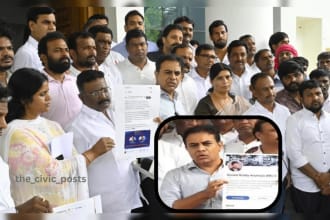
In the hours following the announcement of his demise, his residence turned into a gathering place for those wishing to pay their last respects. The mood was deeply somber, as visitors arrived quietly, offering condolences to the family and remembering the contributions of a man whose public life spanned several decades. The steady flow of mourners reflected the wide network of relationships he had built over the years.
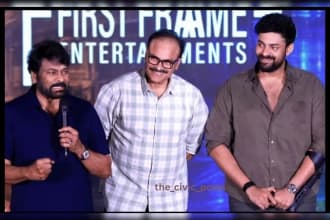
Members of the Telugu film industry were among those who came forward to honor him. Actor Chiranjeevi visited to pay tribute, standing in silence before offering his respects. Accompanying him was prominent producer Allu Aravind, who also expressed his condolences. Their presence highlighted the connection Bhaskara Rao maintained with figures beyond the political arena, demonstrating his influence across different spheres of society.
Leaders from various political parties also gathered to bid farewell. Union Minister G. Kishan Reddy paid homage and acknowledged the late leader’s role in public service. Senior politician Mallu Bhatti Vikramarka was among others who visited, showing that respect for Bhaskara Rao went beyond political affiliations. The gathering of leaders from diverse parties created a rare sense of unity, with everyone setting aside differences to honor his memory.
The final rites were conducted with full state honors, underlining the importance of his position as a former Chief Minister. The ceremony was both traditional and official, combining rituals with formal recognition of his contributions. A sense of dignity surrounded the proceedings, as family members, supporters, and officials came together to bid a final goodbye.
Bhaskara Rao’s political journey was marked by significant moments that continue to be discussed even today. He briefly served as Chief Minister during a politically sensitive period in 1984, a time that witnessed dramatic developments in the state’s leadership. Although his tenure was short, it left a lasting impression and remains a key point in Andhra Pradesh’s political history. His career, however, extended far beyond that phase, as he continued to be involved in public life through various roles.
Over the years, he served as a legislator and also held responsibilities at the national level. His long association with politics reflected his commitment to governance and public affairs. While his career included achievements that earned appreciation, it also involved decisions that sparked debate. This mix of recognition and criticism made him a complex figure, one whose legacy continues to invite discussion and interpretation.
At the heart of the mourning was his family, especially his son Nadendla Manohar, who received visitors and condolences throughout the day. Many who came not only paid tribute to the late leader but also offered words of comfort and support to the grieving family. The emotional weight of the moment was evident, as people shared memories and expressed their sorrow.
The gathering of such a diverse group of individuals-ranging from politicians to film personalities-spoke volumes about the kind of relationships Bhaskara Rao had nurtured during his lifetime. It is not often that figures from different fields come together in such numbers, and this in itself reflected the respect he commanded.
As the final rites concluded, they marked the end of a life deeply connected with the political evolution of Andhra Pradesh. His journey through the highs and lows of public life serves as a reminder of the complexities of leadership and governance. For some, he will be remembered for his administrative experience and political courage; for others, his tenure will remain a topic of debate. Yet, regardless of perspective, his presence in the state’s history is undeniable.
In the end, the farewell he received was not just about mourning his loss, but also about acknowledging his role in shaping a period of political change. The silence that followed the ceremonies carried with it a sense of closure, respect, and reflection on a life that had left a lasting imprint on many.