LPG Supply Worries Grow in India as Global Uncertainty Affects Energy Shipments
wait
Kranthi Shekar - MAR 16, 2026
Introduction
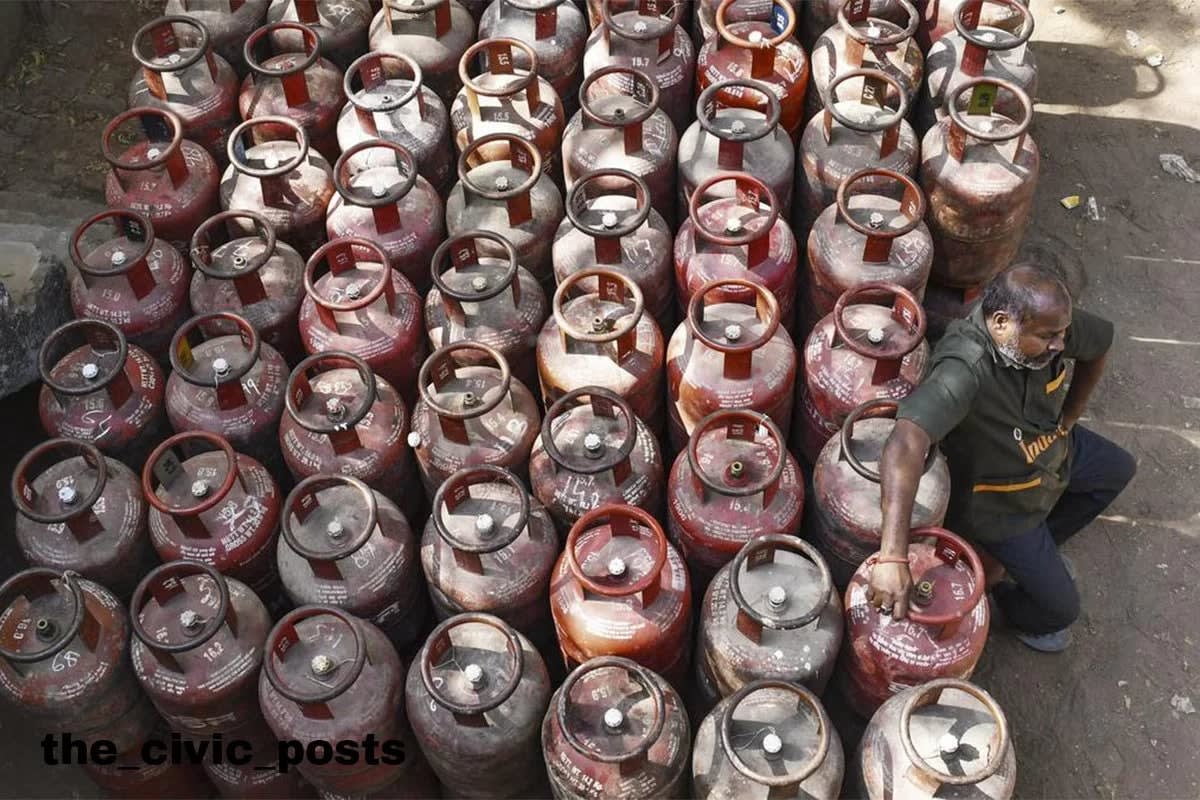
Concerns about the availability of liquefied petroleum gas (LPG) have begun to surface in several Indian cities after reports of delays in cylinder deliveries. LPG is one of the most widely used cooking fuels in India, and millions of households depend on it daily. Any disruption in its supply immediately becomes a matter of public concern because it affects routine domestic activities such as cooking.
The latest worries appear to be linked to disturbances in global energy supply chains. Rising geopolitical tensions in parts of the world have started to affect the movement of oil and gas shipments across major international routes. Since India imports a significant portion of its LPG requirements from overseas suppliers, global developments can directly influence the country’s domestic supply situation.
Even though officials have stated that there is no nationwide shortage, the situation has drawn attention to how closely India’s energy supply is connected to international markets.
Dependence on Global Energy Imports
India is among the largest consumers of LPG in the world. Over the past decade, the use of LPG cylinders has expanded rapidly as government programs encouraged households to shift from traditional fuels like firewood and coal to cleaner cooking options.
However, a major share of LPG consumed in the country comes from imports. Tankers carrying liquefied gas arrive at Indian ports from energy-producing nations, mainly in the Gulf region. From these ports, the gas is transported to storage facilities and then distributed to consumers through a large network of dealers and delivery services.
Because of this reliance on imported energy, any disruption in international trade routes or shipping schedules can influence domestic supply conditions. Even minor delays in tanker arrivals may create temporary pressure on the distribution system.
Global Conflicts and Shipping Challenges
International shipping routes used for transporting oil and gas pass through regions that are currently experiencing geopolitical tensions. When conflicts intensify in such areas, shipping companies may take additional precautions, including altering routes, slowing vessel movements, or temporarily suspending operations for safety reasons.
These changes can delay deliveries and increase transportation costs. For countries that depend heavily on imports, such delays can lead to uncertainty in fuel supply.
Energy markets are highly sensitive to global political developments. When tensions escalate, traders and suppliers often respond quickly, which can influence both availability and pricing of fuels such as LPG.
Rising Consumer Demand
Another factor contributing to the present concerns is the sudden increase in LPG bookings by consumers. News reports about potential shortages often trigger anxiety among the public, prompting households to book refills earlier than they normally would.
When many consumers place orders at the same time, distributors may struggle to keep up with the surge in demand. This can result in delivery delays, even if there is enough stock available at storage depots.
Authorities have repeatedly urged consumers not to panic or attempt to store additional cylinders unnecessarily. Maintaining normal consumption patterns allows the supply system to function smoothly and prevents artificial shortages from developing.
Effects on Household Routines
For most families in urban and semi-urban areas, LPG cylinders are the primary cooking fuel. They are used multiple times a day to prepare meals, boil water, and carry out other kitchen activities.
When refills are delayed, households may need to adjust their cooking schedules or rely on backup cooking methods. Some families maintain an extra cylinder as a precaution, but not every household has the resources or space to store additional cylinders.
Despite occasional delays, authorities have assured citizens that the supply network continues to function and that deliveries are expected to normalize once the current pressure on the system eases.
Challenges for the Food Industry
Restaurants, hotels, catering businesses, and street vendors are also highly dependent on LPG. Commercial gas cylinders are widely used in kitchens because they provide a reliable and efficient source of heat for cooking large quantities of food.
In some cities, restaurant owners have reported difficulties in obtaining timely replacements for empty cylinders. While most establishments have managed to continue operating, delays in fuel supply can slow down kitchen operations and reduce the number of meals that can be prepared.
Street food vendors and small eateries face greater difficulties because they usually operate with limited resources and cannot store large reserves of fuel. Any interruption in supply can disrupt their daily business activities.
Government Monitoring and Preventive Measures
Government authorities and energy companies have stepped up monitoring efforts to ensure that LPG supplies remain stable. Distribution networks have been instructed to maintain a steady flow of cylinders and avoid disruptions in deliveries.
Inspection teams are also checking storage facilities and distribution centers to prevent hoarding and illegal resale of LPG cylinders. During times of uncertainty, there is a risk that some individuals may attempt to store large quantities and sell them at higher prices.
To prevent such practices, officials are conducting regular inspections and have warned that strict action will be taken against anyone found violating supply regulations.
Energy companies are also coordinating with suppliers and shipping agencies to ensure that import shipments continue without major interruption.
Economic and Social Implications
Cooking gas plays an essential role in the daily lives of millions of people. Any disruption in supply can affect not only households but also businesses that rely on LPG for their operations.
If supply delays persist for an extended period, restaurants and food vendors may experience increased operational costs. In some cases, these costs could be passed on to consumers in the form of higher food prices.
Industries that use LPG in manufacturing or processing activities could also face challenges if supplies become inconsistent. However, experts believe the current situation is temporary and manageable.
Need for Stronger Energy Security
The recent developments have renewed discussions about the importance of strengthening India’s energy security. Since the country depends on imported fuels, global conflicts and supply disruptions can influence domestic energy availability.
Energy experts often suggest that diversifying energy sources and investing in domestic production could help reduce vulnerability to global crises. Expanding renewable energy projects and improving storage infrastructure are also seen as important steps toward ensuring long-term stability.
Such measures would allow the country to better manage future disruptions and maintain steady supplies of essential fuels.
Future Outlook
Energy analysts believe that the current concerns surrounding LPG supply may gradually ease as global shipping routes stabilize and import shipments resume normal schedules. Temporary disruptions are not uncommon in the energy sector, especially during periods of geopolitical uncertainty.
Authorities remain confident that India’s existing reserves and distribution system are capable of handling the present situation. As demand stabilizes and supply chains adjust, delivery delays are expected to reduce.
Conclusion
The recent worries about LPG availability in India highlight the close relationship between global events and everyday life. International tensions, transportation challenges, and sudden increases in demand can all influence the supply of essential fuels used by millions of households.
While the situation has caused temporary concern, government agencies and energy companies are taking steps to maintain steady supplies across the country. With careful management and responsible consumer behavior, the current pressure on the system is expected to ease.
At the same time, the developments serve as a reminder of the importance of strengthening energy security so that global crises have a smaller impact on the daily lives of people in the future.