Telangana’s Next Big Growth Plan: 12 Logistics Parks to Transform Transport and Business Network
Kranthi Shekar - FEB 17, 2026
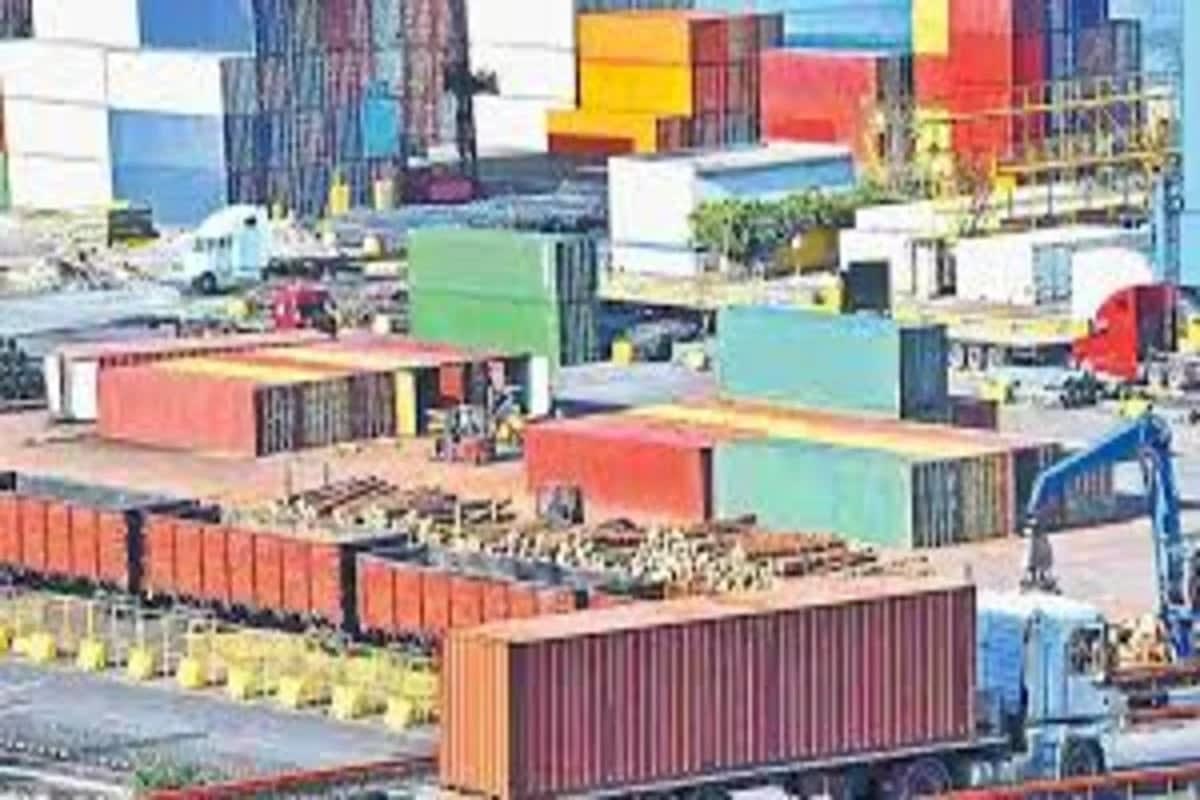
Telangana is preparing for a major upgrade in its infrastructure as the state government has announced plans to develop 12 new logistics parks across various regions. This initiative is expected to strengthen the transport system, improve the movement of goods, and support the growing needs of industries, traders, and agricultural markets.
With Telangana rapidly expanding as a business and industrial hub, the demand for an efficient logistics system has become more important than ever. From manufacturing companies to retail supply chains, every sector depends on quick and cost-effective transportation. Recognizing this need, the government is focusing on building modern logistics hubs that can handle storage, distribution, and freight operations in a smooth and organized way.
Logistics parks are not just simple storage spaces. They are large integrated centres designed to manage the complete flow of goods. These parks generally include advanced warehouses, truck parking terminals, container handling facilities, cold storage units, packaging areas, and transport service centres. Once these parks are established, businesses will be able to store and dispatch goods more efficiently without facing delays caused by scattered and unplanned logistics systems.
One of the biggest benefits of setting up logistics parks is the reduction in transportation cost. Many businesses today face high expenses because goods travel longer distances, get delayed in traffic, or require multiple handling points. Logistics parks reduce these issues by creating centralized hubs where goods can be stored closer to major markets and industrial zones. This helps companies save time, reduce fuel consumption, and improve delivery speed.
The proposed parks are likely to be built in strategically important locations with good connectivity to highways, industrial corridors, and major commercial centres. Telangana’s location gives it an added advantage because it connects several major states and trade routes. With better logistics infrastructure, the state can attract more investments and strengthen its position as a preferred destination for industries and distribution companies.
This plan is also expected to benefit small and medium businesses. Many smaller enterprises struggle with expensive warehousing options and inefficient supply chains. With logistics parks offering modern and affordable storage solutions, smaller companies can expand their market reach and compete better with larger players.
The agricultural sector may also gain significantly from this project. Farmers often face losses due to lack of cold storage and delayed transport of perishable products such as vegetables, fruits, and dairy items. If logistics parks include cold chain facilities, farm produce can be stored safely and transported faster to markets. This can reduce wastage and improve farmer income, especially in regions where agriculture is a major livelihood.
Apart from boosting trade and transport, the logistics parks are expected to create new employment opportunities. These hubs will require workers for warehouse operations, transportation management, loading and unloading, security, packaging, and maintenance. Over time, thousands of jobs could be generated directly and indirectly, supporting local economies and providing employment to youth.
Another important advantage is that logistics parks can help reduce traffic congestion in cities. Currently, heavy goods vehicles often enter urban areas for loading and unloading, leading to traffic jams and road damage. With logistics hubs developed outside major city limits, distribution can become more planned, reducing unnecessary movement of heavy vehicles within city areas.
Overall, Telangana’s plan to develop 12 logistics parks reflects a strong long-term vision. It is not just an infrastructure project, but a strategic investment that can strengthen the state’s economy, support industries, improve agricultural supply chains, and generate employment. If implemented effectively, this initiative could transform Telangana into one of the leading logistics and trade hubs in India, accelerating growth and creating new opportunities for businesses and citizens alike.