UAE Shelters 20,000 Stranded Flyers with Free Stay and Travel Aid Amid Regional Crisis
Kranthi Shekar - MAR 2, 2026
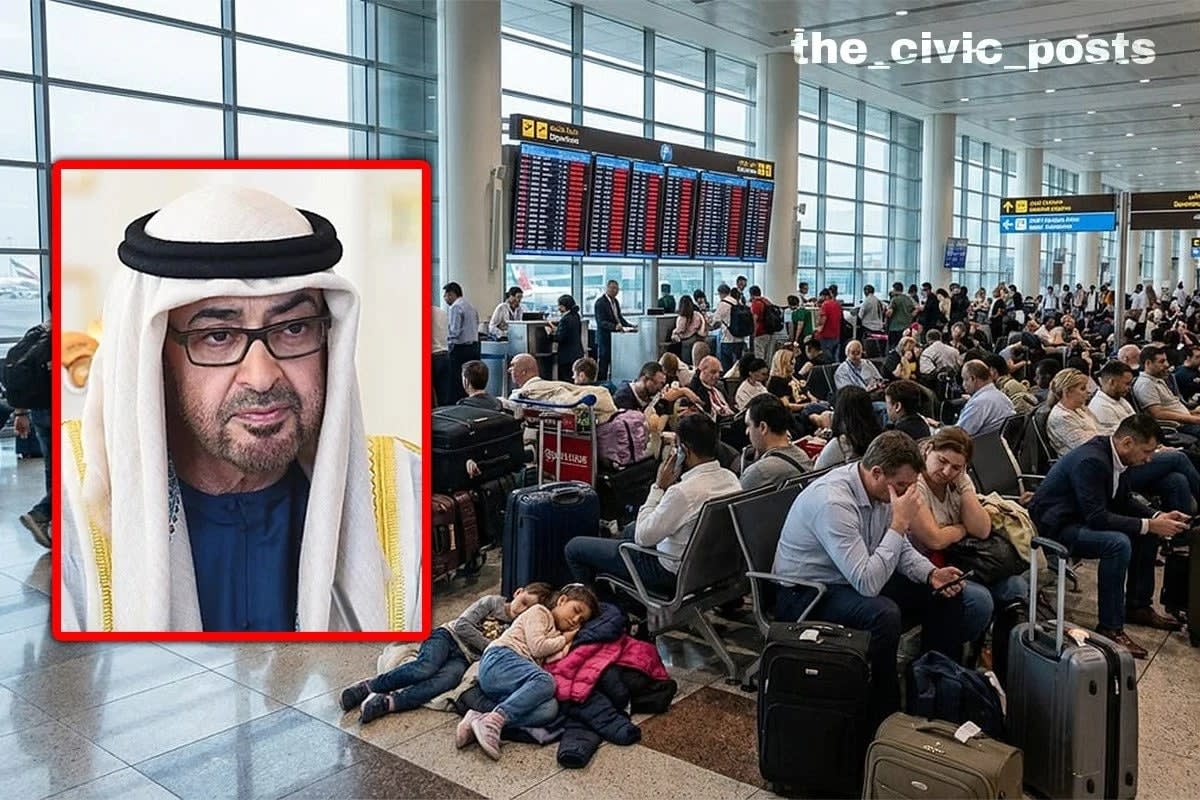
The recent escalation of tensions in West Asia has not only raised geopolitical concerns but also caused significant disruption to international air travel. As airlines suspended services and rerouted aircraft to avoid conflict-affected airspace, thousands of passengers found themselves unexpectedly stranded in transit hubs across the Gulf. In a decisive humanitarian response, the United Arab Emirates (UAE) stepped in to provide comprehensive support to those caught in the travel turmoil.
Approximately 20,000 travellers were impacted by sudden flight cancellations and delays linked to the conflict involving Iran and Israel. Many of them were transiting through major UAE airports, which serve as key gateways connecting Asia, Europe, Africa and North America. With limited flight options and uncertainty surrounding the reopening of certain air routes, the situation quickly became overwhelming for passengers.
Recognising the urgency of the crisis, the United Arab Emirates launched an extensive relief initiative to ensure that stranded travellers were not left to manage the disruption alone. Authorities coordinated closely with airlines, airport operators and hospitality providers to roll out immediate assistance measures.
Comprehensive Support Package
The UAE’s relief efforts went beyond routine airline compensation policies. Stranded passengers were provided with complimentary hotel accommodation, ensuring they had a safe and comfortable place to stay during the disruption. Meals were also arranged at no cost, covering daily food requirements for travellers awaiting further updates on their flights.
This approach removed the financial burden that often accompanies unexpected travel delays. For families, elderly passengers and those travelling long distances, the availability of organised accommodation and meals offered much-needed stability during a stressful period.
Free Alternative Flight Arrangements
In addition to covering lodging and food, authorities facilitated alternative travel plans for affected passengers. Many were rebooked on subsequent flights without additional charges. Those who preferred to return to their home countries were assisted with return arrangements once routes reopened or safe corridors were confirmed.
Airlines operating from UAE hubs worked in coordination with aviation authorities to restore services gradually while maintaining strict safety standards. Flight operations remained subject to ongoing security evaluations, but clearing stranded passengers was given high priority.
Aviation Industry Under Pressure
The conflict has underscored how sensitive global aviation networks are to geopolitical developments. Even limited airspace restrictions can cause ripple effects across continents. Since Gulf airports function as major transit points for international travel, disruptions in the region can impact passengers far beyond West Asia.
Airlines continuously monitor airspace safety advisories and international security updates. When risks rise, carriers often choose precautionary suspensions to protect passengers and crew. While such decisions prioritise safety, they can create logistical challenges for travellers and aviation operators alike.
Humanitarian Commitment in Times of Crisis
The UAE’s large-scale assistance initiative reflects a broader commitment to hospitality and crisis preparedness. Rather than leaving travellers to navigate unfamiliar surroundings and unexpected expenses, authorities ensured immediate care and structured support.
This coordinated response not only provided practical relief but also reinforced the country’s reputation as a dependable global travel hub. In times of instability, proactive governance and organised crisis management can significantly ease passenger anxiety.
Relief and Reassurance for Travellers
Many passengers expressed appreciation for the swift intervention. Having guaranteed accommodation and meals helped reduce uncertainty during what could have been a prolonged and distressing experience. For transit travellers unfamiliar with local systems, the structured support made a notable difference.
While the regional situation continues to evolve, aviation authorities and airlines remain focused on restoring normal operations as soon as conditions permit. Until then, safety assessments will guide scheduling decisions.
The UAE’s decision to absorb the costs of accommodation, meals and travel arrangements stands out as a meaningful humanitarian gesture during a period of regional instability. In a moment when thousands were left in limbo, coordinated action ensured that passengers were treated with care, dignity and reassurance - turning a challenging situation into a demonstration of solidarity and responsibility.