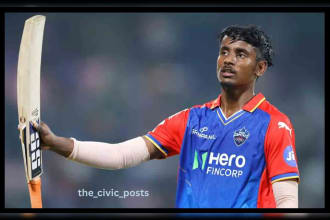
India’s Middle-Order Concerns Spark Fresh Debate Over Sanju Samson’s Possible Return
Kranthi Shekar - FEB 23, 2026

As India navigates the challenges of the 2026 ICC T20 World Cup, conversations around team selection and batting combinations have intensified. One name that continues to surface in these discussions is Sanju Samson. With the team striving to find the right balance in the middle order, many observers believe it may be time to reassess his role in India’s T20 setup.
India’s campaign has shown flashes of brilliance, but there have also been moments where the batting unit appeared short of acceleration during crucial phases. In the fast-paced T20 format, a single over can change the course of a match. When momentum slips, teams need players capable of shifting gears instantly. This is where Samson’s supporters feel he could make a difference.
Sanju Samson is known for his fearless strokeplay and natural timing. He has the ability to take on bowlers from the outset, dismantle spin attacks, and clear boundaries with apparent ease. His batting style is built around confidence and intent, two qualities that are invaluable in high-pressure tournaments. When set, he can dominate an innings and force the opposition to rethink their plans.
Another factor working in his favour is experience. Over the years, Samson has featured in high-intensity domestic and franchise competitions, gaining exposure to varied pitch conditions and diverse bowling attacks. Such experience can be vital in global tournaments where adaptability often determines success. Players who can adjust quickly to different match situations provide teams with tactical flexibility.
However, the debate is not one-sided. Critics often point to inconsistency at the international level as a concern. World Cup campaigns leave little room for experimentation, and team management usually prioritises reliability. Once combinations are established, making changes can disrupt rhythm and chemistry within the squad. Stability and clarity in roles are just as important as explosive talent.
Selectors must therefore weigh multiple factors — current form, fitness, fielding ability, and how a player fits into the broader strategy. It is not merely about adding an aggressive batter; it is about ensuring that the inclusion strengthens the overall structure of the side. A balanced T20 team requires power hitters, anchors, finishers, and disciplined bowlers working in harmony.
The conversation around Samson also reflects the larger challenge of Indian cricket: an abundance of talent competing for limited spots. Every selection decision invites scrutiny because expectations are high. Fans often champion flair and excitement, while team management focuses on consistency and execution under pressure.
As the tournament progresses, India’s performances will likely shape the direction of this debate. If the middle order finds stability and finishes games convincingly, the existing combination may continue. If struggles persist, calls to reintroduce a dynamic option like Samson could grow louder.
Ultimately, the question is not simply whether Samson is talented enough — few doubt his ability. The real issue is whether his inclusion aligns with the team’s tactical needs at this specific moment. In T20 cricket, timing is everything, both on the field and in selection decisions.
For now, the discussion remains open. What is certain is that Sanju Samson’s name will continue to be part of conversations whenever India searches for added spark and unpredictability in its batting lineup.