Vice-Captain at 15! The Story Behind Vaibhav Sooryavanshi's Rapid Rise
Editorial desk - JUL 31, 2026

The announcement of the East Zone squad for the prestigious Duleep Trophy first-class tournament stirred significant discussion across the Indian cricketing landscape, largely owing to a single, bold decision made by the selection committee.
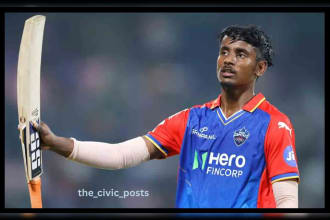
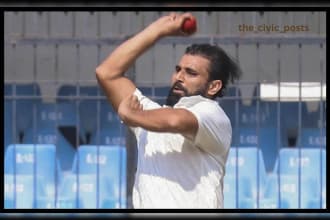
While the inclusion of established international figures like star fast bowler Mohammed Shami, dependable opening batter Abhimanyu Easwaran, and explosive wicketkeeper-batter Ishan Kishan as team captain provided the roster with experience, the headline that captured national attention was the appointment of fifteen-year-old batting prodigy Vaibhav Sooryavanshi as the team’s official vice-captain.
Entrusting a teenager with deputy leadership in a high-stakes, multi-day zonal competition featuring seasoned international performers and battle-tested domestic veterans raised immediate questions regarding team dynamics, selectorial philosophy, and administrative strategy.
The move prompted fans, former players, and analysts alike to scrutinize why a player with a limited red-ball portfolio was catapulted into an official leadership role alongside senior icons of the game.
To fully understand the logic behind this unconventional move, it is necessary to examine the official rationale provided by the East Zone selection committee itself.
Addressing the widespread public curiosity surrounding the decision, East Zone selector and former Jharkhand cricketer Manish Vardhan explicitly clarified that appointing Sooryavanshi was a deliberate, forward-looking initiative aimed at nurturing the youngster’s long-term developmental trajectory rather than a traditional recognition of seniority.
The selection panel made it clear that the vice-captaincy designation in this instance was not intended as a rigid hierarchical appointment or an immediate operational succession plan. Instead, it was conceptualized as a structured learning model designed to integrate an exceptionally gifted talent into the inner operational workings of team leadership, strategic field management, and tactical preparation during a high-profile red-ball campaign.
By positioning Sooryavanshi as deputy to Ishan Kishan, the selectors sought to offer the young batter an unprecedented learning opportunity from inside the decision-making circle. The primary objective was to give him a front-row seat to observe how a senior squad is organized, managed, and motivated throughout the shifting dynamics of four-day cricket.
Rather than treating him solely as an opening batter focused strictly on his individual run tally, the committee wanted him actively engaged in strategy meetings, pitch evaluation sessions, field setting discussions, and bowling rotation planning. The vice-captaincy role allows Sooryavanshi to observe Kishan’s match leadership in real-time, helping him absorb essential tactical concepts and administrative maturity without bearing the overwhelming burden of primary field management.
In fact, selectorial insights revealed that should Ishan Kishan become unavailable for any match during the tournament, the team management would likely lean on an experienced veteran like Abhimanyu Easwaran to step into the captaincy role, thereby safeguarding Sooryavanshi’s natural progression while preserving his developmental vice-captaincy experience.
This strategic elevation comes on the back of a meteoric rise for the Bihar-born left-handed batter across age-group, franchise, and senior white-ball arenas. Over the preceding months, Sooryavanshi established himself as one of the most exciting young talents in modern Indian cricket. His sensational performances in franchise cricket with the Rajasthan Royals showcased his fearless stroke-play and rare ball-striking ability against world-class bowling attacks.
That momentum translated directly onto the international stage, where his white-ball appearances for India highlighted his remarkable composure under pressure. His standout performances during the international tour of Zimbabwe, including a match-winning knock of eighty-one runs off just forty-nine deliveries in Harare, earned him both Player of the Match and Player of the Series honors. These achievements cemented his status as a generational prospect capable of shifting match momentum within a few overs.
However, selectorial logic dictates that limited-overs brilliance does not automatically guarantee seamless success in red-ball cricket. While Sooryavanshi’s white-ball exploits created massive public expectations, his first-class career remains in its early stages, having accumulated just over two hundred runs across eight Ranji Trophy matches for Bihar. The decision to assign him a leadership role within the zonal red-ball setup reflects a deliberate strategy by administrators to accelerate his technical and mental adaptation to multi-day cricket.
In red-ball fixtures, where session-by-session patience, defensive rigor, and situational awareness are paramount, placing leadership responsibility on a young batter forces them to think deeply about the game beyond their own batting performance. It encourages the player to analyze conditions, anticipate opposition tactics, and understand pitch behavior over extended periods, thereby fostering a well-rounded cricketing intellect early in their career.
The philosophy of offering early leadership exposure to highly gifted prodigies is becoming an increasingly favored tool in modern Indian cricket administration. Historical precedents demonstrate that giving young players early responsibility can instil a deeper sense of accountability and maturity in their overall approach.
By involving Sooryavanshi in senior tactical discussions alongside seasoned international performers, selectors are actively building institutional responsibility into his athletic DNA. For a fifteen-year-old navigating the immense pressure of rapid fame, international scrutiny, and franchise expectations, grounding his development within a structured multi-day leadership framework helps balance his natural attacking instincts with the mental discipline required for long-format cricket.
Another vital dimension of this decision resides in the supportive ecosystem built into the East Zone squad. With Ishan Kishan serving as captain and Abhimanyu Easwaran offering a wealth of first-class experience at the top of the order, Sooryavanshi operates within a robust framework of experienced leadership.
The presence of veteran international fast bowler Mohammed Shami, alongside established domestic performers like Mukesh Kumar, Shahbaz Ahmed, Kumar Kushagra, and Anukul Roy, ensures that the operational burden of managing a senior team does not fall upon the teenager.
Instead, the environment functions as a collaborative mentorship space. Working alongside Kishan-who has led white-ball teams and represented India across formats-gives Sooryavanshi a direct window into squad dynamics, communication methods, and dressing-room management, all while maintaining his focus on opening the batting against quality multi-day bowling attacks.
Naturally, the decision to name a fifteen-year-old as vice-captain of a senior zonal team attracted significant debate across the wider cricketing community. Critics and traditionalists argued that vice-captaincy positions in prestigious competitions like the Duleep Trophy should be earned through sustained first-class service and proven leadership experience over multiple seasons.
Some commentators voiced concern that fast-tracking a young player into administrative leadership might create unnecessary public scrutiny or bypass senior domestic stalwarts who have spent years waiting for zonal leadership opportunities. Conversely, supporters of the move argued that modern sports administration must prioritize bold, progressive talent management over rigid traditionalism.
They contended that when an athlete demonstrates rare generational potential, traditional age barriers should yield to long-term developmental vision, ensuring that potential national candidates receive high-level exposure as early as possible.
The Duleep Trophy occupies a crucial position in the Indian domestic hierarchy, serving as a primary stepping stone toward national Test selection. National selectors monitor multi-day zonal tournaments closely to assess whether emerging players possess the psychological resilience, technical soundness, and tactical intelligence needed for Test match cricket.
By bestowing Sooryavanshi with the vice-captaincy, the East Zone selection panel ensured that his progress in multi-day cricket would remain under close evaluation by national stakeholders. If the young left-hander can successfully combine his explosive batting style with the patience needed to build long first-class innings while contributing to team strategy, his leadership role within the zone establishes a strong foundation for his future progression toward higher honors.
Navigating the dual challenges of high-profile leadership and top-order batting will undoubtedly require immense mental strength from the young prodigy. Handling red-ball cricket demands an acute understanding of how matches evolve across four days, requiring players to read subtle shifts in momentum, pitch degradation, and field setups tailored for multi-day bowling strategies.
How Sooryavanshi balances his natural desire to dominate opposition bowlers with the tactical discipline required in first-class cricket will be watched closely by observers across the country. Nevertheless, the selection committee’s stance remains unambiguous: modern Indian cricket thrives when promising talent is trusted early with genuine responsibility.
Ultimately, Vaibhav Sooryavanshi’s appointment as East Zone vice-captain represents a calculated administrative effort to redefine talent development in Indian domestic cricket. It signals a shift from viewing elite young athletes merely as raw run-scorers toward recognizing them as complete cricketers who must be systematically groomed for future leadership roles within the national ecosystem.
As the Duleep Trophy campaign unfolds in Bengaluru, the teenager’s progress as both an opening batter and a learning leader will remain one of the most compelling narratives of the domestic season, marking an important chapter in his ongoing journey toward multi-format maturity.