Why Did the Nagabandham Team Follow a Strict Vegetarian Diet During Filming?
Editorial desk - JUN 30, 2026
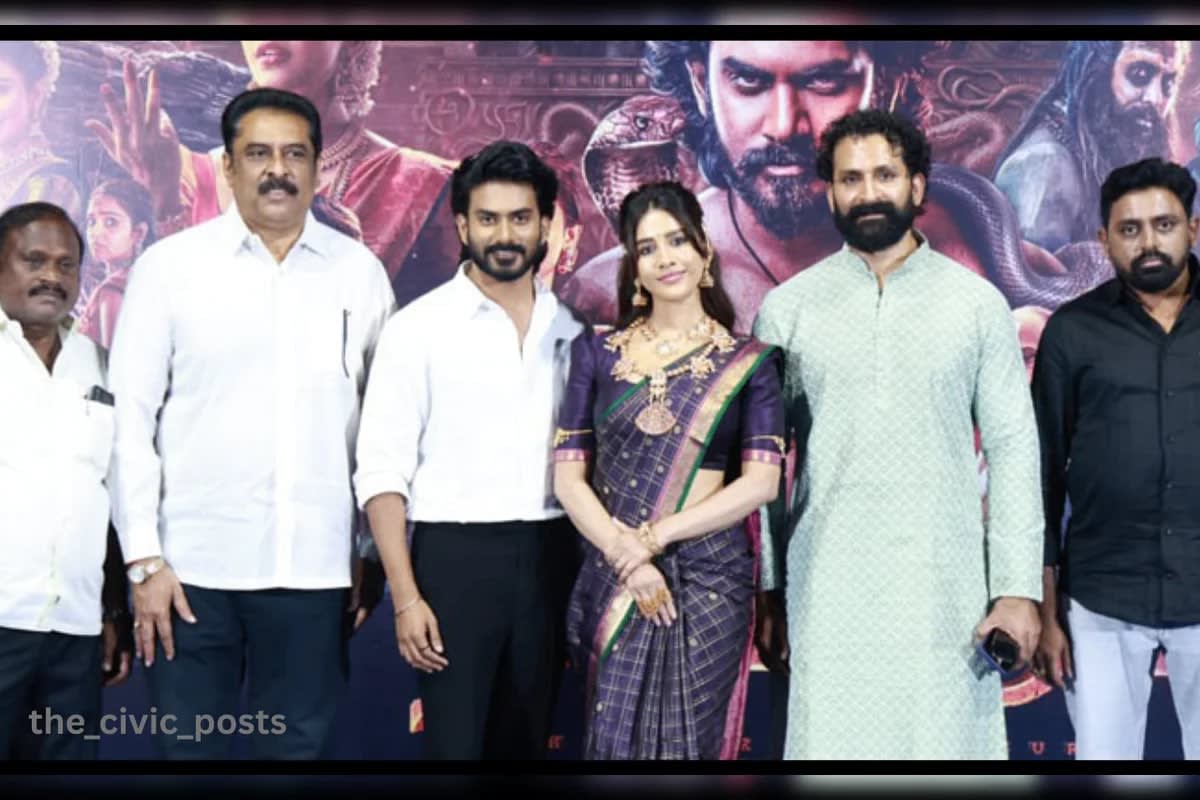
Nabha Natesh's return to the big screen has become one of the most talked-about developments in Telugu cinema, and her upcoming pan-Indian adventure drama Nagabandham is adding even more excitement to her comeback. After spending a considerable period away from films because of a serious injury, the actress has chosen a project that promises scale, mythology, action, and spirituality in equal measure. While audiences have already been impressed by the film's promotional material, it is the fascinating behind-the-scenes experiences shared by Nabha that have generated fresh interest. One particular revelation-that the cast and crew followed a strict vegetarian diet during filming-has highlighted the extraordinary commitment that went into creating the ambitious production.
For Nabha, Nagabandham is much more than another film in her career. It represents a fresh beginning after a challenging phase that temporarily interrupted her journey in the film industry. Recovering from a major shoulder injury required patience, determination, and careful rehabilitation. Instead of rushing back to the screen, she waited for a script that genuinely inspired her. According to the actress, Nagabandham offered exactly that opportunity. Its unique storyline, mythological backdrop, and emotionally layered character convinced her that it was the ideal project to mark her return.
The film explores themes deeply connected with ancient traditions, spirituality, and adventure, demanding an atmosphere that reflected the essence of its narrative even behind the camera. Rather than treating the production as just another commercial venture, the filmmakers reportedly encouraged everyone associated with the project to embrace certain practices that aligned with the spiritual tone of the story. Among those decisions was maintaining a completely vegetarian diet throughout the filming schedule. While such discipline is uncommon in mainstream productions, the team believed it would help preserve the devotional environment required for a story rooted in sacred traditions.
Nabha explained that the experience extended beyond food habits. The production sought to create an atmosphere where every member of the cast and crew remained connected to the cultural and spiritual values reflected in the screenplay. This approach helped build a unique sense of unity among everyone involved. Instead of considering these practices as restrictions, many participants viewed them as an opportunity to contribute more sincerely to the project's vision. Such collective discipline is rarely discussed in contemporary filmmaking, making the production of Nagabandham stand out from many other large-scale commercial films.
One of the most remarkable aspects of the production was the attention given to authenticity. The makers invested heavily in constructing elaborate sets designed to recreate historically and spiritually significant locations with great precision. Rather than relying exclusively on computer-generated imagery, the production built massive physical environments to enhance realism. These sets not only provided visual grandeur but also helped actors immerse themselves more naturally in the world of the story. According to Nabha, stepping onto these carefully crafted locations each day made performing her role feel far more convincing and emotionally engaging.
Among the most talked-about achievements of the art department was the recreation of an iconic temple environment. Considerable effort went into ensuring that the set reflected architectural beauty while maintaining the reverence associated with such sacred spaces. To reinforce the spiritual atmosphere, traditional rituals were reportedly conducted before filming commenced each day. These ceremonies were intended to create a respectful environment that matched the devotional themes explored within the narrative. The combination of elaborate production design and spiritual observance contributed to a distinctive filmmaking experience rarely witnessed on such a large scale.
Nabha's character also demanded significant physical and emotional preparation. She portrays Parvathi, a determined Vedic student whose journey forms an important part of the narrative. Bringing this character to life required extensive costume preparation every shooting day. The elaborate traditional attire, jewellery, hairstyles, and makeup together consumed nearly two hours before cameras could begin rolling. Although the lengthy preparation process demanded patience, Nabha viewed it as an essential part of becoming the character. Every detail of the appearance was carefully planned to reflect the historical and cultural setting of the film.
The physical transformation was only one aspect of the challenge. Performing in elaborate costumes while participating in emotionally demanding scenes required concentration and stamina. Long shooting schedules, combined with the weight of traditional costumes and accessories, tested both physical endurance and mental focus. Nevertheless, the actress embraced these demands because she believed the authenticity they added would ultimately enhance the audience's viewing experience.
The production's ambitious scale extends well beyond costumes and sets. Reports suggest that the film has been mounted with a substantial budget, allowing the filmmakers to pursue grand visual storytelling without compromising their creative ambitions. Such investment reflects the confidence placed in the project and its potential to appeal to audiences across multiple languages. In recent years, pan-Indian films have demonstrated that compelling stories supported by impressive production values can successfully transcend regional boundaries. Nagabandham appears to be following that path by combining mythology, adventure, emotion, and technical excellence into a single cinematic experience.
One sequence that has particularly attracted attention is an elaborate song filmed on an enormous scale. The musical number reportedly brings together thousands of background performers in a visually spectacular celebration inspired by devotion and classical artistic traditions. Coordinating such a massive production required detailed planning involving choreography, costume management, logistics, camera movements, and crowd coordination. The sequence aims not merely to entertain but also to recreate the atmosphere of a grand spiritual festival, blending music, dance, and cultural symbolism into one visually rich presentation.
Such large-scale execution reflects the meticulous planning undertaken before production began. Extensive storyboarding and pre-production reportedly allowed the team to approach each sequence with remarkable clarity. Instead of making creative decisions during filming, much of the visual language had already been carefully designed in advance. This preparation helped ensure that the ambitious production remained organised despite its enormous scale.
For Nabha, the experience has been personally meaningful because it allowed her to return with a role unlike anything she had previously portrayed. Rather than choosing a conventional commercial entertainer, she opted for a character that demanded emotional maturity, discipline, and commitment. This decision signals her intention to explore more substantial performances while continuing to entertain mainstream audiences. Her enthusiasm when discussing the film suggests that she views Nagabandham not only as a comeback but also as an opportunity to redefine the next phase of her career.
The film also provides an important platform for its lead cast and creative team to showcase ambitious storytelling rooted in Indian mythology. As audience interest in culturally inspired epics continues to grow, productions like Nagabandham demonstrate the industry's willingness to invest in stories celebrating heritage through modern cinematic techniques. By combining practical sets, elaborate costumes, disciplined production practices, and advanced filmmaking technology, the project aims to deliver an experience that feels both visually spectacular and emotionally authentic.
Behind every successful film lies a combination of visible and invisible efforts. While audiences will eventually admire the performances, visual effects, and action sequences on screen, they may never fully realise the countless decisions made during production that shaped the final result. The vegetarian diet observed by the cast and crew, the daily rituals performed before shooting, the painstaking costume preparation, and the careful recreation of sacred environments all represent examples of dedication that remain largely hidden from public view. Yet these details contribute significantly to the atmosphere and authenticity filmmakers hope audiences will ultimately experience.
As anticipation for Nagabandham continues to build, such behind-the-scenes stories offer viewers a deeper appreciation of the passion invested in bringing the project to life. They reveal that filmmaking is not merely about cameras and performances but also about creating an environment where every department works toward a shared artistic vision. Whether through disciplined preparation, respect for cultural traditions, or meticulous attention to visual detail, the team appears determined to present a film that stands apart from conventional commercial entertainers.
When Nagabandham finally reaches theatres, audiences will judge it on its storytelling, performances, and cinematic impact. However, the commitment demonstrated throughout its production has already given the film a unique identity. The combination of spiritual discipline, artistic ambition, and large-scale filmmaking has positioned it as one of the more intriguing releases on the horizon, while Nabha Natesh's heartfelt return adds an emotional dimension that makes the journey even more compelling.