Cruise Ship Health Crisis: Rare Virus Outbreak Triggers Emergency Response at Sea
Alekhya Kota - MAY 4, 2026
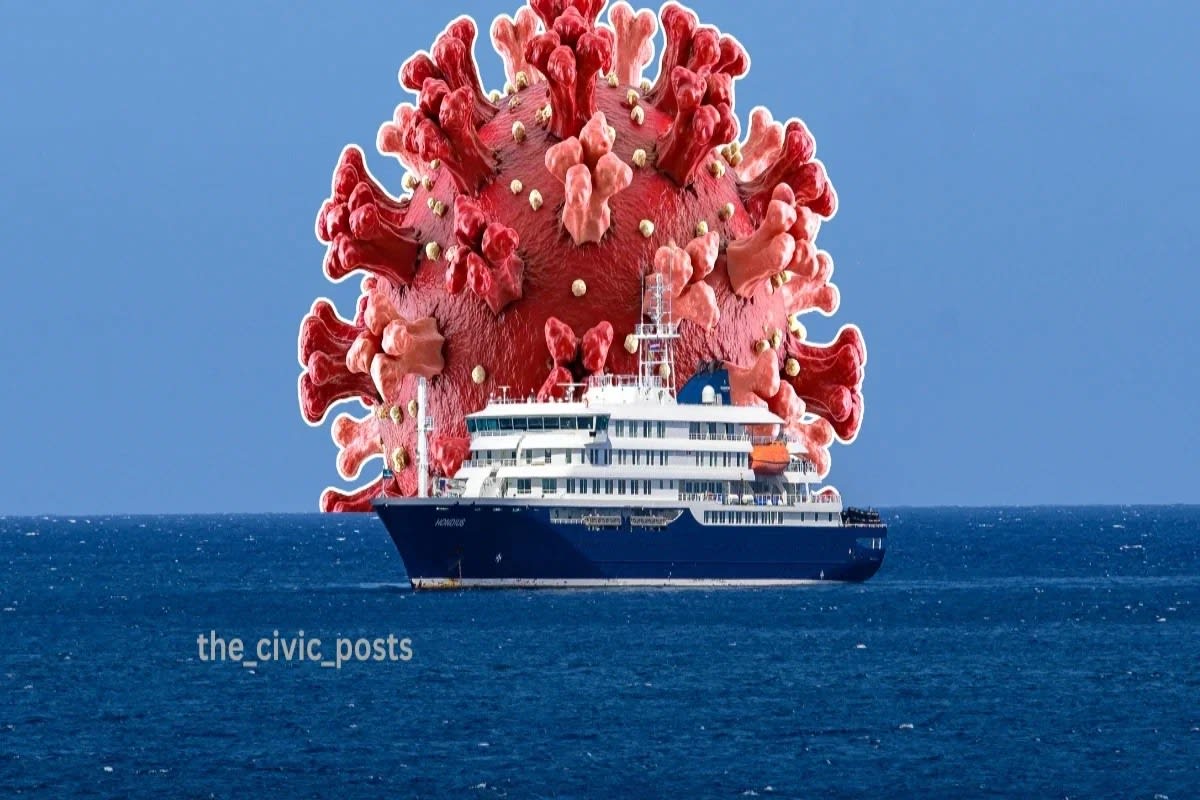
A major health scare has emerged from the Atlantic Ocean after a cruise ship reported a suspected outbreak of hantavirus, a rare but serious infection linked mainly to rodent exposure. The incident has drawn urgent attention from global health authorities, especially after reports confirmed multiple deaths and several passengers falling critically ill during the journey.
What began as a routine voyage quickly turned into a medical emergency when passengers started complaining of fever, fatigue, and body pain. At first, the symptoms appeared similar to common viral infections, which often spread in enclosed travel environments. However, within a short period, the condition of some individuals worsened significantly, with severe breathing difficulties requiring immediate medical intervention.
Onboard medical teams acted quickly, isolating affected passengers and providing emergency care. Despite these efforts, the situation escalated, and fatalities were reported. Additional passengers showing similar symptoms were later shifted for advanced treatment after evacuation arrangements were made in coordination with emergency health services.
What Makes Hantavirus So Dangerous
Hantavirus is not a commonly spread virus, but it is known for its severity when infection occurs. It is primarily carried by rodents such as mice and rats, and humans typically become infected through contact with environments contaminated by rodent urine, droppings, or saliva particles.
In many cases, people get exposed unknowingly when they inhale contaminated dust in enclosed or poorly cleaned areas. Once inside the human body, the virus can lead to serious complications, especially affecting the respiratory system.
One of the most dangerous forms of the illness can cause rapid lung failure, making early detection extremely important. Because initial symptoms resemble regular flu, diagnosis is often delayed until the condition becomes severe.
Why This Outbreak Is Unusual
Health experts are particularly concerned because such outbreaks are rare on cruise ships. These vessels are usually maintained under strict hygiene protocols, with regular cleaning and pest control measures in place. However, the enclosed nature of cruise ships means that if an infection does enter the environment, it can potentially spread or affect multiple people quickly.
Authorities are currently investigating how the exposure may have occurred. Possible areas under review include contaminated supplies, hidden rodent activity in storage areas, or exposure before passengers boarded the ship. Since cruise ships operate across international waters and dock at different ports, tracing the exact source becomes more complex.
Symptoms That Raised Alarm
The illness initially appeared mild, which delayed immediate suspicion of a serious outbreak. Reported symptoms included:
Sudden fever
Severe fatigue
Muscle pain and body weakness
Headaches
Nausea or stomach discomfort
Difficulty in breathing in advanced cases
As the condition progressed in certain patients, respiratory distress became severe, requiring emergency care and evacuation.
Emergency Health Response and Investigation
Following confirmation of suspected hantavirus cases, health authorities initiated a detailed investigation. Medical teams are working to identify the exact source of infection, analyze environmental samples, and study passenger movement patterns during the voyage.
Strict containment measures were implemented onboard to prevent further spread. Affected passengers were isolated, while those in critical condition were transferred for advanced treatment facilities once evacuation became possible.
International health agencies have also stepped in, coordinating with maritime and port authorities to ensure proper monitoring and containment of the situation.
Global Concern Over Enclosed-Environment Infections
This incident highlights how quickly health risks can escalate in enclosed environments such as cruise ships. Even rare infections can become serious when people are in close proximity for extended periods.
Experts emphasize that early detection, strict hygiene protocols, and rapid medical response are essential to preventing such outbreaks. Rodent control and environmental sanitation are also key factors in reducing the risk of hantavirus exposure.
Conclusion
The suspected hantavirus outbreak on the Atlantic cruise ship has become a serious international health concern, with multiple fatalities and ongoing investigations. While the virus itself is rare, the incident shows how quickly infectious diseases can become dangerous in confined travel environments.
Health authorities continue to investigate the exact cause while ensuring that all necessary containment and safety measures are in place. The situation serves as a reminder of the importance of vigilance, hygiene, and rapid response in global travel settings, where even rare infections can have severe consequences.


