Assembly Laddu Debate Steals Spotlight, But Jagan Focuses Elsewhere
Kranthi Shekar - FEB 23, 2026
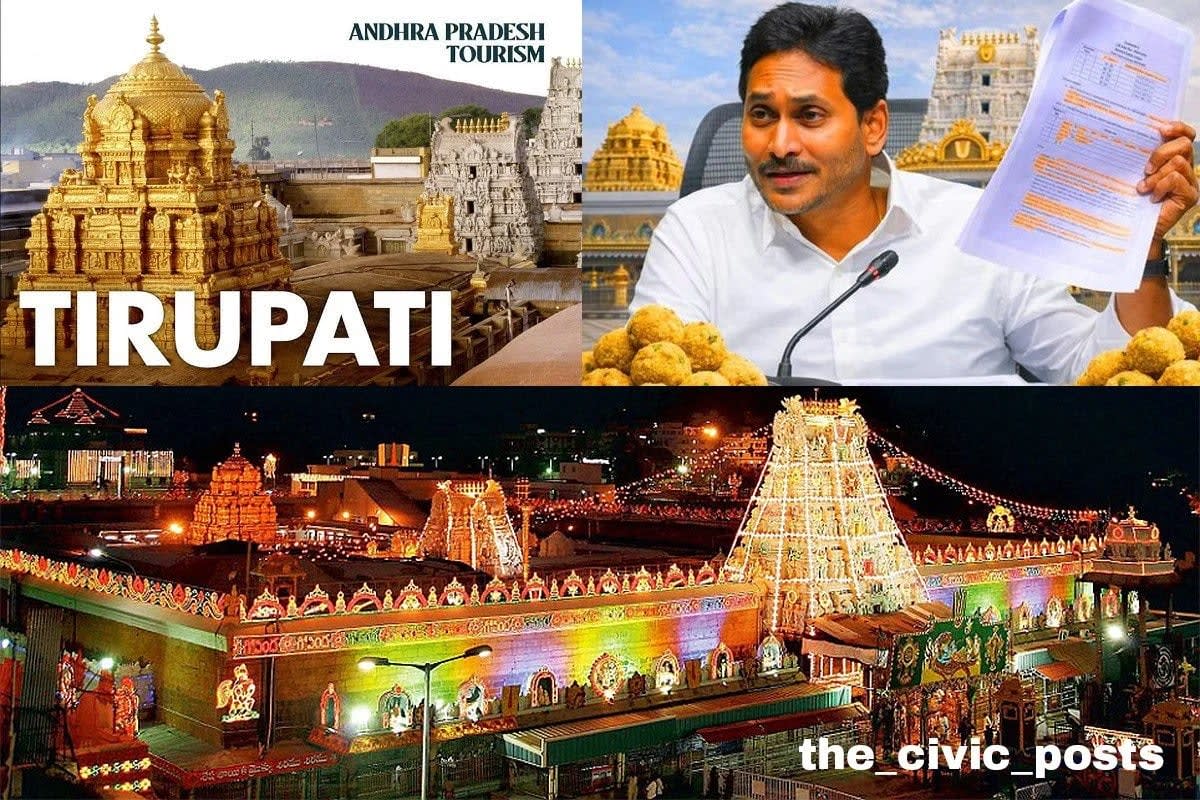
A surprising and light‑hearted episode grabbed attention in the Andhra Pradesh Legislative Assembly recently, when a discussion about laddus — a popular Indian sweet — became a talking point among members. The unusual topic brought a moment of levity to the usually serious proceedings, but Chief Minister Y. S. Jagan Mohan Reddy appeared to keep his focus firmly fixed on larger governance issues rather than the sweet‑themed exchange.
The “laddu debate” began when some legislators raised questions about the distribution and cultural significance of laddus in local festivals and community events. This seemingly trivial issue quickly gained traction as different political parties used it as an opportunity to make broader points about cultural traditions, community welfare, and civic engagement. Lawmakers from both sides of the house joined in, sharing anecdotes and opinions on how sweets like laddus feature during celebrations, temple events, and social gatherings across the state.
Amid this unexpected session highlight, members of the opposition seized the opportunity to bring in sharp, humorous, and sometimes critical remarks. They used the laddu anecdote as an icebreaker to address unrelated topics, including social welfare programs, festival funding, and questions about how state resources are allocated during cultural occasions. The debate sparked laughter, applause, and occasional boos, as members quipped and counter‑quipped across the chamber.
However, despite the unusual turn in discussion, Chief Minister Jagan Mohan Reddy maintained a steady focus on the government’s legislative agenda. Rather than getting drawn deeply into the laddu conversation itself, he highlighted priority issues such as development plans, public service delivery, economic growth strategies, and implementation of welfare schemes. His remarks made it clear that while light moments are part of democratic debate, the government’s primary attention remains on policy matters affecting everyday life for citizens.
Political analysts watching the session noted that such moments of levity can serve a purpose in legislative settings. They can humanise debates, make proceedings more relatable to the public, and offer a break from intense policy discussions. At the same time, these incidents can be used strategically by opposition parties to introduce broader criticism in a way that captures media attention and engages the public’s curiosity.
The laddu exchange also drew reactions on social media, where clips and commentary from the assembly spread quickly. Internet users responded with amusement and sarcasm alike, with some turning the laddu topic into memes and playful commentary. Others pointed out that, despite the humorous subject, legislators must keep their efforts directed toward substantive issues like education, healthcare, infrastructure, and employment.
In offices and public forums, ordinary citizens weighed in with a mix of amusement and seriousness. Some expressed enjoyment of the unusual assembly moment, seeing it as a refreshing change from routine political talk. Others opined that while cultural subjects matter, elected representatives should ensure that essential governance matters remain at the forefront of legislative debates.
For Chief Minister Jagan Mohan Reddy, this episode presented a balancing act: acknowledging cultural and community sentiments without letting a light‑hearted topic derail the core legislative process. His response signaled that while the government is open to diverse voices and discussions, its principal mission lies in addressing fundamental governance priorities.
In summary, the laddu discussion in the Andhra Pradesh Assembly offered a quirky moment in an otherwise serious forum. It brought smiles, prompts for wider commentary, and a reminder that cultural symbols like food hold social significance. At the same time, Chief Minister Jagan stayed focused on pressing governance issues, demonstrating a leadership approach that embraces diverse debates but prioritises policy progress and public welfare.


