Dasari Narayana Rao’s Memorial Neglect Leaves Fans and Film Industry Shocked
Editorial desk - MAY 30, 2026

The recent attention surrounding the memorial of legendary Telugu filmmaker Dasari Narayana Rao has triggered an emotional debate across the film industry and among cinema lovers. What began as concern over the condition of a memorial site quickly evolved into a broader discussion about how society remembers and honors the people who helped shape its cultural identity.
For generations of Telugu movie audiences, Dasari Narayana Rao was more than just a filmmaker. He was a storyteller, a mentor, a creator of opportunities, and a voice that often reflected the realities of ordinary people through cinema. His influence extended far beyond the director’s chair. He inspired actors, encouraged writers, guided technicians, and contributed significantly to the growth of Telugu cinema during a career that spanned several decades.
The controversy emerged when visuals of his memorial circulated online, revealing a location that appeared to have suffered from a lack of regular maintenance. The images surprised many fans who found it difficult to accept that the resting place of such a towering figure could be left in that condition. The reaction was immediate, with social media users expressing disappointment and urging those connected to the film industry to take corrective measures.
What made the issue particularly sensitive was the contrast between Dasari’s immense contribution to cinema and the state of the site dedicated to his memory. Throughout his life, he remained one of the most influential personalities in Telugu filmmaking. His work touched millions of viewers, and his name became synonymous with dedication and creativity. For admirers, the condition of the memorial felt inconsistent with the respect he had earned over the years.
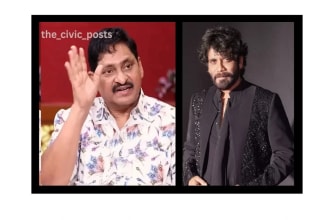
The situation soon prompted action from members of the industry. Actor Manchu Manoj was among those who responded after learning about the issue. Efforts were initiated to clean and restore the surroundings, helping bring attention to a problem that many people may not have previously noticed. The involvement of film personalities was welcomed by fans, who viewed the response as a meaningful gesture of gratitude toward a man whose contributions continue to be remembered.
Support also came from others within the cinema community, including representatives associated with Geetha Arts. Their participation reinforced the idea that preserving the memory of influential cultural figures should be a collective responsibility rather than the duty of a single individual or organization.
However, the conversation soon moved beyond the cleanup itself. Many began asking an important question: What happens to the legacy of great artists once public celebrations fade and anniversaries pass? While legendary figures are often praised in speeches and commemorative events, maintaining the places connected to their lives is equally important. Memorials are not merely physical structures; they represent history, inspiration, and collective memory.
Swipe/scroll sideways to view images

Dasari Narayana Rao’s career serves as a reminder of why such preservation matters. He was known for his remarkable productivity and his ability to connect with audiences from different backgrounds. His films frequently addressed social concerns, family values, and human relationships. He built a body of work that entertained while also encouraging reflection. Over the years, he became a symbol of perseverance and commitment, proving that success could be achieved through hard work and vision.
His influence was not limited to filmmaking alone. Many artists who later established successful careers often acknowledged the support and encouragement they received from him. He was known for recognizing talent and creating opportunities for newcomers. Because of this, many within the industry view him as a mentor whose impact continues long after his passing.
The public response to the memorial issue demonstrated that his legacy remains deeply respected. People from different generations expressed concern not simply because a site required maintenance, but because they believed a figure of his importance deserved lasting recognition. The emotional reactions reflected the affection and admiration that audiences still hold for him.
At the same time, the incident highlighted the need for better systems to preserve the memories of cultural icons. Film industries across the world celebrate their pioneers through museums, archives, memorials, and educational initiatives. Similar efforts can ensure that future generations understand the contributions of individuals who helped build the foundations of cinema. Protecting such spaces is not only about honoring the past but also about educating the future.
The episode surrounding Dasari Narayana Rao’s memorial ultimately became about much more than a physical location. It served as a reminder that legacies require ongoing care. Achievements recorded in history books and preserved on screen are important, but the symbols that represent those achievements also deserve attention.
As restoration efforts continue and discussions about preservation gain momentum, many hope that this moment will inspire a renewed commitment to honoring the pioneers of Indian cinema. Dasari Narayana Rao’s work continues to live through the films he created and the people he inspired. Ensuring that his memory is respected in every possible way is not merely an act of remembrance-it is a tribute to a legacy that helped shape the identity of Telugu cinema and left a lasting mark on Indian film history.