Vinesh Phogat Faces Bitter Trial Exit in High-Stakes Wrestling Showdown
Editorial desk - MAY 30, 2026
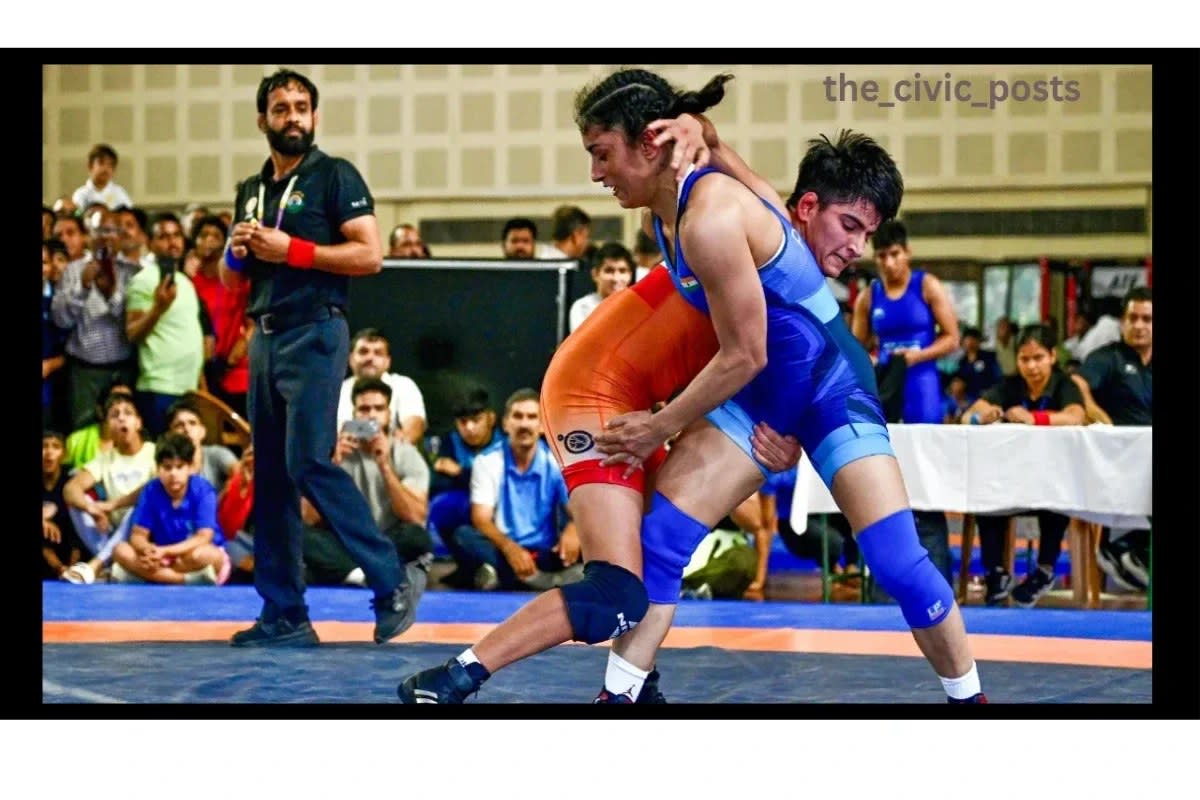
Indian wrestling witnessed an emotional and significant moment when one of its most celebrated athletes, Vinesh Phogat, saw her hopes of qualifying for the Asian Games come to an end after a semifinal defeat in the selection trials. The result not only marked a disappointing day for the veteran wrestler but also highlighted the changing dynamics within Indian wrestling, where a new generation of athletes is increasingly challenging established stars for places on the national team.
For years, Vinesh Phogat has been one of the most recognizable faces in Indian sports. Her journey has been defined by remarkable achievements, extraordinary resilience and an unwavering commitment to excellence. From winning medals at major international competitions to overcoming career-threatening injuries, she has consistently demonstrated the qualities that define elite athletes. Because of her accomplishments and experience, many wrestling enthusiasts believed she had the ability to make another successful return to international competition.
The Asian Games selection trials were expected to be a crucial chapter in that comeback story. After spending a considerable period away from regular competition, Vinesh entered the trials carrying the hopes of supporters who wanted to see her represent India once again on a major stage. The event was closely followed by fans, coaches and wrestling experts, all eager to witness how the veteran wrestler would perform against a highly competitive field.
However, the path to the trials was anything but straightforward. In the weeks leading up to the event, discussions surrounding eligibility, weight categories and participation created uncertainty. The situation generated considerable debate within Indian wrestling circles. Despite the challenges, Vinesh remained focused on preparing for competition, determined to let her performance on the mat speak for itself.
When the trials finally began, the atmosphere was charged with anticipation. Every bout carried immense significance because a place in the national squad was at stake. Unlike open tournaments, selection trials offer little room for error. One defeat can end months of preparation and close the door on major international opportunities.
Competing in the women's 53-kilogram category, Vinesh progressed with the confidence and determination that had defined her career. Yet the competition she faced reflected the growing strength of Indian women's wrestling. Over the last decade, the sport has expanded significantly, producing a large pool of talented wrestlers capable of challenging even the most accomplished athletes.
Among those emerging talents is Meenakshi Goyat, a wrestler who has steadily built a reputation through consistent performances and impressive results. Entering the trials, she was determined to prove that she belonged among the country's elite competitors. Her semifinal meeting with Vinesh quickly became one of the most anticipated matches of the tournament.
The contest lived up to expectations. Both wrestlers approached the bout with intensity, knowing that victory would move them closer to securing a place in the national team. Vinesh relied on her experience, technical knowledge and ability to perform under pressure. Meenakshi, meanwhile, displayed confidence, speed and tactical awareness that reflected her growing maturity as a competitor.
Throughout the match, momentum shifted repeatedly. Neither wrestler was able to establish complete control, resulting in a fiercely contested battle. Every point carried significance, and every move had the potential to change the outcome. Spectators witnessed a clash between experience and youth, between an established champion and an ambitious challenger seeking her moment.
In the decisive stages of the bout, Meenakshi managed to gain a slight advantage and held on to secure victory. The result ended Vinesh's campaign and effectively closed the door on her hopes of earning a place in the Asian Games squad through the trials process.
The defeat was understandably disappointing for Vinesh and her supporters. For any athlete, especially one with such an accomplished career, missing out on a major international event is difficult to accept. Years of dedication, sacrifice and training are invested in pursuit of these opportunities. When a campaign ends sooner than expected, the emotional impact can be profound.
Yet the result also demonstrated the increasingly competitive nature of Indian wrestling. Success at the highest level requires continuous adaptation and improvement. Younger athletes are arriving with advanced training methods, greater exposure to international competition and a strong desire to establish themselves. As a result, selection battles have become more demanding than ever.
For Indian wrestling, this growing competition is ultimately a positive development. A deeper talent pool strengthens the national program and increases the likelihood of success at international events. When multiple athletes are capable of competing at elite levels, standards rise across the board. Wrestlers are pushed to improve, coaches are encouraged to innovate and the sport benefits from a culture of excellence.
Meenakshi Goyat's victory represents more than a personal achievement. It symbolizes the emergence of a new generation determined to make its mark on the international stage. Defeating a wrestler of Vinesh's stature is a significant accomplishment and provides evidence of her potential to succeed at higher levels of competition.
At the same time, the result does not diminish Vinesh Phogat's contribution to Indian sports. Her impact extends far beyond medals and tournament results. Throughout her career, she has served as an inspiration for countless young athletes, particularly girls who dream of succeeding in wrestling. Her achievements helped bring greater visibility to women's wrestling in India and encouraged broader participation in the sport.
She has also demonstrated extraordinary resilience in the face of adversity. Serious injuries, difficult defeats and intense public scrutiny have all tested her determination. Yet she repeatedly returned to competition, proving her ability to overcome obstacles that might have ended the careers of many athletes. That resilience remains one of the defining characteristics of her sporting journey.
The latest setback raises questions about what lies ahead. Some may view the defeat as a sign that a new era has arrived in Indian wrestling. Others may believe that Vinesh still has the ability to compete at the highest level if she chooses to continue. Ultimately, the decision regarding her future rests with her alone.
Regardless of what happens next, her legacy is already secure. She has played a vital role in shaping Indian wrestling's modern identity and has contributed significantly to the growth of women's sports in the country. Her accomplishments have inspired future generations and demonstrated what can be achieved through dedication and perseverance.
The Asian Games trials will likely be remembered as an important moment in Indian wrestling history. They showcased both the enduring spirit of a champion and the arrival of emerging talent eager to seize new opportunities. For Vinesh, the day ended in disappointment, but it also served as a reminder of the fierce competitiveness that defines elite sport.
For Meenakshi Goyat, the victory represents a major step forward in her career and an opportunity to pursue greater success on the international stage. For Indian wrestling as a whole, the event highlighted the strength and depth of talent that continues to develop across the country.
While Vinesh Phogat's dream of competing at the Asian Games may have slipped away, her influence on the sport remains as powerful as ever. Champions are remembered not only for their victories but also for the standards they set and the inspiration they provide. In that regard, Vinesh's contribution to Indian wrestling will continue to resonate long after the final whistle of any single match.