BRS Internal Politics: Are Some Leaders Trying Too Hard to Stay Relevant?
Editorial desk - JUN 2, 2026
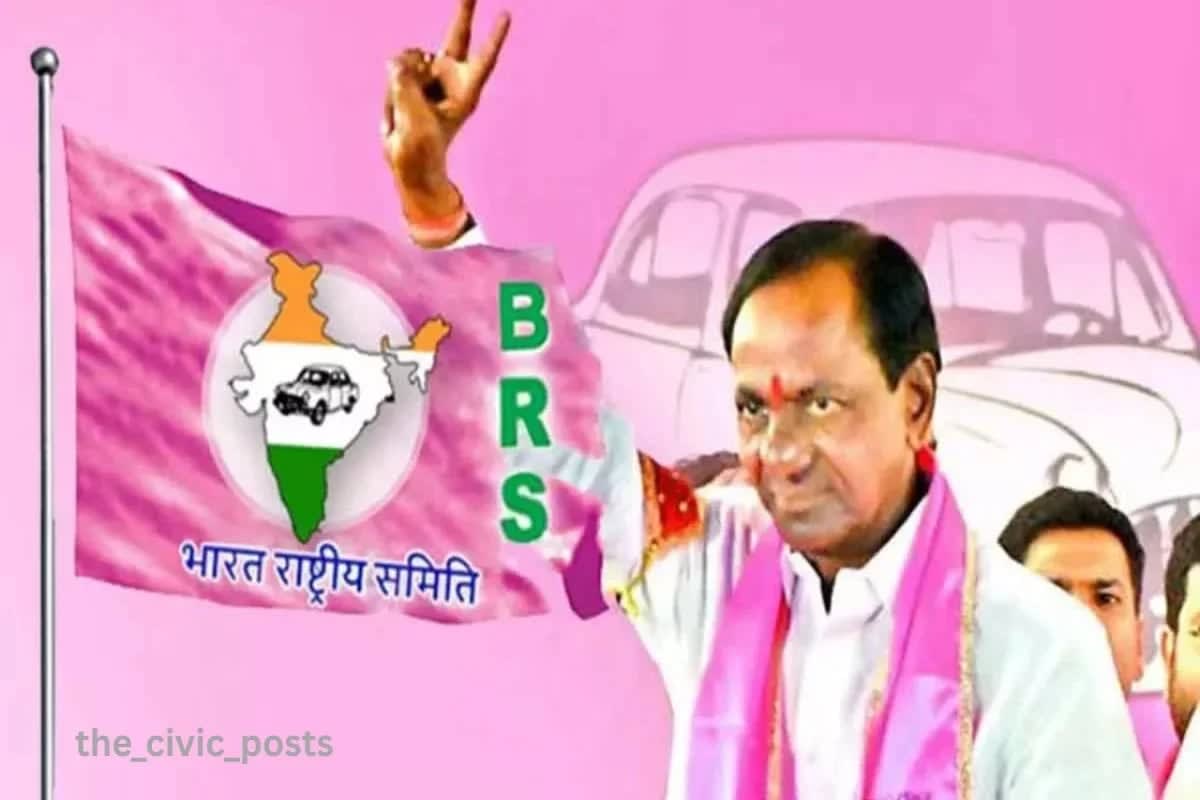
The internal dynamics within the BRS (Bharat Rashtra Samithi) have become increasingly intriguing in the aftermath of the party's electoral defeat. As the party navigates its new role in the opposition, several leaders are making visible efforts to assert their relevance and secure the attention of the leadership. In this context, the political conduct of two prominent BRS leaders-Padi Kaushik Reddy and Balka Suman-has become a subject of intense discussion within political circles.
It is natural for internal competition to intensify in any political party after losing power. The BRS appears to be experiencing a similar phase. While the party's top leadership remains firmly centered around K. Chandrashekar Rao (KCR) and K. T. Rama Rao (KTR), a sense of uncertainty seems to be emerging among second-rung and regional leaders. Many are eager to prove their importance within the party structure and demonstrate their loyalty to the leadership.
Among them, Padi Kaushik Reddy and Balka Suman appear particularly determined to project themselves as indispensable voices of the party. Their frequent media appearances, aggressive criticism of the ruling Congress government, and constant presence in political debates suggest an effort to remain at the forefront of public discourse. Political observers believe that beneath this activism lies a concern about maintaining influence and preventing other emerging leaders from overtaking them within the party hierarchy.
Kaushik Reddy’s Aggressive Politics
Padi Kaushik Reddy, who rose to prominence through the politics of Huzurabad, has long been known for his outspoken style. However, recent months have witnessed an escalation in both the intensity and frequency of his political attacks. While aggressive opposition politics often attracts media attention, critics argue that such an approach may not always benefit the party.
Political criticism is an essential aspect of democracy, but concerns have been raised that some of Kaushik Reddy’s remarks occasionally cross the line from political accountability into personal attacks. Critics allege that instead of focusing solely on policy failures and governance issues, he sometimes resorts to rhetoric that creates unnecessary controversy and fuels emotional polarization.
Within political circles, there is a growing perception that Kaushik Reddy is attempting to consolidate his position not only in Huzurabad but also across the larger Karimnagar political landscape. However, in his eagerness to remain politically relevant and visible, some of his actions and statements are being viewed as potentially counterproductive to the party’s broader image.
Balka Suman’s Bid to Remain in the Spotlight
A similar pattern can be observed in the political approach of former MLA Balka Suman from the erstwhile Adilabad region. Once recognized as a prominent student leader and an influential face during the BRS government's tenure, Suman now appears to be recalibrating his political strategy in the opposition era.
Observers suggest that Suman is keen to demonstrate to the party leadership that he remains an active and committed soldier of the BRS. However, his critics argue that in the process of attacking political opponents, he occasionally sacrifices restraint and moderation. The use of strong language and confrontational rhetoric may generate headlines, but it also risks creating a negative impression among neutral voters and the broader public.
For leaders aspiring to secure future responsibilities within the party, visibility is undoubtedly important. Yet political analysts warn that excessive aggression without substantive political messaging can often alienate the very audience leaders seek to attract.
Loyalty Politics in a Time of Defections
The recent migration of several BRS leaders to other political parties has added another layer of complexity to the party’s internal dynamics. In such an environment, leaders who continue to remain with the party often feel compelled to publicly reaffirm their loyalty.
For leaders like Kaushik Reddy and Balka Suman, strong criticism of the Congress government appears to serve a dual purpose. It helps signal unwavering commitment to the BRS leadership while also reassuring party cadres that they have no intention of switching sides. However, critics argue that some of these attacks appear more focused on maintaining media visibility than on presenting a coherent opposition narrative.
This perception has fueled speculation that the primary objective is not necessarily to strengthen the party’s ideological position but rather to secure personal political space within a rapidly evolving opposition structure.
Does This Strategy Help or Hurt the BRS?
Opinions remain divided. A section of the party cadre appreciates the aggressive stance adopted by these leaders, viewing it as evidence of a fighting spirit against the ruling establishment. However, political commentators, intellectuals, and neutral voters often take a more cautious view.
Effective opposition politics requires more than loud criticism. Voters generally respond positively to fact-based arguments, policy alternatives, and constructive scrutiny of government performance. When political discourse shifts toward sensationalism or personal attacks, it risks undermining credibility and distracting from substantive issues.
Political analysts caution that if leaders focus excessively on proving their importance within the party rather than building public trust, the strategy could ultimately become self-defeating.
A Reflection of a Larger Internal Contest
The political journeys of Padi Kaushik Reddy and Balka Suman offer a glimpse into the broader internal competition currently unfolding within the BRS. Their efforts to maintain influence, secure leadership recognition, and preserve political relevance reflect the challenges faced by many opposition leaders after a significant electoral setback.
Whether this aggressive style of politics strengthens their individual careers or creates long-term complications remains to be seen. Equally important is how the BRS leadership responds. Will the party encourage such confrontational politics, or will it seek to impose greater discipline and strategic direction?
The answer to that question may shape not only the future of these leaders but also the trajectory of the BRS as it attempts to rebuild and reposition itself in Telangana’s evolving political landscape.