Andhra Pradesh Medical Colleges: 17 New Campuses Opened by Jagan Govt, Now Shifted to PPP Model by Alliance Govt – Gains and Risks for Students
Kranthi Vegesna - MAR 7, 2026
Andhra Pradesh Medical Colleges: 17 New Campuses Opened by Jagan Govt, Now Shifted to PPP Model by Alliance Govt – Gains and Risks for Students
Amaravati: Will medical education in Andhra Pradesh undergo a sudden transformation? The Y.S. Jagan Mohan Reddy government had launched 17 new government medical colleges in the last five years. Now, the newly elected TDP–Jana Sena–BJP alliance has announced that these institutions will be run under a Public-Private Partnership (PPP) model. The move raises a crucial question: what does this mean for students? More opportunities or new challenges?
The Current Status of Medical Colleges in Andhra Pradesh
According to NEET-2025 counselling data, Andhra Pradesh has 37 medical colleges - 18 government and 19 private. Together, they offer around 6,510 MBBS seats (3,110 in government colleges, 3,400 in private). For dentistry, there are 17 BDS colleges (2 government, 15 private) with a total of 1,540 seats.
Government colleges charge relatively low fees (₹50,000–60,000 annually), while private institutions charge much higher (₹12–15 lakh).
Jagan Govt’s Initiative: 17 New Medical Colleges
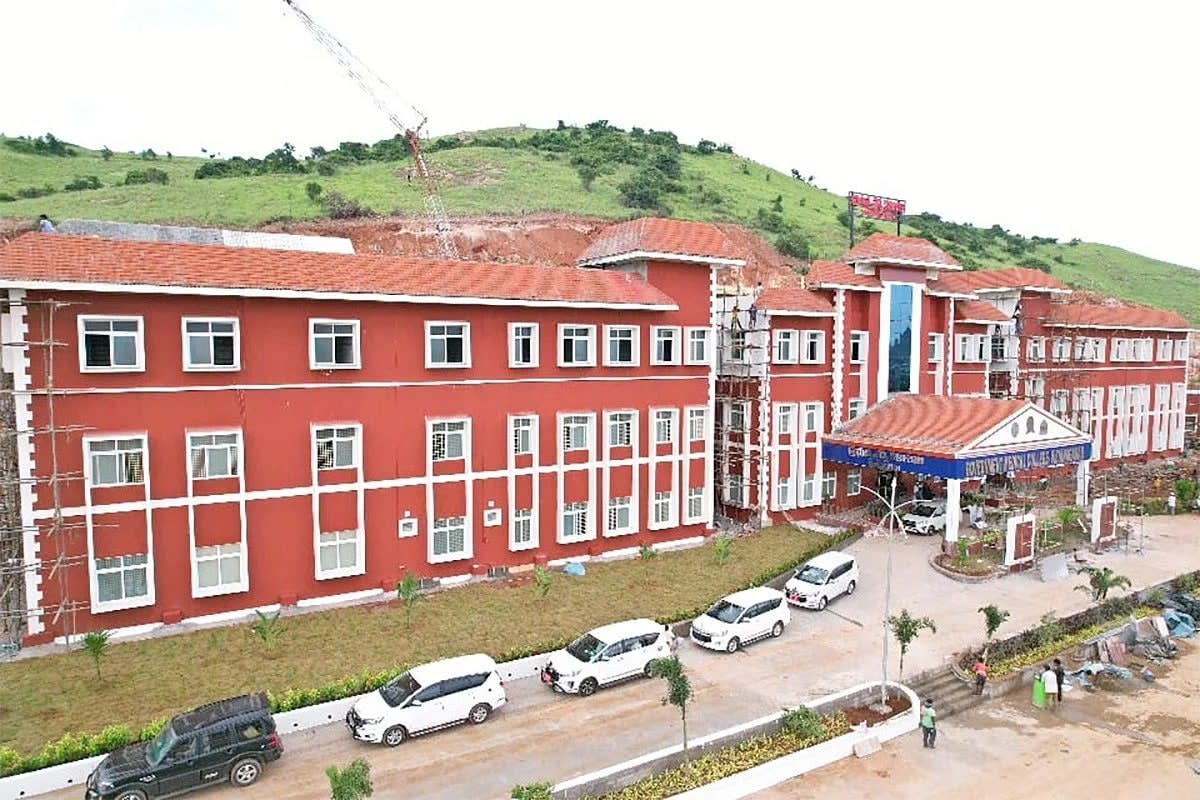
Between 2019 and 2024, the YSRCP government unveiled an ambitious plan to establish one government medical college in every district - 17 in total - at a cost of ₹8,500 crore. In September 2023, Jagan inaugurated the first five campuses at Vizianagaram, Rajamahendravaram, Eluru, Machilipatnam, and Nandyal.
Alliance Govt’s Shift: PPP Model
Post the 2024 elections, the alliance government cited financial constraints and incomplete works as reasons to bring in Public-Private Partnership. On September 4, 2025, the Cabinet approved that 10 new medical colleges (including those initiated under Jagan’s tenure) would be operated through PPP.
According to the government, private participation will boost infrastructure, modern laboratories, and hospital facilities. By 2027–28, an additional 1,500 MBBS seats are expected.
However, opposition leader Y.S. Jagan Mohan Reddy denounced this move as “privatization for commission” and warned that such agreements would be scrapped if YSRCP returned to power.
PPP Model: Potential Benefits for Students
Better infrastructure: Private funding can accelerate completion of buildings, labs, and hospitals. Students may get access to advanced training and technology, similar to PPP models in states like Bihar.
Faster seat expansion: With each new college adding 150+ MBBS seats, middle-rank NEET aspirants (ranks between 10,000–50,000) will benefit.
Lower financial burden than private colleges: Although fees may rise compared to pure government institutions, they could still remain below the levels of fully private colleges.
PPP Model: Risks and Concerns for Students
Fee hikes: Fees could rise to ₹5–10 lakh annually under private management, making access difficult for poor and middle-class students.
Commercialization of education: Private management may prioritize profits over service, undermining equity and possibly lowering training quality.
Political uncertainty: With Jagan vowing to cancel PPP agreements if YSRCP regains power, students may face instability. Already, delays in completing 17 colleges have slowed down seat expansion, and PPP may add further complications.
The Need for a Balanced Approach
While PPP could speed up infrastructure development and expand opportunities, without strict fee regulation, scholarships, and safeguards for disadvantaged groups, the model risks turning into commercialized education.
Ultimately, strengthening healthcare and medical education in Andhra Pradesh requires political consensus and a balanced policy rather than partisan battles. The real test will come during NEET-2026 counselling, when students and families will see how these changes play out on the ground.