Balochistan: Pakistan’s Forgotten Province or Future Nation?
AKI - MAR 4, 2026
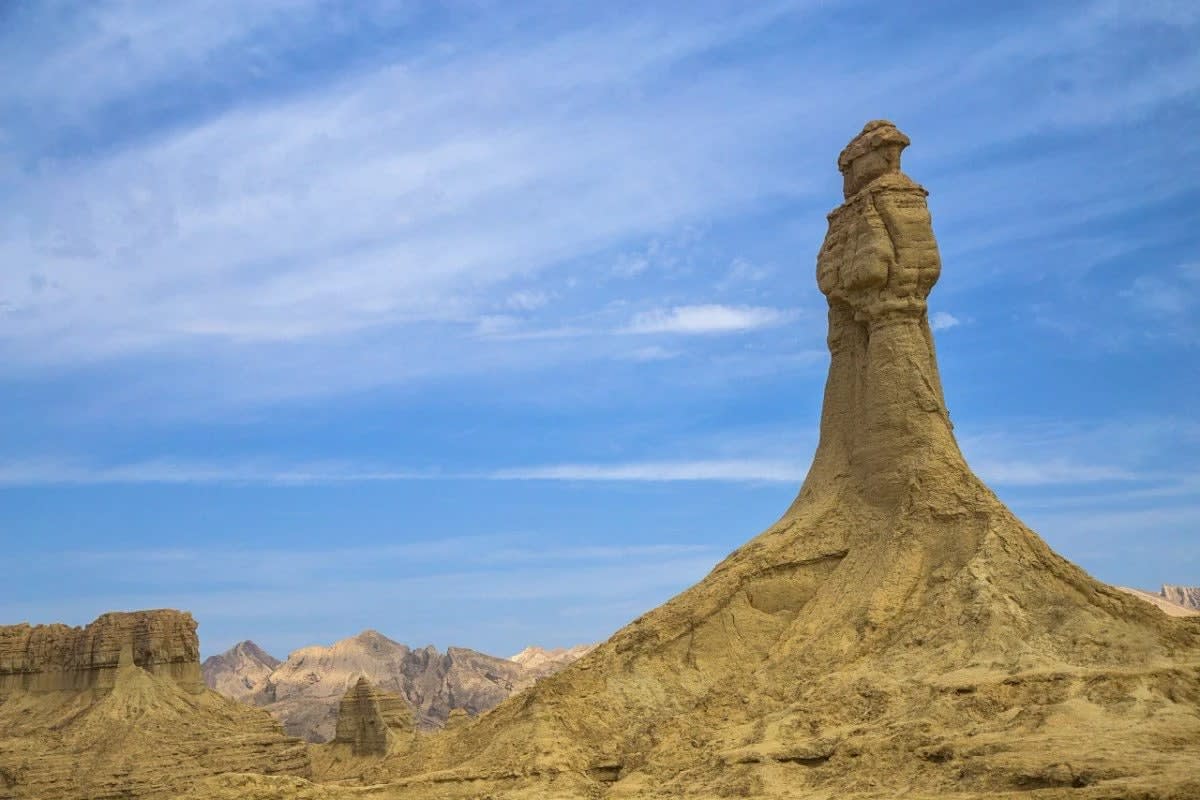
On September 29, 2023, the Jaffar Express-a passenger train running between Rawalpindi and Quetta-was struck by a deadly bombing in Balochistan, killing and injuring dozens. It was not an isolated act of violence but part of a wider surge in attacks that have put the province back in global headlines. For decades, this rugged, resource-rich land stretching from the Iranian plateau to the Arabian Sea has carried the aspirations of its people for autonomy and recognition. Today, while it remains Pakistan’s largest province, the dream of an independent Balochistan continues to stir debates across South Asia and beyond. To understand its present struggles, one must revisit its contested past and the unfulfilled promises made at the dawn of Pakistan’s independence. At the same time, the idea of India playing a role in separating Balochistan-as a counterbalance to Pakistan from the west-remains more a strategic fantasy than a practical reality.
From Independence to Forced Merger and Anonymity
When Pakistan emerged in 1947, Balochistan’s rulers resisted joining the new state. The Khan of Kalat argued that religion alone could not define nationhood, and many Baloch leaders envisioned remaining independent. Yet within months, Pakistan annexed the region. What followed was a history of broken promises. The assurance that Islamabad would not intervene in Balochistan’s internal affairs was soon abandoned. Instead of recognition, Balochistan was pushed into merger, poverty, and political obscurity. The resentment born in those early years still fuels separatist dreams today.
Balochistan, a Puppet in Pakistan
Balochistan is distinct-culturally, ethnically, and geographically-from Pakistan’s dominant Punjabi and Sindhi heartlands. Despite sitting on vast reserves of natural gas, coal, copper, and a prized coastline at Gwadar, it remains the poorest and most neglected province. While Punjab and Sindh dominate Pakistan’s political and economic life, Balochistan is treated as a backwater. For many Baloch, their land is plundered while their people remain voiceless. This unequal relationship makes them feel less like citizens of a nation and more like pawns in a larger game.
Lessons India Needs to Know from Supporting the Bangladeshi Separatist Movement
Balochistan’s unrest naturally draws India’s attention. Some in New Delhi see supporting the Baloch cause as a way to pressure Pakistan, much like India’s intervention in 1971 helped create Bangladesh. But history offers warnings. Bangladesh, once considered a close ally, now complicates India’s security with cross-border tensions and insurgent networks. The lesson is clear: tactical support for separatist movements may bring short-term victories but often creates long-term uncertainty. For India, Balochistan as a counterweight to Pakistan is tempting to imagine-but far riskier to pursue.
Balochistan Now and the Path Forward
Today, Baluch insurgents continue to mount attacks, targeting security forces and infrastructure linked to Pakistan’s economic projects, including the China-backed Gwadar port. The Pakistani state responds with military crackdowns, leaving behind cycles of bloodshed and repression. Global powers, meanwhile, remain cautious: China sees Balochistan as central to its Belt and Road Initiative, while Western governments hesitate to destabilize nuclear-armed Pakistan. For the Baloch people, the dream of independence persists, but it collides with harsh realities-geopolitical interests, internal divisions, and overwhelming state power.
The dream of Balochistan is more than a political struggle-it is a fight for dignity, identity, and survival. Its people remain caught between historic grievances and present-day conflicts, their voices too often silenced in the name of stability. For India and other regional actors, the story of Balochistan is both a temptation and a warning. In the end, Balochistan remains a province bound by force yet driven by an unextinguished hope-a reminder that the map of South Asia is not as settled as it may seem.