BRS MLA Launches Sharp Attack on CM Revanth Reddy, Accuses Him of Being Obsessed With KCR
Kranthi Shekar - FEB 24, 2026
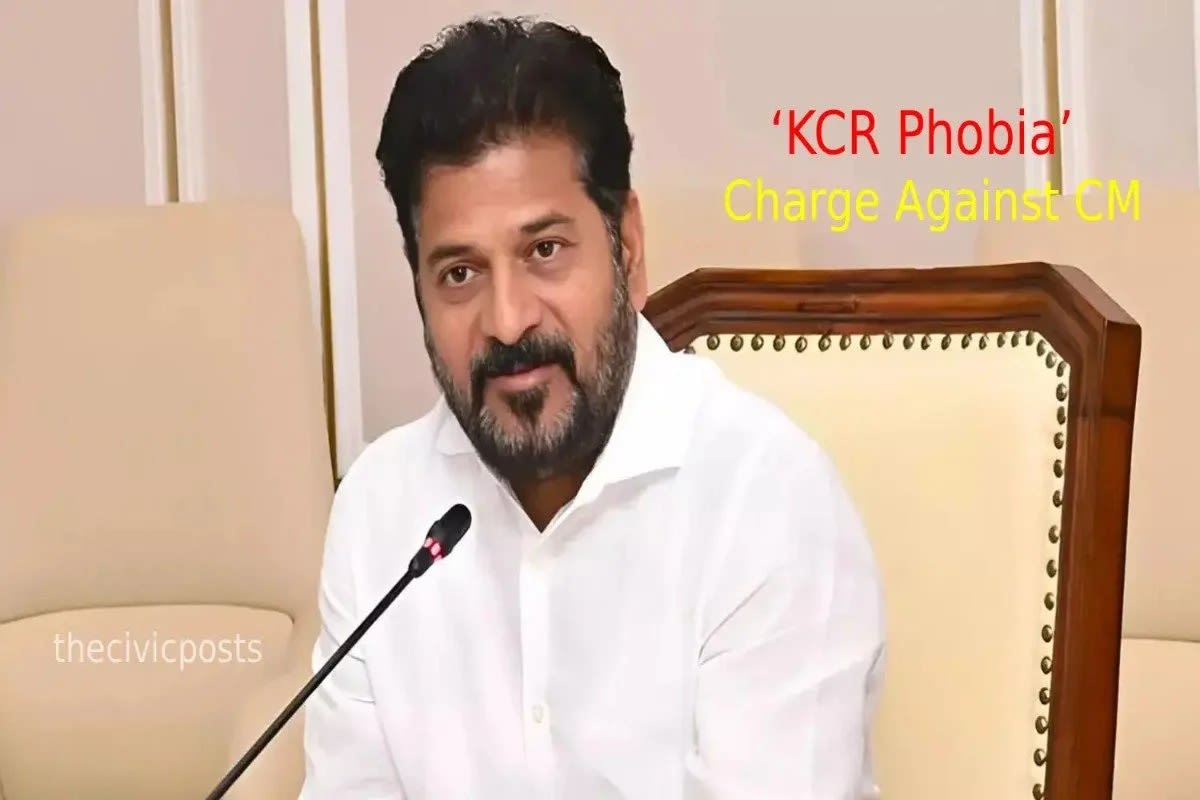
A prominent legislator from the Bharat Rashtra Samithi (BRS) has openly criticised Telangana Chief Minister A. Revanth Reddy, claiming that the chief minister is excessively focused on former leader K. Chandrashekhar Rao. According to the BRS representative, this fixation appears to go beyond usual political rivalry and reflects a deeper preoccupation that distracts from real governance priorities.
The lawmaker suggested that instead of addressing key issues facing the people of Telangana, Revanth Reddy repeatedly brings up the name of Chandrashekhar Rao in public statements and media appearances. This, the BRS member argued, has become a pattern that seems rooted in personal discomfort rather than constructive political debate.
During the remarks, the BRS legislator emphasised that healthy political competition should centre on policies and development outcomes rather than recurring references to rival leaders. He questioned why the chief minister appears to talk more about his predecessor than about initiatives to improve public services or infrastructure across the state.
This criticism comes against a backdrop of tense political interaction between the state’s ruling party and the opposition. The relationship between the current government and the BRS has been strained since the last election, and clashes between representatives from both sides have frequently played out in public forums.
By highlighting what he described as the chief minister’s disproportionate attention to a former leader, the BRS MLA was attempting to shift public focus toward what he believes are more substantive matters impacting daily life in Telangana. He stressed that citizens are more concerned with tangible improvements in areas such as agriculture support, employment opportunities, education access, and healthcare services than with commentary on past political figures.
Supporters of the opposition view this criticism as part of a broader strategy to hold the current administration accountable for its performance. They argue that persistent references to a former leader’s name signal an inability to articulate clear achievements or future plans. According to them, political leadership should be judged by the quality of governance and delivery of public welfare programs rather than by rhetorical attacks.
Meanwhile, political observers say such exchanges are becoming increasingly common as parties prepare for future electoral challenges. Public discussions around leadership styles and political priorities often intensify when major political figures are frequently mentioned in speeches and interviews. Critics of the chief minister’s approach maintain that focusing on past leaders diverts attention from pressing social and economic concerns.
In response to these tensions, some analysts suggest that parties on both sides should prioritise dialogue around issues that matter most to ordinary citizens. They argue that debates revolving around policy, development projects, and administrative transparency would contribute more meaningfully to the state’s public discourse than recurring personal criticisms.
Overall, the BRS lawmaker’s remarks reflect ongoing political rivalry and highlight differing views on how public leadership should communicate with citizens. The call for a shift from personality-driven debates to issue-based discussions underscores a wider demand among many observers for politics that centres on people’s everyday needs.