Equality in India’s Judiciary: Between Doubt and Reality
Kranthi Vegesna - MAR 6, 2026
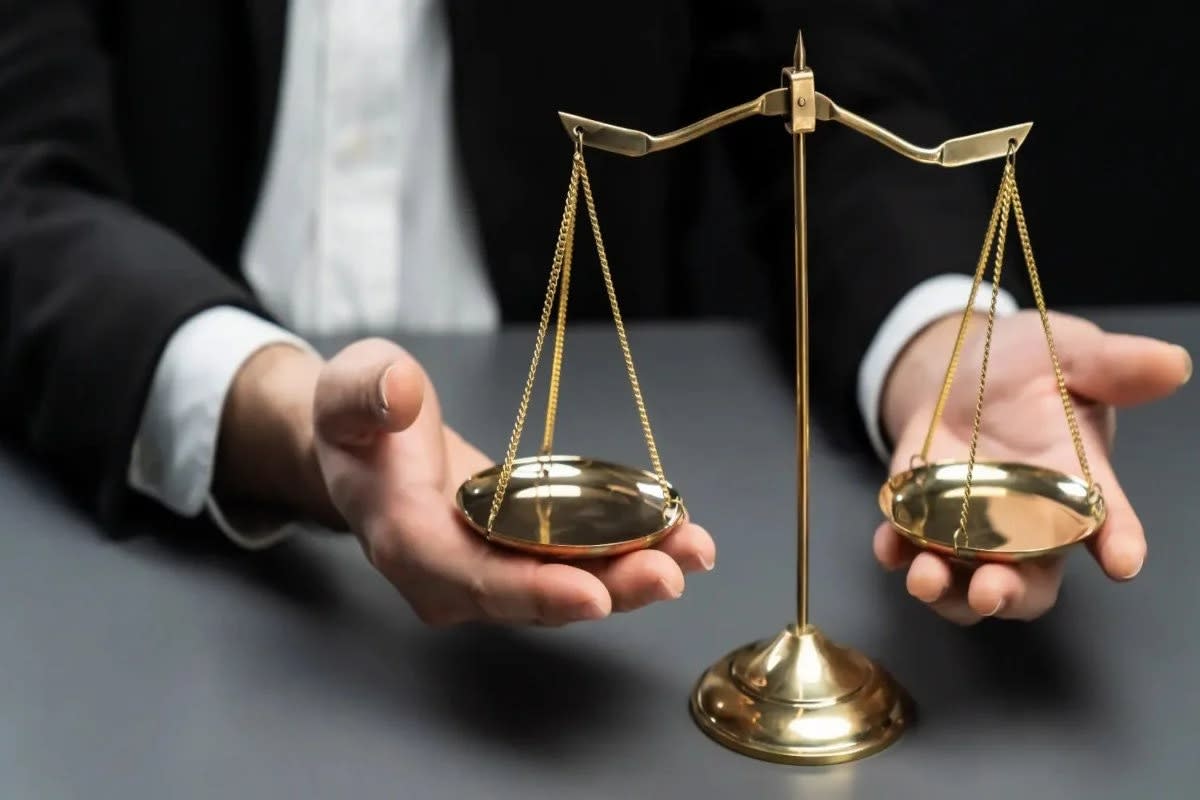
Public faith in the equality of India’s judicial system is increasingly being questioned. The perception that justice is not uniform - that politics, money, influence, and institutional inefficiencies often determine outcomes - has become a topic of growing concern. While each case stands on its own legal footing, the chronic delays in verdicts and the visible disparity in how justice is served have deepened these suspicions. From high-profile political leaders to ordinary prisoners, the unevenness within the system has become too glaring to ignore.
The Jagan Reddy Cases: Delays and Bail Controversies
Former Andhra Pradesh Chief Minister Y.S. Jagan Mohan Reddy has faced multiple cases relating to disproportionate assets and quid pro quo dealings. The Central Bureau of Investigation (CBI) arrested him in 2012, alleging that several corporate investments in his companies were made in exchange for political favors. With around 11 cases in total, the focus has been on complex financial transactions and corporate benefits.
After spending about 16 months in jail, Jagan was granted bail by the CBI special court in September 2013 on a personal bond of ₹1 lakh and two sureties. Remarkably, he has remained out on bail since then, while the cases are yet to reach a conclusion. Despite multiple petitions seeking the cancellation of his bail, the Supreme Court has not revoked it.
The delays stem from several structural issues - shortage of judges, shifting court schedules, adjournments, inter-state jurisdictional changes after bifurcation, and the slow pace of evidence collection.
Chandrababu Naidu Cases: Arrests and Legal Shields
Current Andhra Pradesh Chief Minister N. Chandrababu Naidu faces allegations in several cases - including the Skill Development Corporation scam, Amaravati Inner Ring Road alignment scam, liquor policy, and sand mining irregularities. Arrested in September 2023 in connection with the Skill Development case, Naidu spent several weeks in custody before being granted bail by the High Court. The state government challenged this in the Supreme Court.
In the Inner Ring Road case, the High Court had granted anticipatory bail, which the Supreme Court later examined through a Special Leave Petition. After his political return to power in 2024, reports suggested that certain protections were being extended to him in the pending cases.
Judicial Delays: Causes and Correctives
India’s judicial backlog is staggering - with over 50 million cases pending nationwide. The reasons are well-known: excessive adjournments, shortage of judges, procedural complexity, weak prosecution, and unnecessary appeals. The solution lies in structural reform - through fast-track and special courts, digital case management systems, improved coordination between investigative agencies, and daily hearings in long-pending matters.
The Centre and the Election Commission must work together to strengthen investigative agencies and ensure accountability. Public interest litigation, judicial transparency, and social media scrutiny can also play constructive roles in reform.
Inequality in Practice: The Plight of Ordinary Prisoners
While influential figures secure swift relief, thousands of undertrials languish in Indian jails for years without a verdict. Most belong to marginalized communities. The Supreme Court itself has expressed outrage over reports that even prison labor is sometimes assigned on the basis of caste. In many states, governments fail to comply with court orders - as seen in Uttar Pradesh, where homes of accused persons were bulldozed despite clear Supreme Court warnings.
Activist Umar Khalid has spent over five years in jail without bail, while television anchor Arnab Goswami received bail within a day - even on a court holiday. Critics argue that the judiciary remains dominated by upper-caste elites, leading to calls for greater representation and social diversity in appointments. Recently, a judge’s comment that he delivered a verdict “under divine inspiration” also raised questions about the secular integrity of the institution.
The Road Ahead
Inequality within the justice system poses a grave threat to democracy. Political leaders see endless adjournments, while the powerless endure prolonged suffering. Real reform demands independence, transparency, resources, and accountability. Judicial modernization and social awareness must go hand in hand.
If justice is to be truly equal, the courts must not only be independent but must also appear impartial - for perception shapes trust, and trust is the very foundation of justice.