Exit Polls and Their Reliability: Understanding the Bihar Election Trends
Kranthi Vegesna - MAR 6, 2026
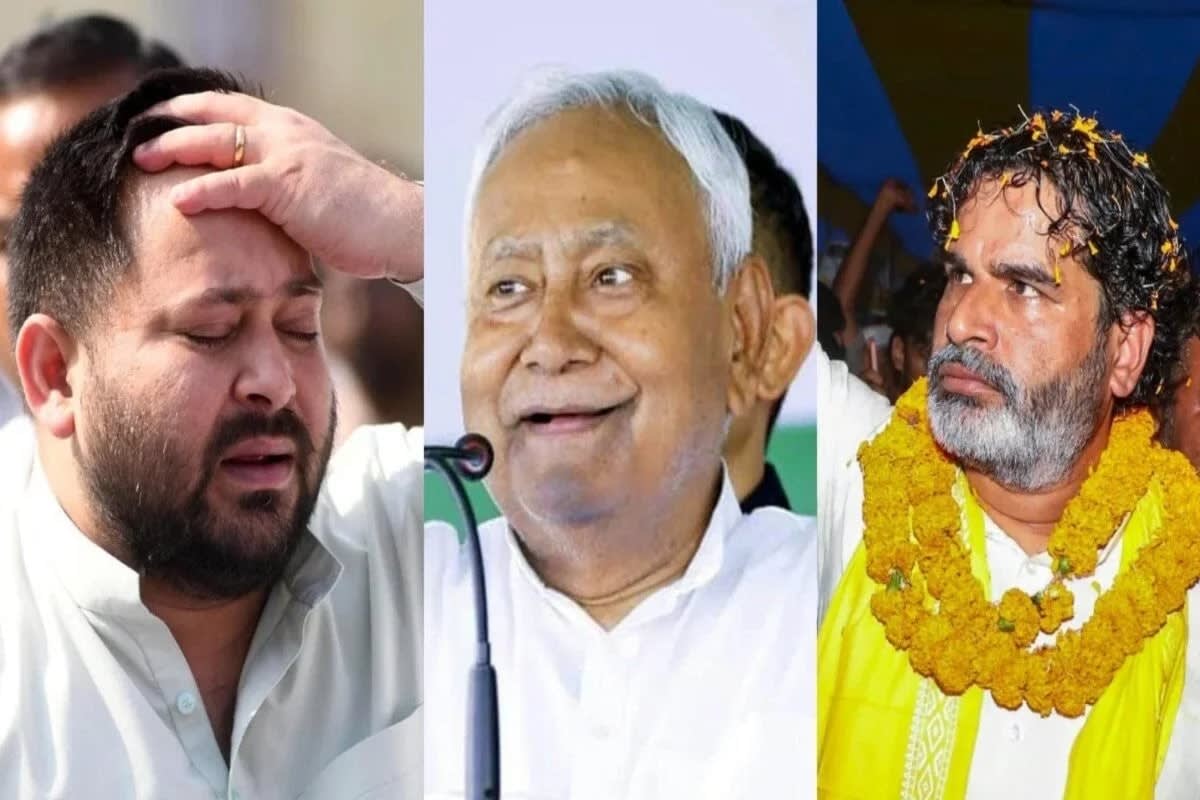
Exit polls have once again taken center stage in Indian politics, particularly during the ongoing Bihar Assembly elections. But what exactly are exit polls - and how reliable are they?
What Are Exit Polls?
Exit polls are surveys conducted immediately after voters cast their votes or once polling concludes, aiming to predict which political party or alliance is likely to win.
In Bihar, most exit polls - including those by Axis My India and other agencies - have suggested a likely win for the NDA alliance led by Nitish Kumar and supported by Prime Minister Narendra Modi.
However, it’s important to remember that exit polls have often failed in the past, especially in states like Bihar. They are indicators, not results, and should be viewed with caution.
High Voter Turnout - What Does It Mean?
This year’s Bihar Assembly elections recorded an impressive 66.91% overall voter turnout, with women voters (71.6%) surpassing men (62.8%) - a trend that has caught analysts’ attention.
Key Implications:
Rising Political Awareness: Higher turnout indicates greater public participation and democratic engagement.
Women’s Empowerment: The record participation of women suggests stronger political awareness and increased influence of women-centric welfare schemes.
Potential for Change: Historically, Bihar has seen government changes when voter turnout rose by over 5%. But this isn’t a fixed rule - higher turnout doesn’t always mean anti-incumbency.
In essence, high turnout is a sign of active citizenship, not necessarily a political verdict.
The Role of Women Voters
The sharp rise in women’s voting percentage is one of the defining features of this election. Analysts believe this reflects the success of government schemes targeting women - including welfare, education, land rights, and employment initiatives.
This new wave of participation indicates a maturing democracy, where women are not just beneficiaries but also decisive political participants.
It also signals to political parties that campaigns must increasingly address women’s aspirations and socio-economic needs.
Why Are Exit Polls Favoring the NDA?
Most exit polls currently indicate a potential victory for the ruling NDA alliance, led by Nitish Kumar.
Reasons cited by political observers include:
Strong female voter turnout, seen as a core support base for Nitish Kumar’s JD(U).
Development schemes and welfare programs reaching rural and backward communities.
Stable governance narrative under the Modi-Nitish partnership.
Yet, as analysts warn, exit polls are not final results. Past trends show that even the most credible polls have missed the mark, especially in complex states like Bihar.
“High Voting = Opposition Advantage”? Not Always.
Some assume that higher voter turnout automatically benefits the opposition or the Mahagathbandhan (Grand Alliance). But that’s not always true.
While increased participation may indicate a desire for change, it could also reflect satisfaction with governance or the mobilization strength of the ruling parties.
Moreover, government welfare schemes - such as direct cash transfers before elections - have visibly influenced public sentiment in many districts.
Sociopolitical analysts note that active voting by women, OBCs, and marginalized groups often stabilizes ruling coalitions rather than disrupting them. Thus, assuming high turnout equals opposition gain is overly simplistic.
Why the Bihar Election Matters Nationally
The Bihar elections hold significance beyond state boundaries:
Bihar’s diverse electorate - including women, laborers, traders, and migrant workers - represents the broader social fabric of India.
A win here could strengthen the NDA’s national political narrative and reaffirm Modi’s leadership ahead of upcoming national elections.
The campaign has also shown the growing importance of social media, targeted welfare policies, and female political participation in shaping voter behavior.
The Final Take
In summary:
Exit polls currently suggest an advantage for the ruling NDA alliance.
The rise in voter turnout and women’s participation reflects a vibrant democratic mood.
High voting does not automatically translate to regime change - results depend on local factors, voter psychology, and ground-level campaigns.
The 2025 Bihar elections are a reminder that Indian democracy is evolving - from emotional politics to welfare-based engagement.
Citizens are voting not just as supporters of parties, but as stakeholders in governance.
Yet, until the official results on November 14, all predictions - including exit polls - remain just that: predictions.