“Historic Shift Ahead? Son of Iran’s Last Shah Calls for Nationwide Action”
Kranthi Shekar - MAR 2, 2026
Introduction: A Nation in Flux
Iran has entered an unprecedented period of political uncertainty following the death of its long-standing Supreme Leader. The passing of such a central figure in the country’s governance has left a significant power vacuum, prompting debates over succession, leadership, and the future direction of the nation.
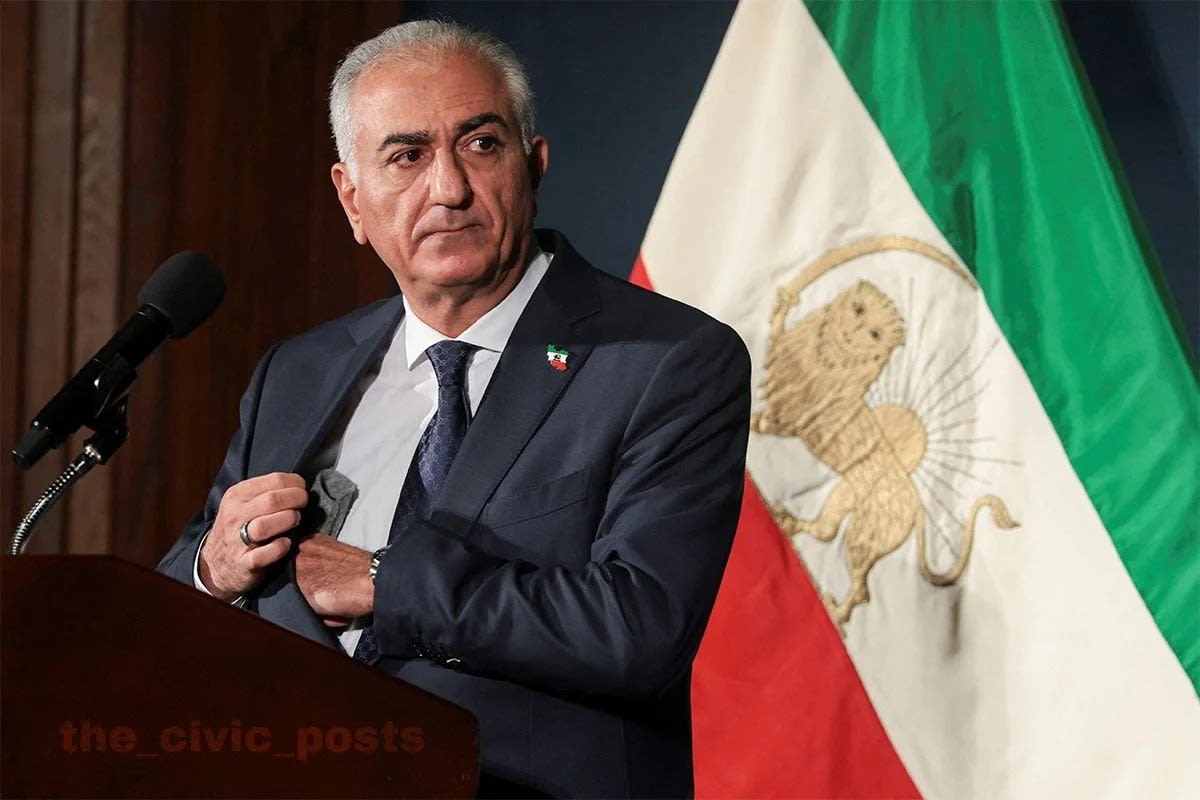
Amid this uncertainty, Reza Pahlavi, the exiled son of Iran’s last monarch, has stepped forward with bold statements about the country’s future. He claims the current theocratic system is nearing its end and urges citizens and members of the country’s security apparatus to prepare for a historic transformation. This moment has captured global attention, as observers recognize the potential for significant political change.
Reza Pahlavi: A Voice from Exile
Reza Pahlavi has lived outside Iran for decades, primarily in the United States, yet he has remained a prominent critic of the Islamic Republic. The son of the late Shah, Mohammad Reza Pahlavi, he positions himself as a symbolic figure for those seeking reform or systemic change in Iran.
In recent statements, Pahlavi emphasized that the death of the Supreme Leader marks a critical juncture. He argues that the regime is now weakened and vulnerable, creating an unprecedented opportunity for ordinary Iranians to assert their role in shaping the nation’s future. His messages encourage unity, vigilance, and collective action aimed at transforming the country’s political landscape.
Unlike his father, who ruled with authoritarian authority, Pahlavi frames his vision around democratic ideals and civil liberties, presenting himself as a facilitator of change rather than a return to monarchy.
A Call to Action for Iranians
Pahlavi has made an urgent appeal to citizens across Iran. He encouraged people to recognize the potential of the current moment to drive systemic change. According to him, the responsibility now lies with ordinary citizens as well as members of the military and security forces to reject continued loyalty to a collapsing system and support a broader civic movement.
He warned against attempts to simply replace the Supreme Leader with another clerical figure, stating that such measures would only prolong the system’s inevitable decline. Instead, Pahlavi stressed the need for coordinated action, emphasizing public engagement and widespread participation as critical elements in shaping the nation’s path forward.
The Leadership Vacuum and Succession Challenges
The death of the Supreme Leader has left Iran with a profound leadership crisis. Traditionally, the next Supreme Leader is selected by a council of senior clerics, yet the current conditions - marked by internal unrest and the passing of key officials - have complicated the process.
Without a clearly designated successor, uncertainty looms over governance, decision-making, and national stability. Analysts suggest that this power vacuum could result in internal struggles among clerical elites or other political actors seeking to assert influence, further heightening tensions within the country.
This situation also raises questions about the future structure of Iran’s government. Will the Islamic Republic maintain its current framework under new leadership, or could these events catalyze a fundamental transformation?
Potential Successors and Internal Debates
Within the country, discussions have begun about who might emerge as a successor to the late Supreme Leader. Candidates often include senior clerics with strong religious credentials or influential figures connected to the country’s military and political institutions.
Some analysts have suggested that powerful internal actors could vie for leadership, creating factions within the government and prompting further debate over the legitimacy of any successor. This uncertainty amplifies the significance of voices like Pahlavi’s, who advocate for a more democratic approach rather than allowing clerical elites to unilaterally decide the country’s future.
Public Sentiment: Hope, Skepticism, and Debate
The reactions of ordinary Iranians are mixed. Many view Pahlavi’s statements as a hopeful sign, offering a vision for greater freedom and participation in governance. Others remain skeptical, pointing to his decades in exile and questioning whether he can effectively influence events on the ground.
There is also concern over a potential return to monarchical symbolism, with some citizens wary of replacing one centralized authority with another. Despite these doubts, the discourse sparked by Pahlavi has encouraged citizens to think critically about their country’s future and their role in shaping it.
The situation has ignited conversations about civil liberties, democratic participation, and the need for systemic reform—debates that have been largely suppressed under the current regime.
International Implications of Iran’s Uncertainty
The leadership crisis in Iran has drawn attention from the international community. The country’s geopolitical influence and strategic position in the Middle East mean that changes in leadership could have wide-ranging consequences, from regional security to global diplomatic relations.
Countries worldwide are closely monitoring developments, aware that instability in Iran could impact trade, energy markets, and security dynamics across the region. The statements from Pahlavi, emphasizing a departure from clerical rule, also highlight potential opportunities for foreign engagement with a more open and democratic Iran in the future.
A Vision for a New Iran
Reza Pahlavi’s vision emphasizes systemic reform rather than the mere replacement of one leader with another. He advocates for a separation of religion and state, the protection of civil liberties, and the establishment of a government accountable to the people.
Pahlavi frames himself not as a monarch seeking to reclaim power, but as a transitional figure supporting citizens in guiding the nation toward a democratic and inclusive system. This vision, while ambitious, provides a framework for discussions about what Iran could become if the current political structures are fundamentally reshaped.
Conclusion: A Defining Moment in Iranian History
Iran now stands at a historic crossroads. The death of the Supreme Leader, coupled with Reza Pahlavi’s calls for change, has created a rare moment of potential transformation. Citizens, political elites, and the international community all face questions about the direction the country will take.
While uncertainty remains, this moment could mark the beginning of a significant shift in Iran’s political landscape. The coming months will be critical in determining whether the country experiences meaningful reform, maintains continuity under a new clerical leader, or faces prolonged instability.
What is certain is that Iran is witnessing a pivotal chapter in its history, with the future of governance, civil liberties, and national identity all hanging in the balance. The nation now faces the opportunity to redefine itself, guided by the voices and choices of its people.