Investigative Journalism – The Forgotten Truth
Kranthi Vegesna - MAR 6, 2026
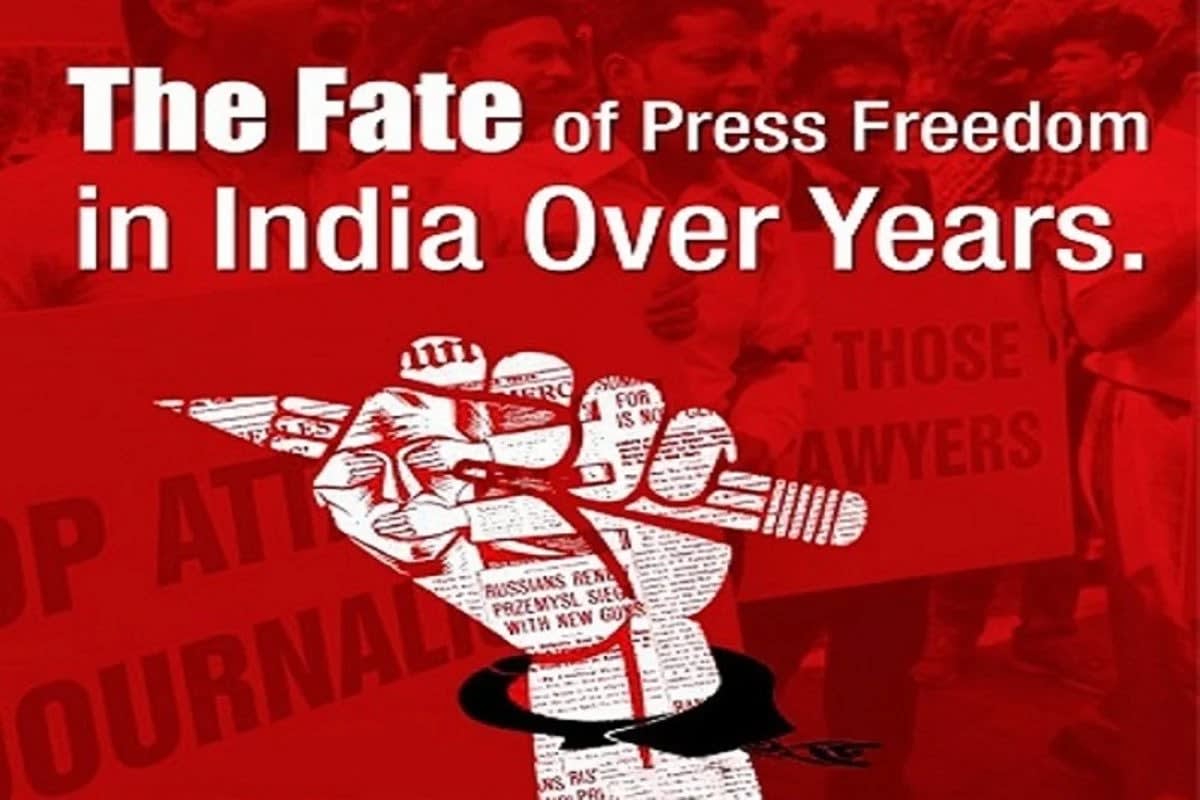
Before 2014, investigative journalism in India stood as a vibrant and fearless pillar of democracy. It served as a powerful weapon in the hands of the press - unearthing corruption among bureaucrats, illegal activities of politicians, misuse of public funds, and the unethical practices of business magnates.
National media houses like The Indian Express, The Hindu, and Times Now, along with many regional publications, were bold enough to publish deep, factual investigations. When a journalist exposed corruption, people believed the report without hesitation. Journalism was then seen as a mirror reflecting the truth - an institution that held power accountable.
However, over the last decade, that reality has changed drastically.
The Threat to Media Independence
After the 2014 general elections, the independence of the media began to erode. Large media conglomerates were gradually tied to political and corporate interests. News outlets that supported the government’s narrative received advertisements, exclusive interviews, and favorable contracts. Those that questioned power, however, faced financial pressure, legal threats, income tax raids, or sedition cases.
In this climate of fear, many journalists stopped writing critical stories. Some migrated to independent online platforms, but mainstream media largely became an extension of the ruling establishment. Among the public, this has come to be mockingly referred to as “Godi Media” - outlets that sit comfortably on the government’s lap, echoing only its voice.
The Adani Case – A Global Example
Recently, the U.S. Federal Bureau of Investigation (FBI) and the Department of Justice (DOJ) began an inquiry into the Adani Group - a development widely discussed in international media. Prestigious outlets like The Washington Post analyzed internal Indian government documents, revealing how Life Insurance Corporation of India (LIC), a state-owned entity, had channeled around $3.9 billion into Adani companies.
While the investigation gained global traction, most major Indian newspapers and channels either ignored or downplayed it. Only a handful of online journalists and independent platforms highlighted the issue for the Indian public.
This silence speaks volumes - it exposes the grim reality that Indian mainstream media is no longer operating freely, even when international scrutiny shines a light on issues of national importance.
Why Investigative Journalism Has Lost Its Edge
Political Pressure:
Most media owners today are major industrialists with deep business ties dependent on government approvals. Journalists, therefore, cannot write freely without risking repercussions for their employers.
Economic Dependence:
Government advertising is a primary source of revenue for newspapers and TV networks. A withdrawal of these ads can financially cripple them. Consequently, criticizing the government becomes an act of risk rather than responsibility.
Fear of Legal and Institutional Retaliation:
Even factual reporting can lead to defamation suits or sedition charges. This atmosphere of intimidation discourages journalists from speaking truth to power.
The Social Media Distortion:
Trolling, fake news, and organized propaganda have flooded online spaces, making it increasingly difficult for the public to distinguish truth from deception.
The Decline of Journalistic Integrity
There was a time when “working for the truth” was the soul of journalism. Today, ratings, views, and advertising revenue define the industry. Sensation has replaced substance.
Television anchors often act like political spokespersons rather than neutral professionals. Talk shows that once debated policy and public issues have now turned into partisan battlegrounds. The public, caught between spin and spectacle, no longer knows what - or whom - to trust.
Awakening the Public
Media is the fourth pillar of democracy. If that pillar weakens, the entire structure of democracy collapses. Citizens, therefore, must remain alert and discerning.
Verify every news item through multiple credible sources.
Support independent media outlets and ethical journalists.
Refrain from forwarding unverified or fake news.
Remember that questioning the government is not anti-national - it is an act of democracy itself.
Hope for the Future – The Digital Rebirth
A new generation of journalists is reviving investigative reporting through independent digital platforms, YouTube, and social media. Outlets like The Wire, Scroll, Newslaundry, and Alt News continue to pursue the truth with courage, despite limited resources.
These voices, though small, carry immense integrity. If such efforts grow stronger, Indian journalism may yet reclaim its true purpose - to serve the people, not power.
In Conclusion
Investigative journalism in India was once a sword that fought for citizens. Today, it stands weakened - bent under political and corporate influence. Yet, truth never dies. A few independent voices and fearless pens still carry the torch forward.
The day is not far when independent journalism will rise again. Because if media loses its freedom, democracy loses its breath.
“Questioning the government is not treason - it is the breath of democracy.”
Every journalist, every citizen, must remember this truth.