Jagan’s Paramarsa Tours Becoming a Repeated Political Pattern..
Kranthi Shekar - FEB 17, 2026
YS Jagan Mohan Reddy’s political activities after stepping down from power have increasingly revolved around one familiar method - the Paramarsa Yatra. These condolence visits, which are meant to console families of party workers, supporters, or leaders facing difficult circumstances, have now become a recurring feature in his public engagements. While such visits are common in Indian politics, the frequency and pattern in Jagan’s case have created a strong debate across Andhra Pradesh.
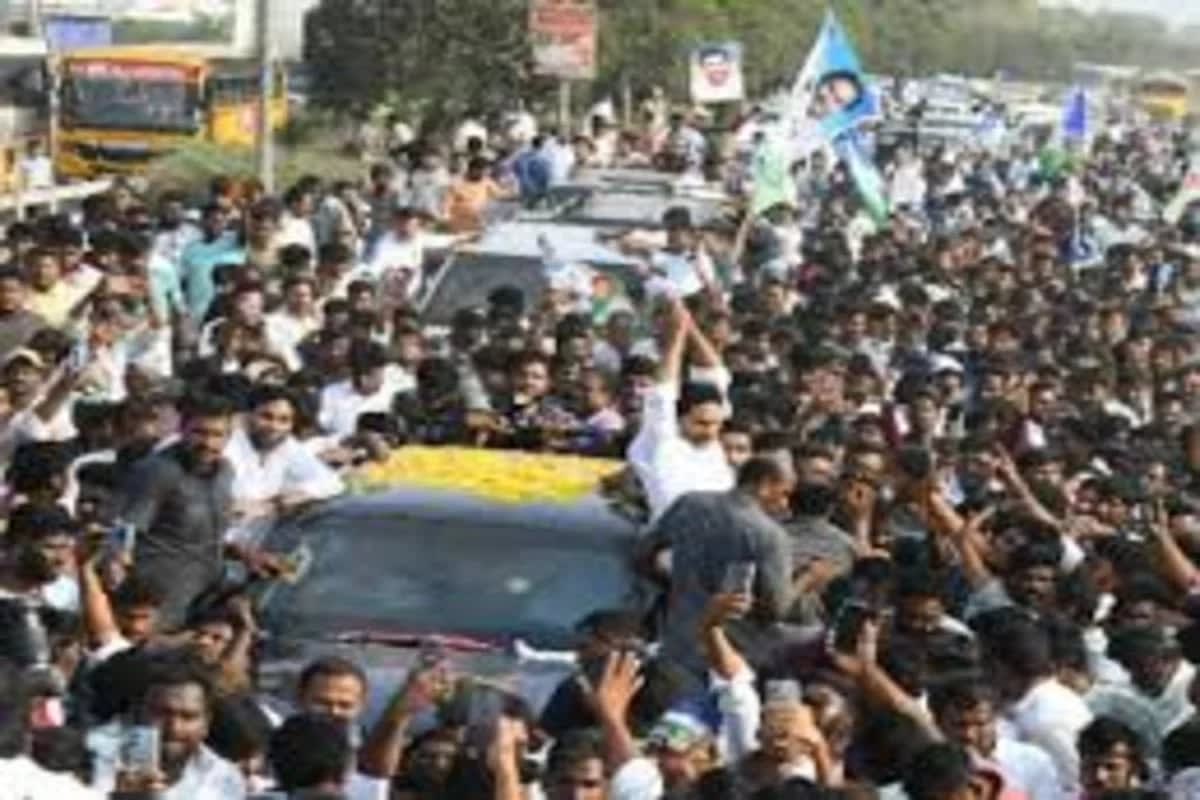
At one level, these yatras appear to be an emotional outreach program. A leader visiting grieving families, meeting supporters in distress, and offering moral support is not unusual. But what makes Jagan’s Paramarsa Yatras stand out is the way they often turn into major political events. Instead of remaining limited to a quiet visit, many of these tours attract huge crowds, large convoys, and an atmosphere that resembles a rally. Party workers gather in big numbers, slogans are raised, and the event becomes a display of strength for the YSR Congress.
This has led many observers to believe that Paramarsa Yatras are no longer just sympathy tours but a strategic political tool. For a leader in opposition, staying visible is critical. When a party is not in power, it naturally loses media space because the ruling government dominates attention through policies, announcements, and official programs. In such a scenario, a leader needs a strong ground-level approach to remain active and connected. Jagan’s repeated tours serve that purpose. Each visit ensures he stays in the news, keeps his party cadre energized, and maintains his presence in public discussions.
Another key factor is how these yatras help Jagan strengthen loyalty within his party. After an election defeat, political parties often face internal instability. Cadres lose motivation, leaders at local levels feel insecure, and the party structure weakens. Jagan seems to be countering this by directly meeting supporters and party workers. Every visit sends a message that he has not abandoned them and that he continues to stand by his people even when the party is out of power. This emotional reassurance can be extremely powerful, especially for grassroots workers who depend heavily on leadership support.
The crowd factor also plays an important role. Wherever Jagan goes, thousands of supporters gather, creating visuals that project political strength. This works in two ways. First, it boosts the confidence of YSR Congress supporters by showing that the party still has public backing. Second, it acts as a message to rival parties that Jagan still has the ability to mobilize people. In modern politics, such visual power is crucial because it shapes public perception. Even without holding government authority, a leader who can attract crowds is often seen as a strong contender for the future.
However, the growing pattern of these yatras has also attracted criticism. Many argue that condolence visits should not be transformed into political spectacles. Large gatherings often lead to traffic disruptions and inconvenience to the public. Security arrangements become complicated, and local administration faces pressure to control crowds. Critics question whether it is responsible to turn emotional outreach into mass mobilization events. They also point out that repeated large-scale visits can create unnecessary tension, especially if crowd control is not handled properly.
Another major point of discussion is the nature of the people or incidents linked to some of these yatras. In several cases, Jagan has visited party leaders or individuals who have faced legal issues, arrests, or serious allegations. This has become a controversial aspect of his outreach. Supporters argue that many of these cases are politically motivated and that a leader must stand with his party workers when they are under pressure. Critics, however, feel that such visits may send the wrong signal and create an impression that the party is defending controversial figures rather than focusing on public issues.
Still, from a political strategy perspective, these yatras help Jagan control the narrative. Whenever the party faces negative attention, his visit can shift the focus from allegations to emotions. Instead of discussing only the controversy, public conversation begins to revolve around sympathy, family suffering, and political targeting. This shift often works in favor of the opposition because emotional narratives are more powerful than legal arguments in public perception. Jagan has always been known for using emotional connection as a key part of his political identity, and these tours fit naturally into that approach.
At the same time, there is a risk of overusing this strategy. If Paramarsa Yatras become too frequent, people may begin to see them as routine political theatre rather than genuine concern. The emotional impact of condolence visits works only when it feels sincere and rare. When repeated again and again, the public may start questioning the intention behind them. This could eventually reduce their effectiveness and lead to fatigue among voters who expect opposition leaders to focus more on governance issues, policy debates, and alternative development plans.
Another challenge is that while these yatras strengthen cadre loyalty, they do not automatically translate into political success unless supported by a strong agenda. Voters often want opposition leaders to raise pressing issues like employment, price rise, farmer welfare, and development gaps. If the opposition is seen as focusing mainly on party-related sympathy visits, critics may argue that it lacks a broader vision. Therefore, the real test for Jagan will be whether he can balance emotional outreach with strong political messaging.
Despite the criticism, it is clear that Paramarsa Yatras have become an important tool in Jagan’s opposition strategy. They keep him connected with the grassroots, ensure that his party cadre remains active, and allow him to remain visible in Andhra Pradesh politics. They also help him project the image of a leader who stands with his people during difficult times, which is a valuable political narrative.
In the coming months, these tours may continue to play a major role in shaping the political climate of the state. Whether the public views them as genuine sympathy visits or calculated political moves will depend on how they are conducted and how the message is framed. For now, one thing is certain -the Paramarsa Yatra has become more than a condolence tour. It has turned into a repeated political pattern that reflects Jagan’s effort to rebuild momentum, strengthen party unity, and prepare for the future electoral battle in Andhra Pradesh.