Justice in Progress: India’s Balancing Act Between Tradition and Transformation
AKI - MAR 4, 2026
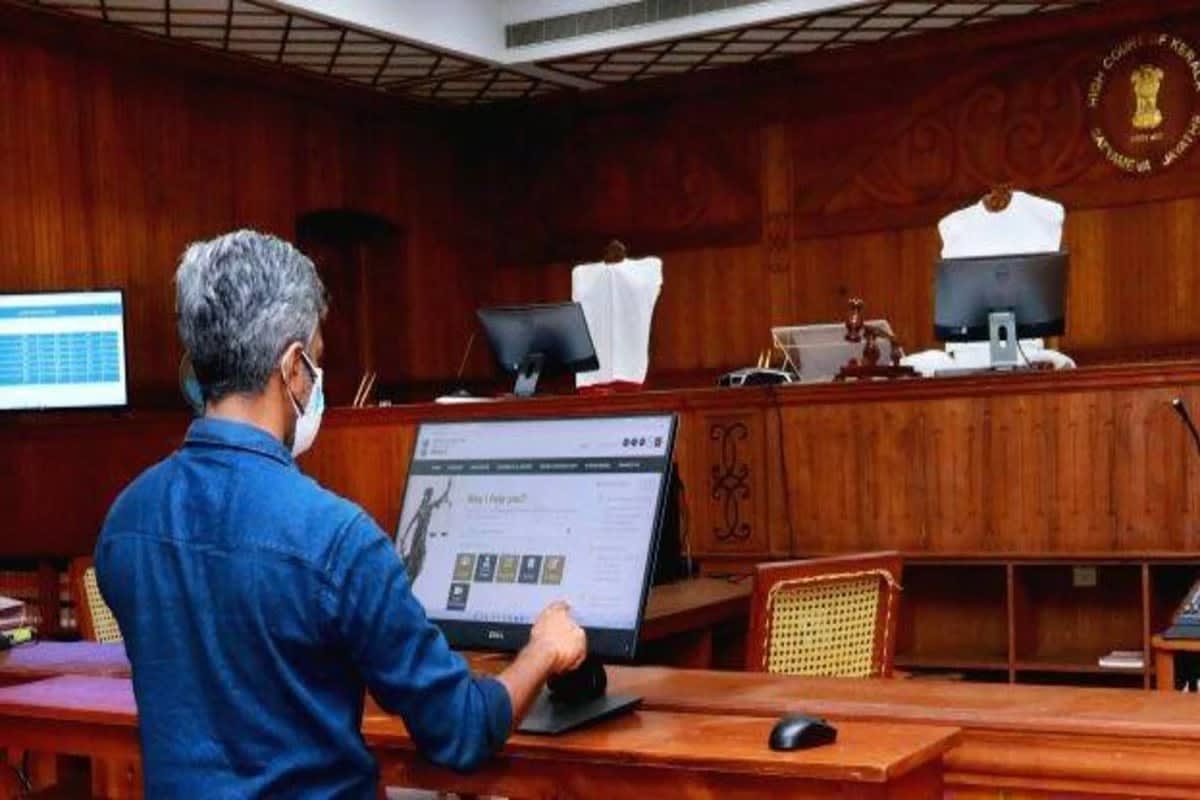
When a lawyer recently hurled a sandal at a Supreme Court justice in New Delhi, the act stunned the nation - not merely for its audacity but for what it revealed. Beneath the outrage was a deeper public reflection: how far has India’s justice system come, and how much further must it go? The incident, though isolated, reopened conversations about faith, reform, and the evolving relationship between citizens and their courts.
The World Justice Project (WJP) Rule of Law Index 2024 provides an important lens on that evolution. The index ranks 142 countries on eight parameters - constraints on government power, absence of corruption, open government, fundamental rights, order and security, regulatory enforcement, civil justice, and criminal justice. India stands at 79th place with a score of 0.50, which is the same score as 2022, reflecting institutional stability. For a country managing over 1.43 billion people and vast linguistic, cultural, and economic diversity, this stability reflects both institutional endurance and a commitment to gradual reform, placing India ahead of peers like the Philippines and far above Pakistan.
Criminal vs. Civil Justice: A Misunderstood Divide
Public concern about India’s case backlog is not unfounded - the National Judicial Data Grid (July 2024) reports over 50 million pending cases. Yet nearly 80% of these involve civil and family matters such as property, inheritance, or matrimonial disputes rather than violent crime. India’s homicide rate of 2.9 per 100,000 people (UNODC, 2023) remains well below the global average of 5.8, indicating that while courts are congested, the country’s broader social fabric remains largely peaceful. In essence, India’s justice challenge is more administrative than existential.
Safety Amidst Scale
Despite its immense size, India’s urban safety record offers quiet reassurance. The National Crime Records Bureau (2023) ranks cities like Bengaluru, Pune, and Chennai among the safest metros based on violent crime per capita. Even Delhi - often criticized for its statistics - recorded a 9% decline in major violent crimes between 2019 and 2023, reflecting the impact of improved policing and surveillance. These trends suggest that beneath the noise and congestion, India’s rule of law continues to function with stability.
Justice Reforms and Digital Transformation
Judicial reform, though gradual, is taking shape. The e-Courts Mission Mode Project (Phase III, 2023) has digitized over 23 crore (230 million) case records, enabling online access across 18,000 courts. Video hearings, paperless filing, and the use of regional languages in proceedings are bridging barriers that once alienated ordinary citizens. Additionally, Fast-Track Courts and Lok Adalats are helping clear backlogs - over 1 crore cases were resolved through Lok Adalats in 2023, according to the National Legal Services Authority. These efforts demonstrate that reform is underway, even if progress often escapes headlines.
Pluralism: India’s Unwritten Constitutional Strength
India’s justice system functions within a plural, multilingual, and multi-religious society - one of the most diverse democracies in the world. That diversity has long been its moral and constitutional strength. Yet, growing debates around cultural homogenization have reminded the nation of the delicate balance between unity and uniformity. As constitutional historian Granville Austin noted, India’s founding vision sought to “accommodate diversity, not suppress it.” Safeguarding that plural spirit is essential - for without it, the rule of law risks losing the very inclusivity that defines Indian democracy.
A Forward Path
India’s justice system, while imperfect, continues to evolve through rising legal literacy, digital reforms, and growing civic awareness. The sandal-throw incident, though regrettable, should not be mistaken for a loss of faith but seen as a moment for reflection - a reminder that justice is not solely the duty of courts and lawmakers. The rule of law thrives when citizens uphold it in everyday life: by respecting rules, fulfilling civic duties, and ensuring fairness in their own conduct.
Despite its resilience, the system faces long-standing structural challenges. India continues to grapple with a severe shortage of judges, outdated procedural laws, and limited accountability for delays - issues that digitization alone cannot fix. While e-courts and online access promise transparency, without deep reform in judicial recruitment, administrative efficiency, and case management, the system risks remaining ill-equipped to meet its growing mandate.
Yet, India’s judiciary endures as one of the nation’s most trusted institutions, consistently upholding due process and hearing all sides before judgment. The goal now is not merely to improve global rankings but to strengthen the everyday ecosystem of trust between citizens, institutions, and the Constitution. Justice in India has never been about perfection - it has always been about perseverance. And as long as that spirit endures, the journey will remain one of steady, undeniable progress.


