“No Stoppage, No Delay: Delhi’s New Toll System Changes Highway Travel Forever”
Alekhya Kota - MAY 12, 2026
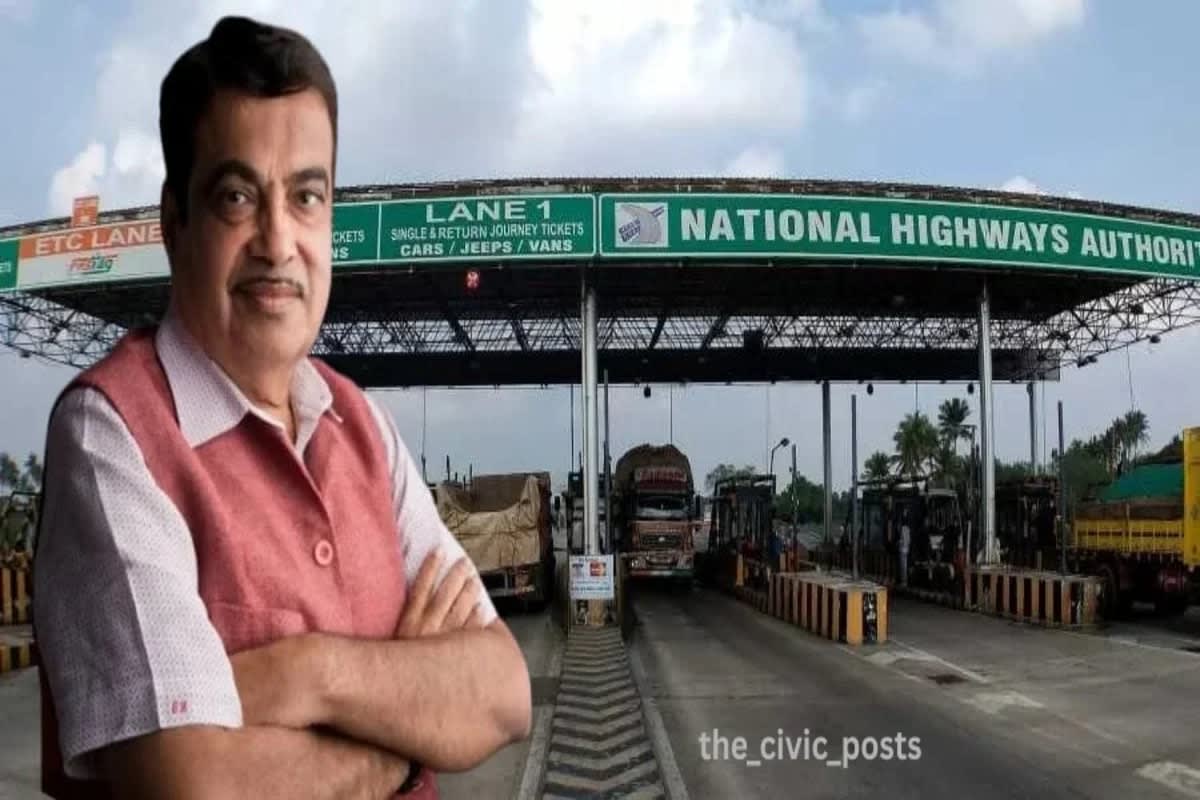
Union Minister Nitin Gadkari has inaugurated a barrier-less toll collection system at the Mundka–Bakkarwala toll plaza on Urban Extension Road-II (UER-II) in Delhi, marking another step in India’s move toward fully digital and seamless highway travel. The new system replaces the traditional toll booth model where vehicles have to slow down or stop, and instead allows traffic to move continuously without physical barriers.
This upgraded tolling setup is based on the Multi-Lane Free Flow (MLFF) system, which is designed to keep vehicles moving at normal speed while toll charges are collected automatically in the background. The idea is simple but transformative-remove stoppages, reduce congestion, and make highway travel smoother, especially in high-density urban corridors like Delhi.
The technology powering this system combines FASTag-based electronic toll collection with Automatic Number Plate Recognition (ANPR) cameras. FASTag, already widely used across Indian highways, enables automatic deduction of toll charges linked to a user’s account. ANPR cameras complement this by capturing vehicle registration numbers in real time, ensuring that every passing vehicle is accurately identified even without stopping.
Together, these systems allow toll processing to happen instantly as vehicles pass through the designated zone. Drivers no longer need to slow down or interact with toll booths, which significantly reduces delays and improves traffic flow.
One of the biggest advantages of this barrier-less model is the reduction in congestion. Traditional toll plazas often become bottlenecks, especially during peak hours or holiday travel periods, when long queues form and vehicles spend unnecessary time waiting. On busy stretches like UER-II, even small delays can lead to major traffic build-ups. The new system directly addresses this issue by removing the need for stoppages altogether.
The Mundka–Bakkarwala toll plaza is now the first barrier-less facility in Delhi and among the early examples of such systems in India. It reflects a broader push by the government to modernise highway infrastructure and integrate smarter technologies into everyday transportation.
Beyond saving time, the system is also expected to improve fuel efficiency and reduce emissions. When vehicles stop and restart repeatedly at toll booths, they consume more fuel and contribute to higher pollution levels. With continuous movement now possible, fuel wastage is reduced, and overall emissions are expected to come down. This is particularly important in a city like Delhi, where air quality remains a major concern.
The barrier-less tolling system is also part of a larger national vision to create a fully digital highway network. Over the past few years, FASTag has already replaced manual toll payments in most parts of the country, improving transparency and reducing cash handling. The introduction of MLFF systems is the next stage in this evolution, where even the need for physical toll plazas is gradually reduced.
Officials believe that more such systems will be introduced on other major highways in the coming years. The long-term goal is to create a unified, automated tolling ecosystem where vehicles move seamlessly across the country without stopping at any point for toll payment.
For commuters, this change means a smoother and faster travel experience. Daily travellers, logistics operators, and long-distance drivers are likely to benefit the most, as travel times become more predictable and efficient. For transport systems, it also means better road capacity utilisation and fewer traffic management challenges at toll points.
The launch of the barrier-less toll plaza at UER-II represents a significant shift in how road infrastructure is being designed and operated in India. Instead of focusing only on physical expansion, there is now a stronger emphasis on technology-driven solutions that improve efficiency and user experience.
As this system expands to more locations, it has the potential to reshape highway travel across the country. What was once a routine stoppage at toll booths could soon become a completely uninterrupted journey, reflecting a new era of smart and connected mobility on Indian roads.