Political Storm in India as Rahul Gandhi Faces Suspension Move While Bangladesh Votes for Change
Kranthi Shekar - FEB 16, 2026
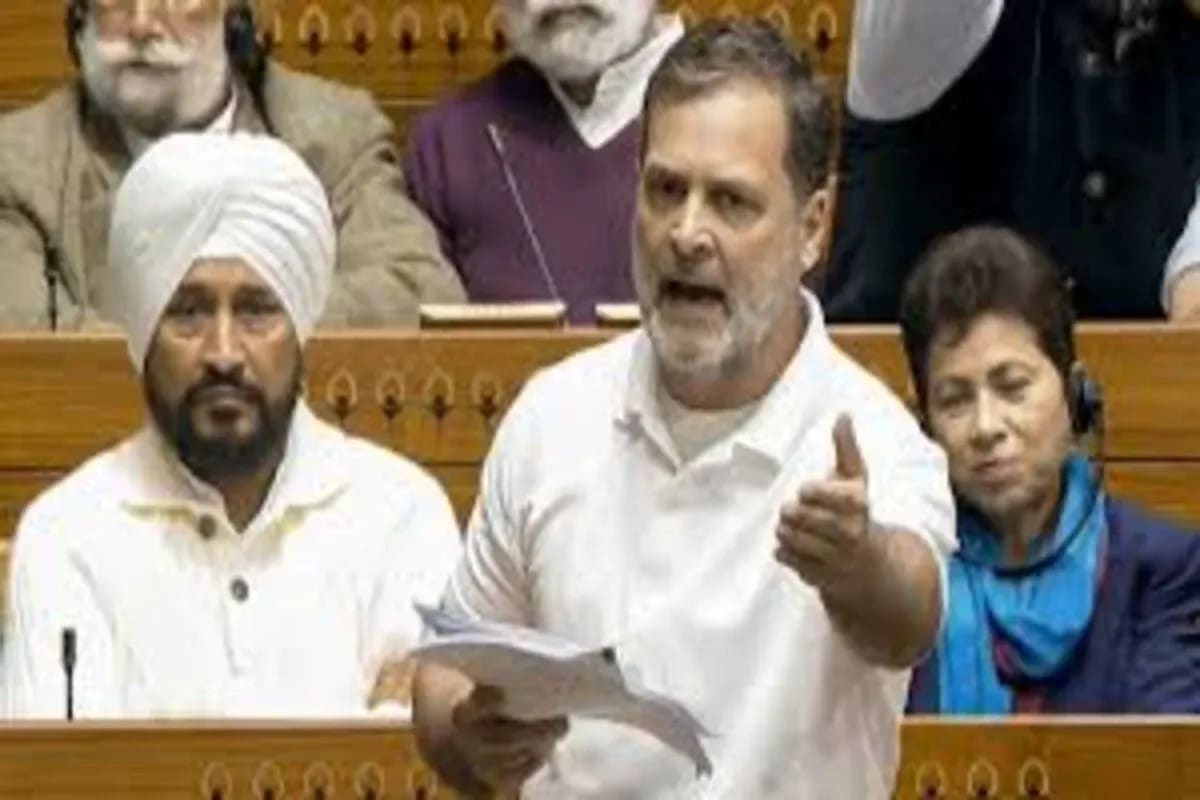
February 12, 2026, has emerged as a highly eventful day in South Asia, with major political developments unfolding both within India and across its eastern border in Bangladesh. In India, the focus is on a dramatic escalation in the political confrontation between the ruling Bharatiya Janata Party (BJP) and the opposition Indian National Congress, as the BJP has moved a motion in Parliament seeking the suspension of Rahul Gandhi’s membership. At the same time, Bangladesh is holding nationwide elections that could reshape its political landscape, making this day a turning point for democracy in the region.
BJP Pushes to Suspend Rahul Gandhi from Parliament
The motion introduced by the BJP has intensified political tensions in India. Party leaders allege that Rahul Gandhi, who serves as the Leader of the Opposition, has engaged in actions that they describe as detrimental to the nation’s interests. The BJP’s move calls for the suspension of his parliamentary membership, citing claims that his behavior in political and public discourse crosses certain boundaries deemed inappropriate by the ruling establishment.
The Congress party has strongly opposed this development, arguing that it is a politically motivated attempt to silence dissent. Senior leaders from the party, including Priyanka Gandhi Vadra, condemned the motion, calling it an attack on the democratic norms that ensure a vibrant opposition within the Parliament. Rahul Gandhi’s position as Leader of the Opposition is constitutionally significant, meant to provide checks and balances against the ruling party, and his potential suspension raises concerns about the functioning of parliamentary democracy.
This political clash highlights the increasingly polarized nature of Indian politics, where debates often spill over into high-stakes confrontations. Supporters of Rahul Gandhi see this as an effort to weaken the opposition ahead of future elections, while the ruling party maintains that such steps are necessary to uphold accountability. The move is expected to dominate parliamentary proceedings in the coming weeks, with debates, protests, and counter-statements shaping the political narrative.
Bangladesh Holds Landmark Elections
While India grapples with internal political tension, Bangladesh is witnessing a historic election day. Millions of voters across the country are casting their ballots for the national legislature, marking the first parliamentary election after significant political unrest in previous years. This election is being closely watched as a potential turning point for democratic governance in the country.
The main political parties contesting the elections include longstanding national parties as well as newer movements that have emerged from recent public protests and civic activism. The election campaign has focused on promises of democratic renewal, economic stability, and social justice. In addition, there is heightened attention on issues such as minority rights, governance reforms, and transparency in the electoral process.
Bangladesh’s election is significant not only for the citizens of the country but also for regional stability. The outcome will likely influence policies, bilateral relations, and broader South Asian geopolitics. Observers are closely watching voter turnout, the conduct of polling, and the acceptance of results, as these factors will determine whether the elections successfully consolidate democratic processes or exacerbate existing tensions.
Regional Implications
The simultaneous developments in India and Bangladesh underscore the dynamic and interconnected nature of South Asian politics. India’s internal parliamentary dispute reflects the ongoing challenges of managing opposition voices in a highly polarized political environment. At the same time, Bangladesh’s election represents both a challenge and an opportunity for democratic consolidation in a nation that has witnessed political turbulence in recent years.
Both countries’ political events demonstrate the importance of democratic processes, transparency, and citizen participation. They also highlight the broader regional context in which domestic politics can have cross-border implications. Stability, fair governance, and respect for institutional norms remain key concerns that resonate across national boundaries.
Public and Political Reactions
In India, the motion against Rahul Gandhi has sparked widespread debate among citizens, political analysts, and media observers. While supporters of the BJP view the move as a legitimate effort to maintain accountability, opposition supporters see it as an overreach designed to suppress political dissent. The clash has intensified discussions on the role of parliamentary debate, freedom of expression, and democratic responsibility.
In Bangladesh, voters have approached the polls with a sense of historic significance. Citizens are motivated by hopes for political renewal, better governance, and socio-economic reforms. Election day has been marked by high voter engagement and anticipation, with people expressing a keen desire for fair and transparent outcomes.
Conclusion
February 12, 2026, will likely be remembered as a pivotal day in South Asian politics. In India, the BJP’s move to suspend Rahul Gandhi has intensified political confrontation, raising questions about the functioning of parliamentary democracy and the balance of power between ruling and opposition parties. Meanwhile, Bangladesh’s elections represent a moment of potential transformation, offering citizens an opportunity to influence their nation’s future and strengthen democratic institutions.
Together, these events reflect the vibrant yet challenging nature of politics in the region, highlighting how leadership, public participation, and institutional integrity shape the democratic experience. As the day unfolds and results begin to take shape, South Asia remains a region where political developments continue to capture global attention and influence regional stability.