TTD’s Temple Resolution: Dalit Colonies Need Infrastructure, Not Symbolism
Kranthi Vegesna - MAR 6, 2026
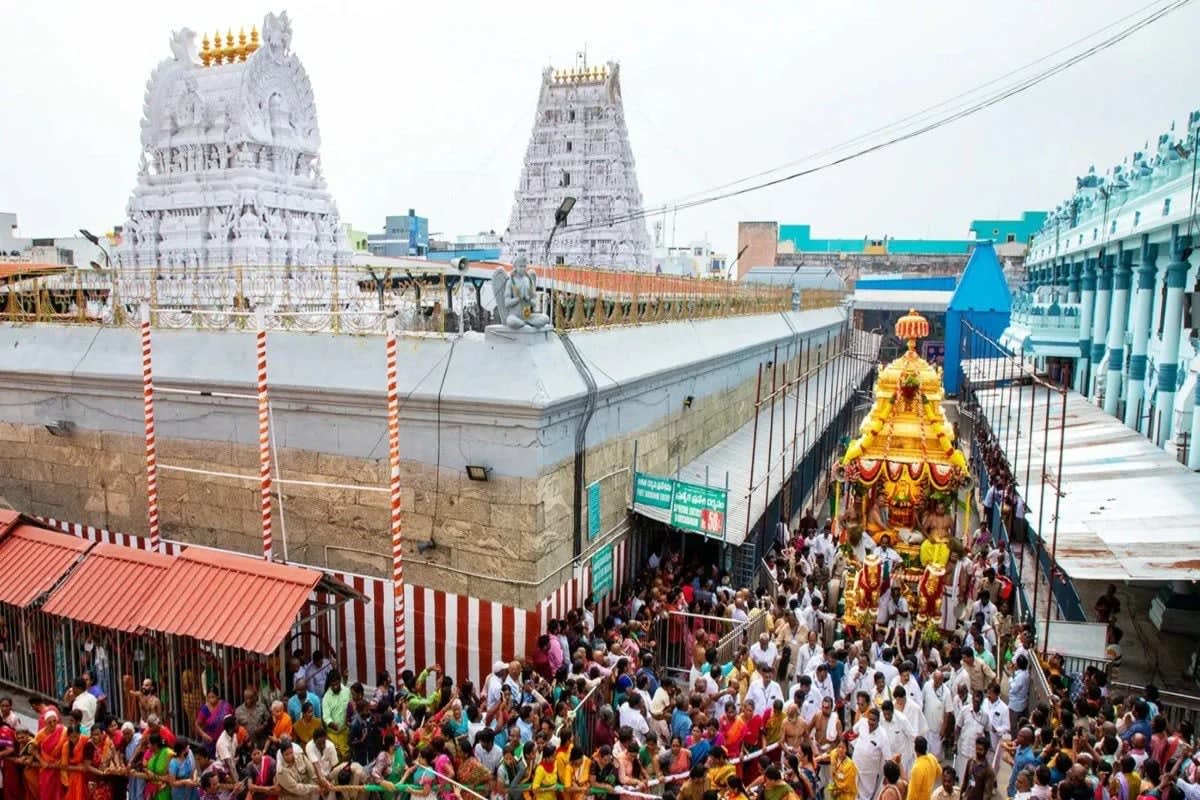
The latest resolution passed by the Tirumala Tirupati Devasthanams (TTD) board has stirred debate across Andhra Pradesh. The board’s decision to construct 1,000 temples in Dalit colonies-aimed at preventing religious conversions-has been hailed by TTD Chairman B.R. Naidu as a “historic step to preserve Sanatana Dharma.” However, voices from Dalit communities and social experts argue that what these colonies truly need are roads, schools, and water supply, not just temples.
Good Intentions, But Misplaced Priorities?
At its meeting on September 17, 2025, the TTD board approved a plan to build up to six temples in each of the 175 Assembly constituencies, to be funded through the SRIVANI Trust. The Chairman claimed that this was part of a larger mission to “protect Hindu dharma and prevent conversions.” Chief Minister N. Chandrababu Naidu and other members of the board welcomed the move.
Yet, many Dalit groups have questioned the real priorities behind the resolution. Article 25 of the Indian Constitution clearly states that every adult citizen has the freedom to choose their religion. “Building temples in Dalit colonies is fine, but how will they serve people without proper roads, electricity, or water?” activists ask.
The Ground Reality: Data Reveals Deep Inequality
Dalits (Scheduled Castes) constitute around 1.39 crore of Andhra Pradesh’s 5.35 crore population-about 16.4% of the total. Nearly 80% of them live in rural areas, spread across more than 5,000 Dalit colonies, according to civil society estimates.
But infrastructure in these colonies paints a grim picture:
Roads: Only 60–70% of Dalit colonies have proper road connectivity. Despite the Centre announcing ₹5,233 crore for 272 km of new highways in 2025 (AIIB report), rural Dalit habitations still lack cross-drainage and access structures.
Water & Electricity: Only half of the colonies have piped water, and even then, electricity supply remains unreliable-stable in only 70–80% of areas (as per Y.S. Sharmila’s critique in Devdiscourse, September 2025). ₹5,500 crore power projects announced this year largely target urban expansion.
Education: While the state’s average literacy stands at 72.6% (PLFS 2023–24), literacy among Dalit sub-groups such as Mala and Madiga ranges between 40–60% (Business Standard, September 2024). The Citizens for Justice and Peace (CJP) report noted 113 caste-based violence incidents in the first half of 2025 alone.
“Temples may reform minds, but libraries transform lives,” Dalit organizations emphasize. They propose that the government should instead build one library per village (costing ₹10–20 lakh each), which could improve literacy and foster economic self-reliance.
Government’s Role: Time for Structural Change
While Union Minister Nitin Gadkari lauded Andhra’s infrastructure growth under Chief Minister Naidu-claiming roads rival those in the U.S.-Dalit settlements continue to lag behind. Leaders like Y.S. Sharmila have urged the state to prioritize schools and roads over temples.
Civil society groups suggest that TTD should rework its plan to fund “hybrid projects”-combining temples with community libraries or skill centers. Such an approach could uphold faith while also fostering development.
Toward Inclusive Equality
The TTD’s resolution may stem from noble intent, but real empowerment for Dalit communities lies not in religious symbolism but in education, employment, and infrastructure. The state government could take a transformative step by launching a “Dalit Development Index” within 90 days to track progress in housing, health, literacy, and livelihoods.
If implemented sincerely, Andhra Pradesh could become a model for inclusive governance, where faith and development coexist-not compete.