US–India Trade Tensions: High Stakes for Economies and Alliances
AKI - MAR 4, 2026
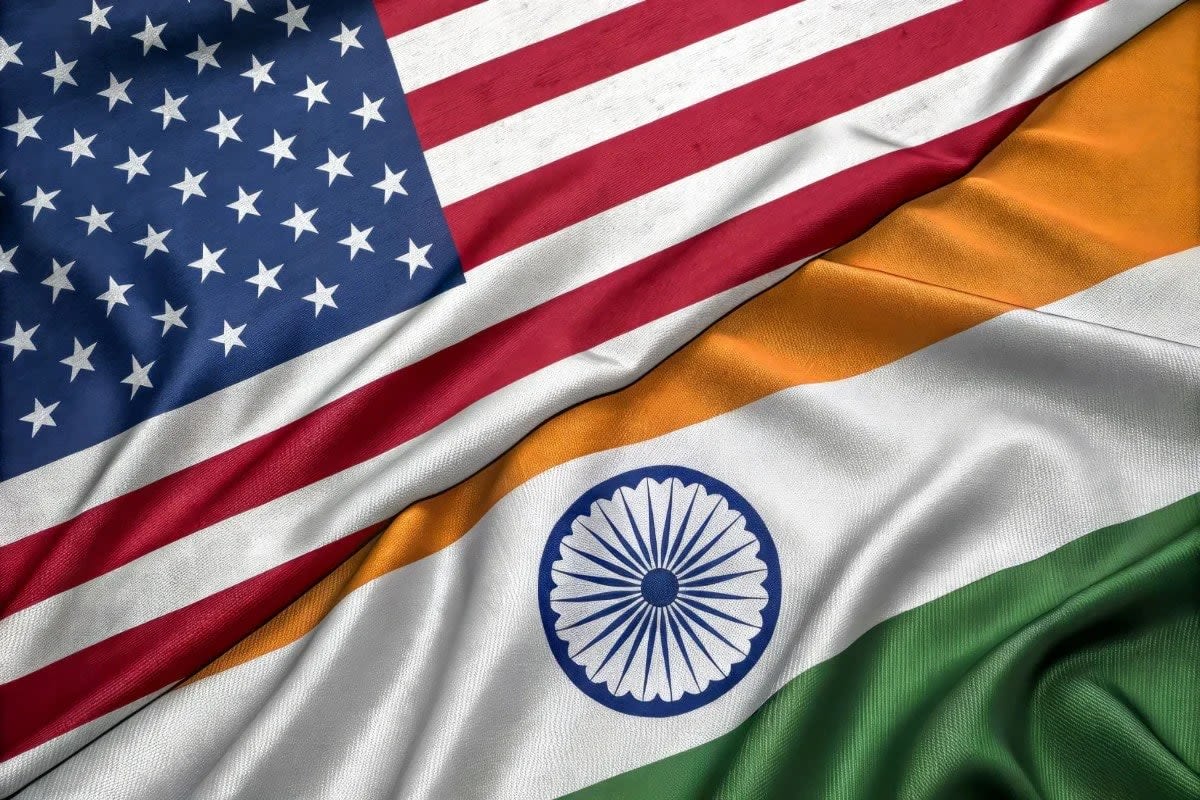
US–India Trade War: What’s at Stake? The trade relationship between India and the US is both enormous and lopsided-a high-stakes partnership where tensions can quickly spill over into major economic consequences. As both economies grow more intertwined, shifts in policy or diplomatic friction could have outsized effects on millions of jobs, industries, and global alliances. Why the US Market Matters to India India sells goods and services to countries all over the world, but the US is by far its biggest export destination. In 2023, India shipped $81.4B worth of goods and services to the US-more than double its next largest partner, the UAE ($31.4B). Other key buyers include the Netherlands, China, and the UK, yet none come close to the economic influence Washington wields over Indian exports. This deep integration means India benefits enormously from US demand. But it’s also a vulnerability: any change in US trade policy reverberates quickly through the Indian economy. A tariff, a visa rule, or a boycott could instantly put billions in trade and millions of jobs at risk. What Actually Moves Between These Countries India mostly exports high-volume consumer and industrial goods to the US, while American exports to India tend to be high-tech or energy-related: Top Indian Exports to the US (recent annual values): • Gems & Jewelry - $16.6B • Textiles & Apparel - $8.4B • Pharmaceuticals - $8B • Marine Products (primarily shrimp) - $6.7B • Machinery & Electricals - $4B Top US Exports to India: • Mineral Fuels & Oil - $12.29B • Machinery & Industrial Equipment - $5.78B • Medical & Technical Devices - $2.32B • Precious Metals & Coins - $2.25B • Electronics - $2.0B
India’s basket skews toward labor-intensive goods and IT/software, while the US ships back energy, industrial machinery, and medical expertise. The Source of Tension: The Trade Gap In 2024, the US registered a goods trade deficit with India of $45.8B-a figure the US government often cites as proof of an “unfair” dynamic. After accounting for IT and other service flows, the overall gap narrows, but the imbalance remains. April–June 2025 Snapshot: • India’s merchandise deficit: $67.26B • Services surplus: $46.95B • Net overall deficit: $20.31B For Washington, the focus stays on the gap in manufactured goods. For New Delhi, the surplus in services-especially IT and consulting-helps offset its own economic vulnerabilities. What Would a Trade War Mean? If the two giants turned to tit-for-tat tariffs or stricter quotas, the impact would be felt instantly-on both sides. India could face: • Reduced US demand for gems, jewelry, textiles, shrimp, and pharma-key export sectors. • Tightened visa regimes and outsourcing limits, affecting the $200B IT sector and Indian tech workers. • Energy suppliers would get pricier if US crude and gas imports drop. • Job losses or instability for millions in export industries. The US might see: • Price hikes for jewelry, clothing, shrimp, and generic medicines on store shelves. • Supply chain risk for pharmaceuticals, as much of US generic supply is sourced from India. • Lost export opportunities for US energy firms and industrial suppliers. • Geopolitical consequences if India shifts toward trading more with China or Russia. The Bigger Picture: Strategic Risk This trade partnership is more than just money-it’s a pillar of the US–India strategic alliance in the Indo-Pacific. They collaborate on defense, technology, and counterbalancing China. A trade war wouldn’t just shrink economies; it would undercut their cooperation and risk reshaping the global balance of power. Bottom Line The US–India trade relationship is vast but fragile. Both countries profit tremendously-but both also have a lot to lose. A full-blown trade war would mean more than tariffs and quotas; it could unsettle industries, livelihoods, and alliances worldwide. For two of the world’s biggest democracies, economic cooperation isn’t just about trade-it’s about shaping the future.