Water Scarcity No More: Prakasam Villages Earn National Honour
How Three Villages in Prakasam Turned Water Crisis into a National Success Story
Kranthi Shekar - APR 15, 2026
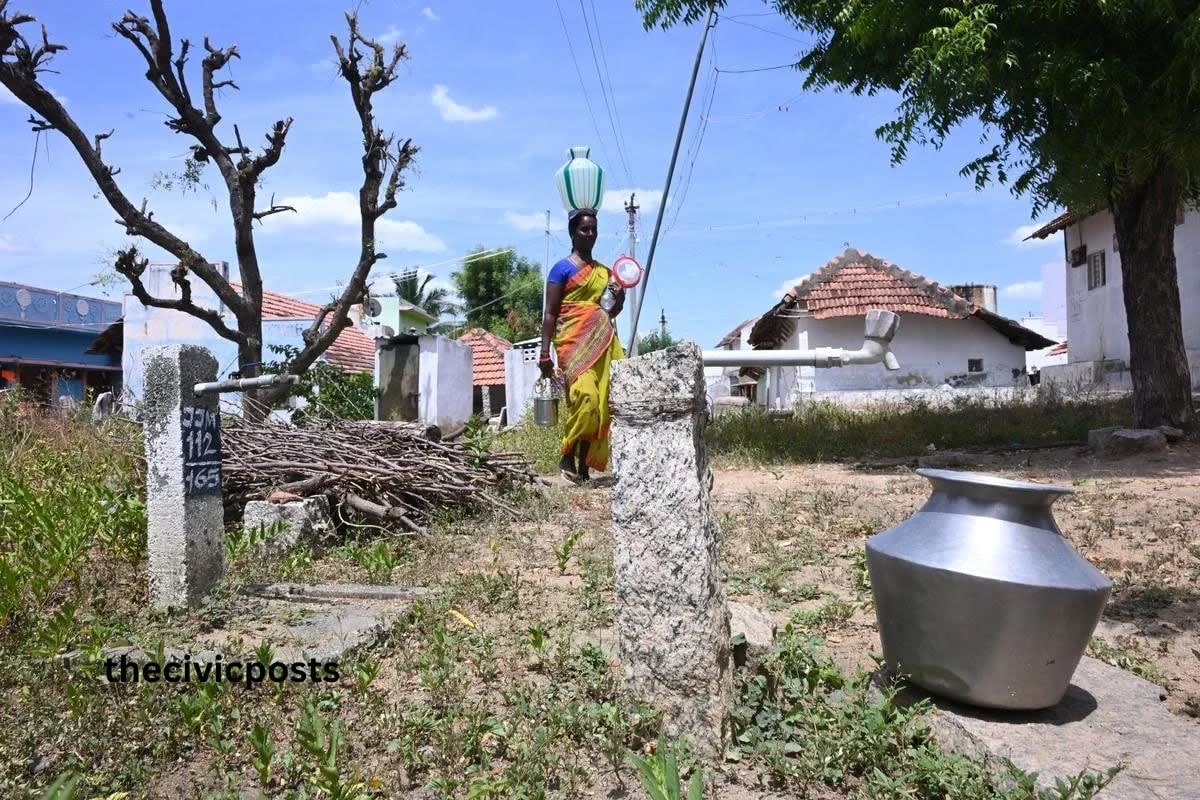
Water scarcity has long been one of the biggest challenges in many parts of Andhra Pradesh, especially in the drought-prone Prakasam district. For years, several villages in this region struggled with severe water shortages, failed borewells, poor agricultural output, and increasing migration. However, three villages in the district changed their fate through determination, collective planning, and effective rainwater harvesting practices. Their remarkable transformation has now earned them national recognition and made them role models for other drought-affected regions.
A Difficult Beginning
The three villages had been battling water shortages for many years. Rainfall in the region was unpredictable, and the terrain made it difficult to store water naturally. Over time, heavy dependence on borewells further worsened the situation. As groundwater levels dropped, borewells stopped working, and farmers were left with no reliable water source.
Agriculture, which was the main livelihood for most families, began to suffer. Crops failed repeatedly, and farmers faced financial losses. Without sufficient water for irrigation, many lands remained uncultivated. The scarcity of drinking water also became a daily struggle, forcing residents to travel long distances to fetch water.
The worsening situation pushed many families to migrate to cities in search of work. Young people left their villages, leaving behind elderly family members. Schools saw reduced attendance, and economic activity slowed down. The villages were slowly losing hope.
Realizing the Need for Change
Facing continuous hardship, villagers decided to act. Instead of waiting for outside help, they began discussing possible solutions among themselves. Community leaders, farmers, women, and youth groups joined hands to find ways to conserve water.
The villagers understood that rainwater, though limited, could be utilized better if properly managed. They started planning water conservation measures and focused on capturing rainwater during the monsoon season. The idea was simple - store as much rainwater as possible and allow it to recharge groundwater sources.
Meetings were held regularly to spread awareness about water conservation. Villagers were encouraged to reduce wastage and adopt sustainable practices. This collective effort created a strong sense of responsibility among residents.
Building Water Conservation Structures
The villages began constructing various rainwater harvesting structures. Farm ponds were dug to collect rainwater from nearby fields. These ponds not only stored water but also helped recharge groundwater levels.
Check dams were built across small streams to slow down water flow. This allowed rainwater to seep into the ground instead of flowing away. Over time, this helped raise groundwater levels and improved water availability.
Percolation tanks were also constructed to store rainwater and improve soil moisture. These tanks played an important role in restoring water availability in nearby wells and borewells.
Villagers also focused on restoring old water bodies. Ponds that had been neglected for years were cleaned and deepened. By reviving traditional water sources, the villages increased their water storage capacity.
Some households also adopted rooftop rainwater harvesting. Rainwater collected from roofs was stored or directed into recharge pits, further supporting groundwater replenishment.
Smart Water Usage
Along with creating water storage structures, the villages introduced water budgeting. This meant carefully calculating how much water was available and planning its use accordingly. Farmers were encouraged to avoid water-intensive crops and switch to crops that required less water.
Crop diversification helped reduce pressure on water resources. Farmers began cultivating pulses, millets, and other drought-resistant crops. These crops required less water and provided stable income.
Improved irrigation methods such as drip irrigation were also introduced. These methods minimized water wastage and ensured efficient use of available resources.
Transformation Begins
Within a few years, the impact of these efforts became visible. Groundwater levels improved significantly. Wells that had dried up began to refill, and borewells started functioning again.
Farmers regained confidence and resumed cultivation. Agricultural production increased, and incomes improved. With reliable water availability, farmers were able to grow multiple crops.
Livestock farming also benefited from improved water supply. Dairy farming increased, providing additional income to families.
The improved situation reduced migration. Families who had moved to cities began returning to their villages. Economic activity increased, and the villages started thriving again.
Community Participation Made the Difference
The success of these villages was largely due to strong community participation. Residents worked together to maintain water structures and ensure proper usage. Village committees were formed to monitor water usage and maintenance.
Women played a key role in spreading awareness about water conservation. Youth groups participated in construction and maintenance activities. This collective effort ensured sustainability.
The villagers developed a sense of ownership over the project. Everyone understood that responsible water usage was essential for long-term success.
Recognition at the National Level
The remarkable transformation of these villages eventually gained national attention. Their efforts in rainwater harvesting and sustainable water management were recognized and honored at the national level.
The recognition brought pride to the villages and inspired others facing similar challenges. Officials and experts praised the villagers for their dedication and innovative approach.
The success story demonstrated that even drought-prone regions can achieve water security through proper planning and community involvement.
A Model for the Future
These villages now serve as examples for other regions facing water scarcity. Their journey shows that water conservation does not always require expensive solutions. Simple measures, when implemented collectively, can bring lasting change.
The villages also proved that community participation is essential for sustainable development. By working together, they turned a crisis into an opportunity.
Their success encourages other villages to adopt rainwater harvesting, water budgeting, and sustainable farming practices. These steps can help address water scarcity and improve rural livelihoods.
Conclusion
The transformation of these three villages in Prakasam district is a powerful example of resilience and determination. Once struggling with severe water shortages, they have now become symbols of sustainable development.
Through rainwater harvesting, smart water usage, and strong community participation, they secured their water future. Their achievements not only improved livelihoods but also brought national recognition.
This inspiring journey highlights the importance of collective action and responsible resource management. It proves that with determination and cooperation, even the toughest challenges can be overcome.


