Ashes 2025-26: A Series Defined By Two-day Tests And Pitch Controversy
The Ashes 2025-26 Becomes A Storm Of Collapses, Criticism, And Cricketing Drama.
Kranthi Vegesna - FEB 14, 2026
The 2025-26 Ashes series between Australia and England has ignited intense debate across the cricket world, not for dramatic last-day finishes, but because two of the Tests have been completed within just two days of play. Both teams have shown fierce competitive spirit, but it is the unusual behaviour of the playing surfaces that has dominated headlines and stirred concern among players, experts and fans alike.
Rapid Matches Shake the Status Quo
The first Test of the series, played in Perth, concluded in just two days with 36 wickets falling, a rare occurrence in Test cricket. While some praised the quality of fast bowling on display, others questioned the balance between bat and ball. Despite the quick finish, that Perth pitch ultimately received a strong rating from governing bodies for providing a fair contest between batters and bowlers.
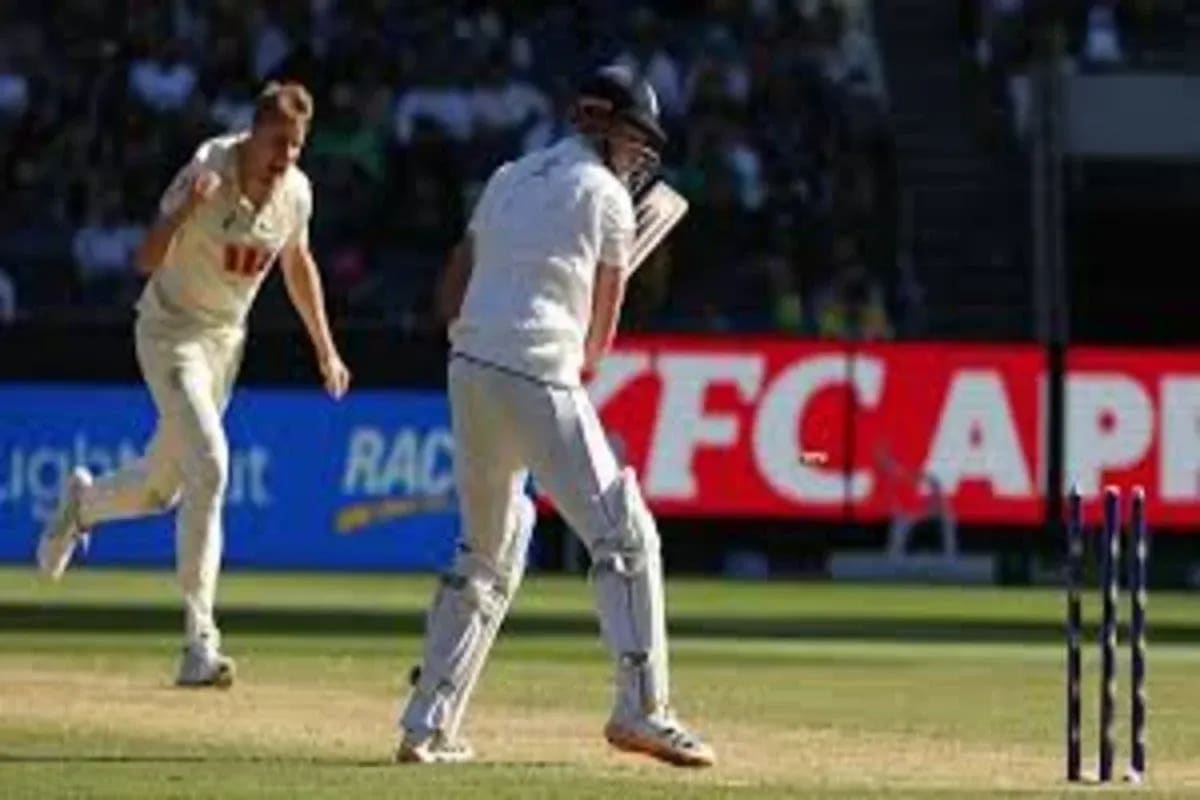
However, it was the fourth Test at the iconic Melbourne Cricket Ground (MCG) that brought the controversy to a head. England chased down a modest target to secure a four-wicket victory, but what made headlines was the astonishing collapse of batting resilience — no player from either side managed to score a half-century as 36 wickets fell in only 142 overs of play. The early conclusion of this match has not only disappointed spectators and ticket holders but also raised serious questions about how pitches are prepared at the highest level.
ICC Labels MCG Pitch ‘Unsatisfactory’
In a significant development, the International Cricket Council (ICC) rated the MCG pitch as “unsatisfactory” following the two-day Test. This rating reflects a surface that significantly favoured bowlers and did not provide a balanced contest between bat and ball — a core expectation of Test cricket conditions. As part of the ICC Pitch and Outfield Monitoring Process, the MCG has been issued a demerit point, which remains under scrutiny for future venue approvals. Accumulating additional demerit points in a five-year period could lead to a venue suspension from hosting international matches.
Officials noted that the pitch played with heavy grass coverage and unpredictable bounce, creating conditions that made batting particularly treacherous. While the surface was not deemed dangerous, its behaviour left many questioning whether it upheld the competitive spirit and fairness that define Test cricket.
Voices from the Dressing Rooms and Beyond
England captain Ben Stokes openly expressed concern over the MCG surface, suggesting that such conditions do little to advance the quality of Test cricket and risk alienating fans who cherish the duel between bat and ball. Australia’s Steve Smith echoed these sentiments, noting that while bowling achievements are part of the game’s allure, they should not come at the expense of prolonged and engaging contests.
The pitch curator, Matt Page, described himself as being in a “state of shock” after witnessing such rapid collapses, acknowledging that the wicket offered far more assistance to bowlers than intended. Page explained that weather conditions and preparation decisions likely contributed to the surface behaving in an unusually bowler-friendly way.
Australia’s coach Andrew McDonald, while defending Page’s expertise and long track record of preparing competitive surfaces, highlighted the need to preserve curatorial independence and cautioned against external interference in pitch creation. Still, Cricket Australia leadership has hinted at internal reviews of wicket preparation strategies, especially given the financial impact of shortened Tests — with estimates indicating significant revenue losses from unplayed days at marquee venues.
Expert Perspectives and Broader Implications
Cricket analysts and former players have weighed in, noting that while skillful fast bowling has been a feature of this series, the disproportionate advantage afforded to bowlers on certain surfaces undermines the balance fundamental to Test cricket. A balanced wicket typically allows both batters and bowlers to influence the outcome, fostering narrative arcs that span multiple days — a hallmark of the traditional format.
Some commentators insist this series will spark broader discussions on pitch preparation standards worldwide and whether oversight mechanisms should evolve to maintain the delicate equilibrium between bat and ball. Others argue that cricket’s custodians must consider the expectations of fans and commercial stakeholders, who depend on the spectacle of full, gripping Test matches.