“I Fear for the Players”: Lalit Modi’s Explosive Take on India-Pakistan Cricket Rivalry
Kranthi Shekar - APR 16, 2026

The intense cricket rivalry between India national cricket team and Pakistan national cricket team has always been one of the most emotional contests in world sport. However, former Indian Premier League founder Lalit Modi has sparked fresh debate after making a strong and controversial claim about the future of cricket between the two nations.
Lalit Modi expressed serious concern about the growing tensions surrounding India-Pakistan matches, stating that he fears for players due to the political pressure and emotional intensity attached to these encounters. His remarks have reignited discussions about whether the rivalry is becoming too sensitive and risky for players.
No Bilateral Series in Near Future
According to Lalit Modi, the chances of India and Pakistan playing a bilateral series in the near future remain extremely low. He believes political factors continue to influence cricketing decisions, making it difficult for both countries to organize regular matches.
India and Pakistan have not played bilateral series for several years, meeting only during major tournaments such as ICC events or multi-nation competitions. These matches attract global attention, massive television viewership, and intense public emotions.
Modi believes that this situation is unlikely to change soon, as tensions outside the cricket field continue to impact sporting relations.
Politicisation of Cricket
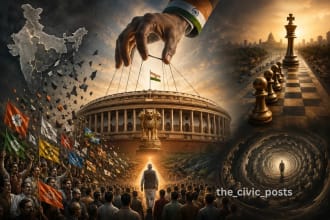
One of Lalit Modi’s key concerns revolves around what he described as increasing politicisation of cricket. He argued that cricket between India and Pakistan is no longer just a sporting contest but has become deeply tied to political narratives and national sentiment.
Such high-pressure environments, according to him, place enormous mental stress on players. The expectations from fans, media scrutiny, and national pride make every moment of the game extremely intense.
He suggested that this pressure can affect performance and create uncomfortable situations for players, who ideally should focus only on the sport.
Fear for Player Safety
Lalit Modi’s most striking statement was his concern for the safety and well-being of players. He warned that the emotional environment surrounding India-Pakistan matches continues to intensify.
He indicated that when emotions run high, even small incidents during matches can escalate quickly. Crowd reactions, media narratives, and social media discussions can amplify tensions, making players vulnerable to criticism and pressure.
His remarks highlighted the growing challenge of managing one of cricket’s biggest rivalries in a calm and professional manner.
The Most Watched Rivalry in Cricket
India-Pakistan matches are among the most watched sporting events in the world. Millions of fans tune in whenever the two sides face each other. The rivalry goes beyond cricket and often reflects historical and emotional connections between the nations.
Because of this massive attention, every match carries extraordinary significance. Even a single performance or decision can dominate headlines for days.
While this popularity benefits cricket financially and commercially, Lalit Modi believes it also increases pressure on players.
Neutral Venue Not a Guaranteed Solution
There have been suggestions that India and Pakistan could play at neutral venues to reduce tensions. However, Lalit Modi expressed doubt about this solution as well.
He believes that even neutral-venue matches carry the same emotional intensity. Fans from both nations travel in large numbers, and the global spotlight remains strong. As a result, the pressure on players does not reduce significantly.
This makes organizing regular bilateral contests even more complicated.
Impact on Cricket Fans
The absence of regular India-Pakistan matches has disappointed fans worldwide. Many cricket enthusiasts consider this rivalry the most exciting in the sport.
Whenever the two teams meet in tournaments, the excitement is unmatched. Tickets sell out quickly, and television ratings break records.
However, Lalit Modi’s remarks suggest that while fans enjoy the rivalry, the pressure behind the scenes is much greater for players and administrators.
A Rivalry Beyond Cricket
India-Pakistan cricket matches often reflect more than just sporting competition. National pride, historical context, and emotional connections add layers of significance.
This unique nature makes the rivalry both exciting and challenging. While it creates unforgettable moments, it also increases expectations and scrutiny.
Lalit Modi’s comments highlight the need to balance excitement with player well-being.
Growing Debate in Cricket Circles
Lalit Modi’s statements have sparked discussion among cricket experts and fans. Some believe that India-Pakistan matches should continue because they bring excitement and financial benefits to the sport.
Others agree with Modi’s concerns, suggesting that excessive pressure may affect players and the spirit of the game.
The debate reflects the complex nature of one of cricket’s most famous rivalries.
The Future of India-Pakistan Cricket
Despite uncertainty, India and Pakistan are expected to continue meeting in global tournaments. These contests will remain among the biggest attractions in international cricket.
However, the possibility of regular bilateral series remains uncertain. Political relations and administrative decisions will continue to shape the future.
Lalit Modi’s comments serve as a reminder that behind the excitement and entertainment, players face significant pressure and responsibility.
Conclusion
Lalit Modi’s explosive remarks about India-Pakistan cricket rivalry have once again highlighted the intense emotions surrounding these matches. His concern for player safety and mental pressure reflects the growing challenges in managing such a high-profile rivalry.
While fans eagerly await every India-Pakistan clash, the debate over political influence, player pressure, and future series continues. The rivalry remains one of cricket’s biggest attractions, but balancing excitement with player well-being will remain crucial moving forward.