Healthy Eating Isn’t a Trend: Why Cultural Foods Matter More Than You Think
Kranthi Shekar - APR 23, 2026
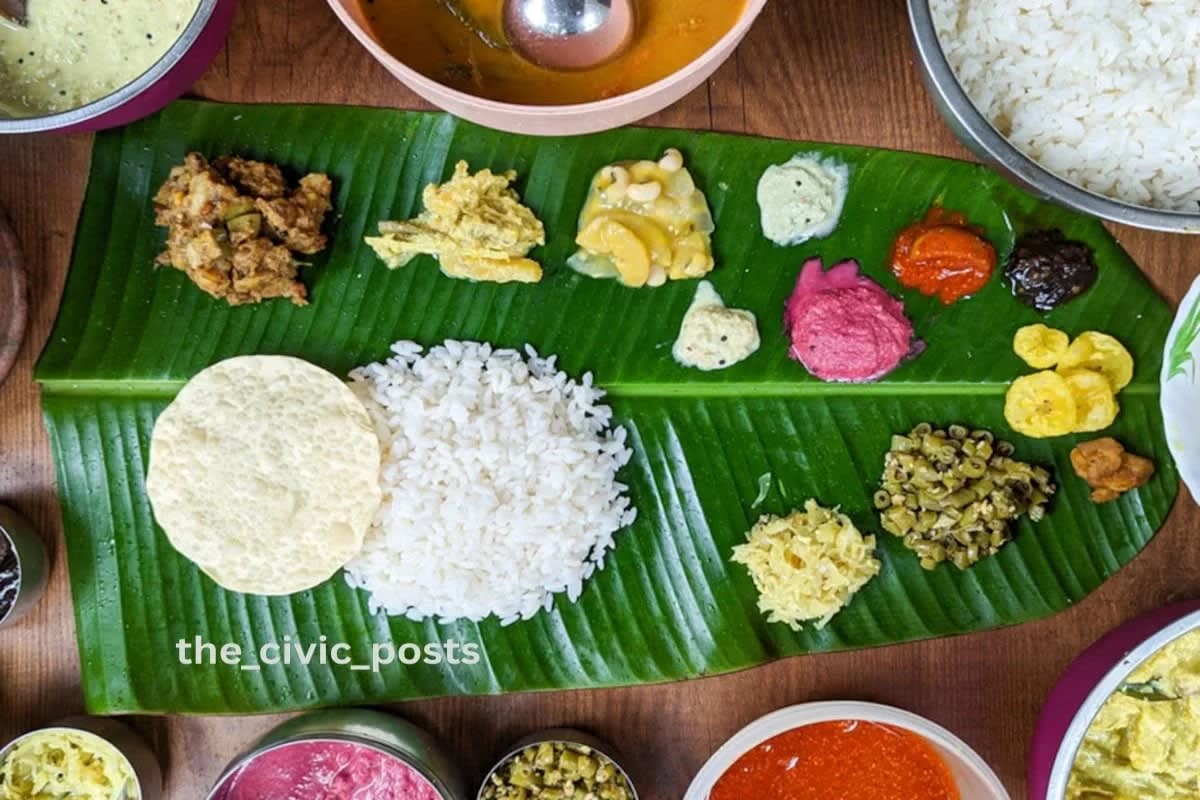
The idea of “healthy eating” is often packaged into a narrow image-colorful salads, imported grains, calorie counts, and strict diet plans. This version of nutrition is widely promoted, but it doesn’t reflect the full picture. In reality, healthy eating is not a universal formula. It is shaped by culture, geography, tradition, and individual lifestyle. At the center of this broader understanding lies an often overlooked truth: cultural foods are not only relevant but essential to a balanced and sustainable way of eating.
Every culture has its own food system, developed over generations. These systems are deeply connected to the land, climate, and available resources. They are not accidental combinations of ingredients but carefully evolved patterns that provide nourishment and energy. Traditional diets have supported communities long before modern nutrition science began defining what is “healthy.” This alone shows that wellness does not depend on following a single global standard.
One of the biggest misconceptions today is that healthy food must look a certain way. People are often made to believe that unless they are eating specific trending items, they are not eating right. This mindset can create unnecessary pressure and confusion. In truth, a simple home-cooked meal made with local ingredients can be just as nutritious-sometimes even more-than a meal built around expensive or imported foods.
Cultural meals often naturally include balance. A typical traditional plate in many parts of the world contains grains for energy, legumes or other proteins for strength, vegetables for vitamins, and fats for flavor and satiety. These elements come together in a way that supports the body without requiring complicated planning. What modern diets try to achieve through calculation, traditional diets often achieve through habit.
Another major advantage of cultural foods is their practicality. They are accessible, affordable, and familiar. This makes them easier to include in daily life. Diets that rely heavily on rare or costly ingredients may work for a short time but are difficult to maintain. Sustainable eating habits are built on what people can consistently access and enjoy, and cultural foods fit naturally into that framework.
Food is not just fuel-it carries emotional and social meaning. Cultural dishes are tied to memories, celebrations, and family traditions. They provide comfort and a sense of identity. When people are told to replace these foods entirely in the name of health, it can create a disconnect. Eating should not feel like a constant sacrifice of personal or cultural identity. Instead, it should be something that supports both physical health and emotional well-being.
Modern lifestyles, however, have changed the way many people eat. The growing presence of processed foods, fast food, and sugary snacks has shifted attention away from traditional diets. These changes have contributed to various health concerns, but they are not caused by cultural foods themselves. In fact, many traditional eating patterns are far healthier than the processed alternatives that have replaced them. Returning to simpler, home-cooked meals can often improve overall health.
It is also important to understand that no single ingredient determines whether a diet is healthy. What matters is the overall pattern-how often you eat whole foods, how balanced your meals are, and how well your diet supports your body’s needs. Cultural foods, when prepared thoughtfully, can easily meet these requirements. They offer variety, flavor, and nutrition without needing to follow rigid rules.
This does not mean that traditional diets cannot evolve. Small, mindful adjustments can make them even better suited to modern lifestyles. For example, reducing excessive oil, limiting added sugars, or increasing the proportion of vegetables can enhance nutritional value while preserving the original taste and identity of the dish. The goal is not to replace cultural foods but to refine them where needed.
Another important point is sustainability. A healthy diet should be something a person can follow for years, not just weeks. Cultural foods provide that long-term stability because they are already integrated into daily routines. They do not require constant effort to maintain. When people eat foods they are familiar with and enjoy, they are more likely to build consistent and healthy habits.
In a world that is becoming increasingly connected, there is also room to appreciate and learn from different food cultures. Instead of viewing one type of cuisine as superior, it is more useful to recognize that each culture offers valuable insights into nutrition. This broader perspective allows people to build diets that are both diverse and balanced.
Ultimately, healthy eating is not about copying a trend or following a rigid plan. It is about understanding your body, your environment, and your cultural background. Cultural foods provide a strong foundation for this understanding. They are practical, meaningful, and capable of supporting good health when approached with awareness.
In conclusion, redefining healthy eating means moving away from narrow definitions and embracing diversity. Cultural foods are not barriers to wellness-they are powerful tools that can help people live healthier, more connected lives. By valuing tradition while making thoughtful choices, it is possible to create a way of eating that is both nourishing and deeply personal.


