Is Milk Really the Villain? Rethinking Dairy in the Age of Plant-Based Alternative
Jennifer - FEB 25, 2026
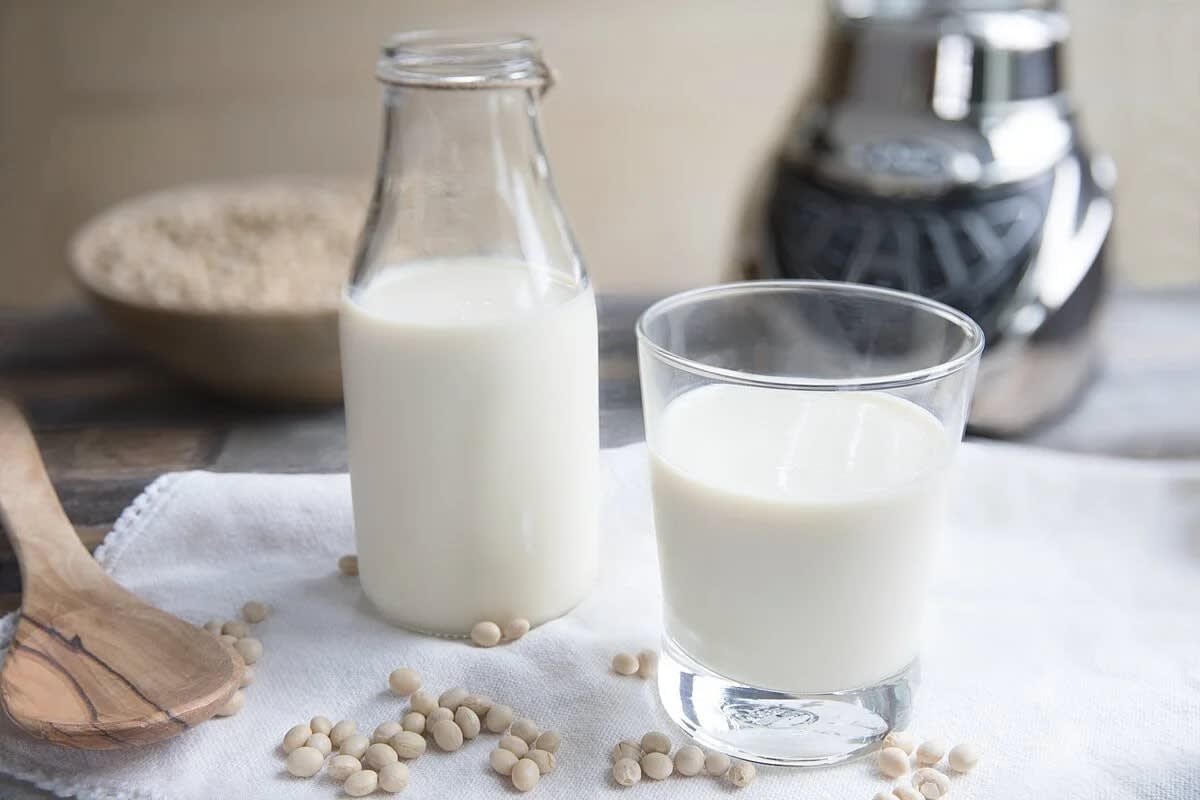
In recent years, whole milk has found itself under scrutiny. Once considered a staple in every household, it is now often labeled as “unhealthy” or “old-fashioned.” Many people are trading their glass of cow’s milk for trendy plant-based alternatives such as oat milk, almond milk, or soy milk. But is dairy really as bad as it is made out to be, or are we simply following food fads?
Why Some People Move Away From Dairy
One of the most common reasons is lactose intolerance. A large share of the global population struggles to digest lactose, the natural sugar in milk, which can lead to discomfort. For these individuals, plant-based milks provide a useful alternative.
Others avoid dairy for ethical or environmental reasons, choosing plant-based options to reduce their reliance on animal agriculture. Additionally, social media and diet trends have played a role in shaping perceptions, with claims linking milk to acne, inflammation, or weight gain—although scientific evidence on these issues remains mixed.
Looking at Plant-Based Milks
Plant-based beverages vary widely in nutrition, and their health value often depends on the type and whether they are fortified.
Almond milk is typically very low in protein and may contain added oils, increasing fat content.
Oat milk has a naturally sweet flavor but can be high in carbohydrates and added sugars.
Soy milk comes closest to dairy in terms of protein, though flavor and digestibility vary among individuals.
While many plant-based milks are fortified with calcium, vitamin B12, and vitamin D to mimic dairy’s nutrient profile, this is not universal. Consumers need to check labels carefully to ensure they are getting the intended benefits.
The Case for Dairy
For those without lactose intolerance or allergies, cow’s milk remains a nutrient-dense food. It provides high-quality protein, calcium, vitamin B12, iodine, and phosphorus, all of which support bone health, muscle function, and energy metabolism.
Whole milk also offers a natural balance of protein, fat, and carbohydrates, making it especially valuable for children, athletes, and people with higher nutritional needs.
A Balanced Perspective
Neither dairy nor plant-based milk needs to be viewed as inherently “good” or “bad.” Each comes with advantages and limitations:
Dairy offers a complete package of naturally occurring nutrients but may not suit those with intolerances or ethical concerns.
Plant-based milks expand choices, particularly for people with dietary restrictions, but they vary in quality and are not automatically healthier.
Key Takeaway
When it comes to milk and its alternatives, the most important factor is personal fit—health needs, dietary preferences, and values. For some, dairy remains an excellent source of nutrition. For others, plant-based beverages provide a suitable substitute.
Instead of following trends, consumers benefit from looking at nutritional content, personal tolerance, and long-term health goals. Both dairy and non-dairy options can play a role in a balanced diet when chosen mindfully.