Sweeteners: How Sweet Are They, Really?
Jennifer - FEB 25, 2026
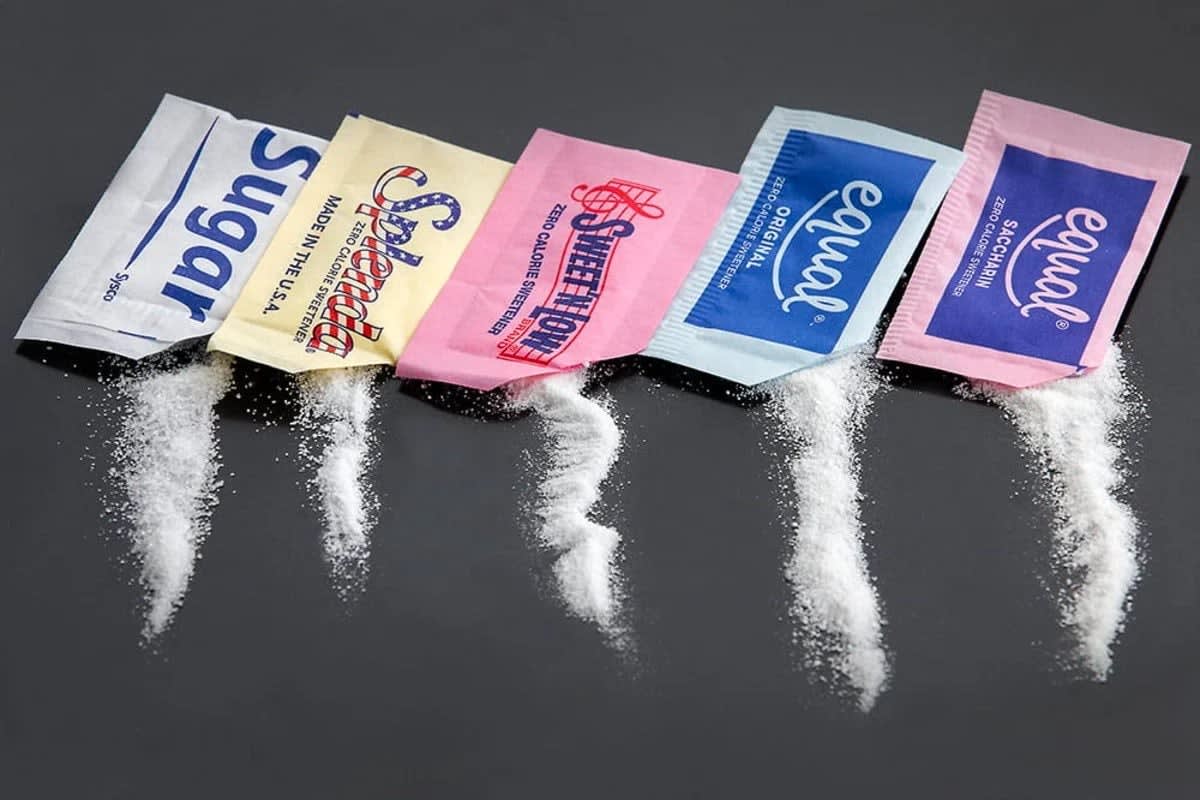
We’ve all been there — trying to cut down on sugar but still craving something sweet. The solution seems simple: grab a sugar-free drink, or add a zero-calorie sweetener to your coffee.
But have you ever wondered what’s really inside those “healthy” sugar substitutes?
Let’s take a deep dive into the most common sweeteners out there and find out which ones are truly safe, and which might not be as sweet as they seem.
1. Aspartame
You’ll find aspartame in diet sodas, sugar-free gums, and even some protein powders. It’s about 200 times sweeter than sugar and has almost no calories.
Health authorities like the FDA consider it safe within limits, but it has a controversial reputation. Some people report headaches or mood changes after consuming it, and it’s a no-go for anyone with phenylketonuria (PKU) — a rare genetic condition.
Verdict: Safe in small amounts, but best avoided for everyday use.
2. Sucralose (Splenda)
Sucralose is one of the most popular sweeteners — made from real sugar but chemically modified so your body doesn’t absorb it. That’s why it’s calorie-free and heat-stable, making it great for baking.
However, research suggests it might alter gut bacteria and affect insulin response if overused.
Verdict: Okay for occasional use, but not ideal as your daily go-to.
3. Erythritol
If you’re into keto or low-carb treats, you’ve probably seen erythritol on ingredient lists. It’s a sugar alcohol that naturally occurs in some fruits. It tastes like sugar but has almost zero calories and doesn’t spike blood sugar.
That said, too much can cause digestive discomfort, and one recent study linked high blood levels of erythritol to heart issues — though that might be due to underlying health conditions, not moderate use.
Verdict: Generally safe and one of the better low-calorie options when used moderately.
4. Xylitol
Another sugar alcohol, xylitol is famous for its dental benefits — it helps fight cavities and is often used in gum and toothpaste.
It has fewer calories than sugar and a low glycemic index, but consuming large amounts can cause bloating or diarrhea. Most importantly, it’s extremely toxic to dogs, so handle with care if you have pets.
Verdict: Great for dental health, fine in moderation — but dangerous for pets.
5. Monk Fruit (Luo Han Guo)
Monk fruit sweetener is derived from a small green melon found in Southeast Asia. Its sweetness comes from mogrosides, natural antioxidants that give it zero calories and zero blood sugar impact.
It’s a clean, natural option — though it can be expensive and often comes blended with other sweeteners like erythritol.
Verdict: One of the best natural sweeteners — safe, antioxidant-rich, and diabetic-friendly.
6. Stevia
Stevia comes from the leaves of the Stevia rebaudiana plant and is 200–300 times sweeter than sugar. It has no calories and doesn’t affect blood sugar, making it a popular choice for people managing diabetes or weight.
Some people notice a bitter or herbal aftertaste, but this is often reduced when stevia is blended with other sweeteners.
Verdict: A top pick for everyday use — natural, safe, and easy to find.
7. Allulose
Allulose is a rare natural sugar found in small amounts in fruits like figs and raisins. It looks and tastes like sugar but gives you only about 10% of the calories.
It doesn’t raise blood sugar or insulin, and early studies suggest it might even have metabolic benefits.
Verdict: A rising star among sweeteners — great taste, minimal calories, and gentle on blood sugar.
So, What’s the Sweet Spot?
At the end of the day, not all sweeteners are created equal — and that’s okay. Each one has its place depending on your lifestyle and goals.
If you’re looking for something natural and gentle on your system, stevia, monk fruit, or allulose are wonderful choices. They keep your blood sugar steady, don’t add calories, and are easy to blend into drinks or baking.