The Ancient Magic of Sourdough Bread
Jennifer - FEB 25, 2026
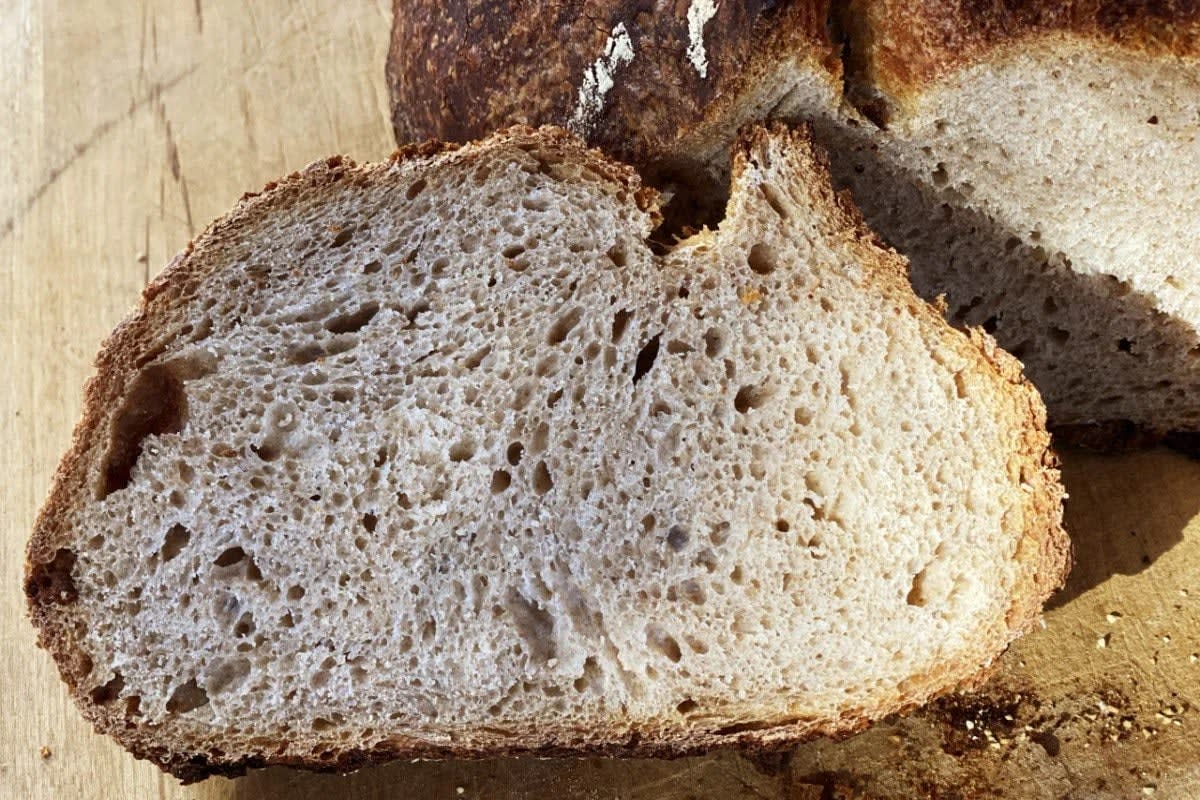
When we think of bread, we often imagine the soft, packaged loaves that line supermarket shelves. But there’s an ancient way of making bread that’s stood the test of time — sourdough. With roots going back thousands of years, sourdough is more than just bread; it’s a living, fermented food that brings along countless benefits.
Why Sourdough Is Special
Unlike commercial bread that relies on packaged yeast for a quick rise, sourdough uses a natural fermentation process. A starter — made from just flour and water — is cultivated over time until it’s rich with wild yeast and good bacteria. This slow fermentation is what makes sourdough unique.
Gentle on the Gut
One of the biggest benefits of sourdough is its digestibility. The long fermentation breaks down gluten and phytic acid, making the bread lighter and easier to digest. Many people who find regular bread heavy or bloating are pleasantly surprised that sourdough feels much gentler on the stomach.
In fact, this process is very similar to how traditional Indian foods like idli, dosa, and kanji are prepared — all relying on natural fermentation to boost nutrition and improve digestibility.
Possible for the Gluten-Sensitive
While it’s not gluten-free, sourdough can often be tolerated by those with mild gluten sensitivities because fermentation partially breaks down gluten proteins. Of course, this isn’t a replacement for a strict gluten-free diet for those with celiac disease, but many with gluten intolerance find it a friendlier option compared to regular bread.
A Probiotic Boost
Sourdough is also rich in beneficial bacteria, similar to other fermented foods. These good microbes help balance gut health and may even support better nutrient absorption. Including sourdough in your diet means you’re adding another probiotic-rich food to your daily routine.
The Price of Patience
If you’ve ever bought sourdough, you’ll notice it costs much more than regular bread. That’s because making sourdough is truly a labor of love. The starter must be nurtured daily, and each loaf takes hours — sometimes even days — to ferment and rise properly. Bakers put in time, patience, and skill to create each loaf, which explains its higher price tag.
Why You Should Include It in Your Diet
From being easier to digest to boosting gut health, sourdough has plenty of reasons to earn a place in your diet. Think of it not just as bread, but as part of a long tradition of fermentation that our ancestors intuitively relied on for better health.
In a world full of fast food and instant mixes, sourdough reminds us of the beauty of slow, thoughtful food. It’s not just bread — it’s culture, history, and well-being, all baked into one loaf.