AP Suffers from Split and ‘Destructive’ YSRCP Policies, Says NDA
Kranthi Shekar - FEB 16, 2026
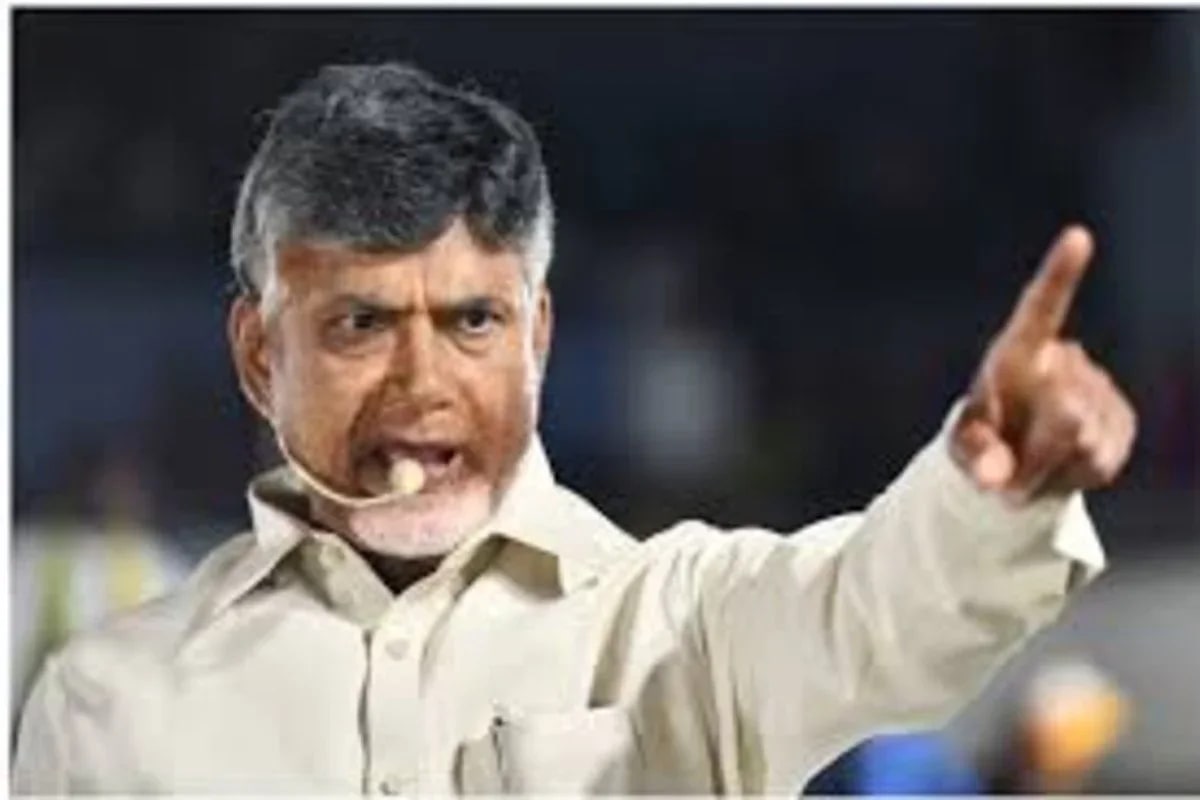
Andhra Pradesh has been at the centre of political debates and economic scrutiny for over a decade, as policymakers reflect on the consequences of the state’s bifurcation and the directions taken by successive governments. While the division of the state was a historic decision aimed at addressing regional aspirations, its aftereffects continue to shape discussions about governance, development and fiscal stability. Opposition legislators and critics have repeatedly pointed out that the combination of structural setbacks from bifurcation and controversial policy decisions by the state’s political leadership contributed to the challenges that Andhra Pradesh faces today.
The Legacy of Bifurcation
When Andhra Pradesh was bifurcated in 2014 to create the new state of Telangana, the intention was to acknowledge long-standing regional demands and allow both regions to chart their own paths. However, the division meant that the newly formed Andhra Pradesh was left without Hyderabad - a thriving urban centre, major revenue generator and technological hub. This loss was not just symbolic; it had real implications for the state’s economy because Hyderabad contributed significantly to Andhra Pradesh’s financial strength, industrial output, and employment opportunities.
In the years following the division, lawmakers opposed to the ruling party highlighted that Andhra Pradesh had to rebuild many of the institutions, infrastructure projects and administrative frameworks that were once shared with the undivided state. Without the economic engine of Hyderabad, the state needed to depend more on agriculture, new industrial zones and ambitious capital city projects to attract investment and create jobs. However, overcoming the immediate shortfall in revenue and industries proved to be a complex task.
Infrastructure and Development Challenges
One of the most visible outcomes of the post-bifurcation period was the focus on developing a new capital region. While the idea of building a modern administrative centre was welcomed by many as a chance to reimagine governance and urban planning, the execution of the plan faced delays, revisions and budgetary pressures. Critics argue that rather than acting swiftly to establish a new economic base and draw in investors, several policy decisions slowed project rollouts, reduced investor confidence, and created uncertainty about the state’s long-term development trajectory.
Members of the opposition pointed to these administrative hurdles as evidence that critical infrastructure was not prioritized effectively. Projects intended to enhance connectivity, promote industrial growth, and support agricultural markets did not advance at the pace they could have, they claim. In sectors such as irrigation, transport networks and power supply - all of which are essential for balanced regional growth - progress was described as uneven and often subject to political debate instead of strategic planning.
Fiscal Pressures and Policy Directions
Another factor critics emphasize is the state’s fiscal management during this transitional period. Andhra Pradesh, like many Indian states, faced fiscal limitations after the division because of reduced revenue streams and increased expenditure responsibilities. In this context, opposition legislators argued that certain policy choices exacerbated financial pressures rather than alleviating them.
According to these viewpoints, decisions related to loan agreements, budgetary allocations and prioritization of welfare versus capital investments sometimes led to an imbalance in how state resources were used. While social programmes play a crucial role in supporting vulnerable populations, the argument presented by critics was that if such programmes were not matched with adequate revenue-generating projects or balanced fiscal planning, the overall economic sustainability of the state could be weakened.
Investor Confidence and Economic Growth
Investor sentiment is a key indicator of a state’s growth prospects, and Andhra Pradesh’s attempts to attract private and public investment were a recurring theme in state politics. Lawmakers critical of the government’s performance suggested that mixed policy signals, combined with delays in clearing industrial projects, discouraged investors from committing to long-term ventures within the state.
These legislators argued that policy inconsistency and administrative bottlenecks created an environment where investors hesitated to explore opportunities that might have otherwise emerged more robustly. In contrast, states that showcased clear policy frameworks and timely infrastructure development often succeeded in drawing larger industrial investments, suggesting that Andhra Pradesh’s trajectory could have been different with more strategic governance.
Political Narratives and Administrative Accountability
The narrative around bifurcation and policy missteps is not just about economics; it also reflects deeper political disagreements in Andhra Pradesh’s legislative arena. Each party involved in governance has its own interpretation of the causes behind the state’s difficulties, and these interpretations often influence public perception and policy priorities.
Opposition legislators framed their criticism around the theme of accountability, holding the previous government responsible for decisions they believe weakened the state’s competitive position. They argued that leadership choices during critical junctures had long-lasting effects, from urban planning to rural development, which require careful reconsideration and corrective measures.
On the other hand, defenders of the previous government maintain that their initiatives were aimed at addressing social inequities and uplifting disadvantaged groups. They highlight welfare measures launched during their tenure as evidence of a people-centric approach, suggesting that development should not be viewed solely through the lens of industrial metrics or fiscal ratios. While these perspectives differ, the ongoing discourse underscores the complexity of balancing social welfare with economic growth.
Looking Ahead: Rebuilding Momentum
Despite the debates over past policies and political responsibility, there is broad recognition among policymakers that Andhra Pradesh needs a renewed focus on sustainable development strategies. This includes strengthening infrastructure, enhancing agricultural productivity, promoting industrial expansion, and improving governance frameworks to attract long-term investment.
Analysts and leaders alike agree that the legacy of bifurcation will continue to influence economic planning, but how the state responds with thoughtful policy choices will determine its future trajectory. By learning from past experiences and prioritizing collaborative approaches across political lines, there is potential for Andhra Pradesh to overcome its current challenges and build a more resilient and inclusive economy.