Middle East Tensions Shake UAE Aviation: Airports Disrupted as Regional Conflict Sends Shockwaves Across Global Travel
Kranthi Shekar - MAR 3, 2026
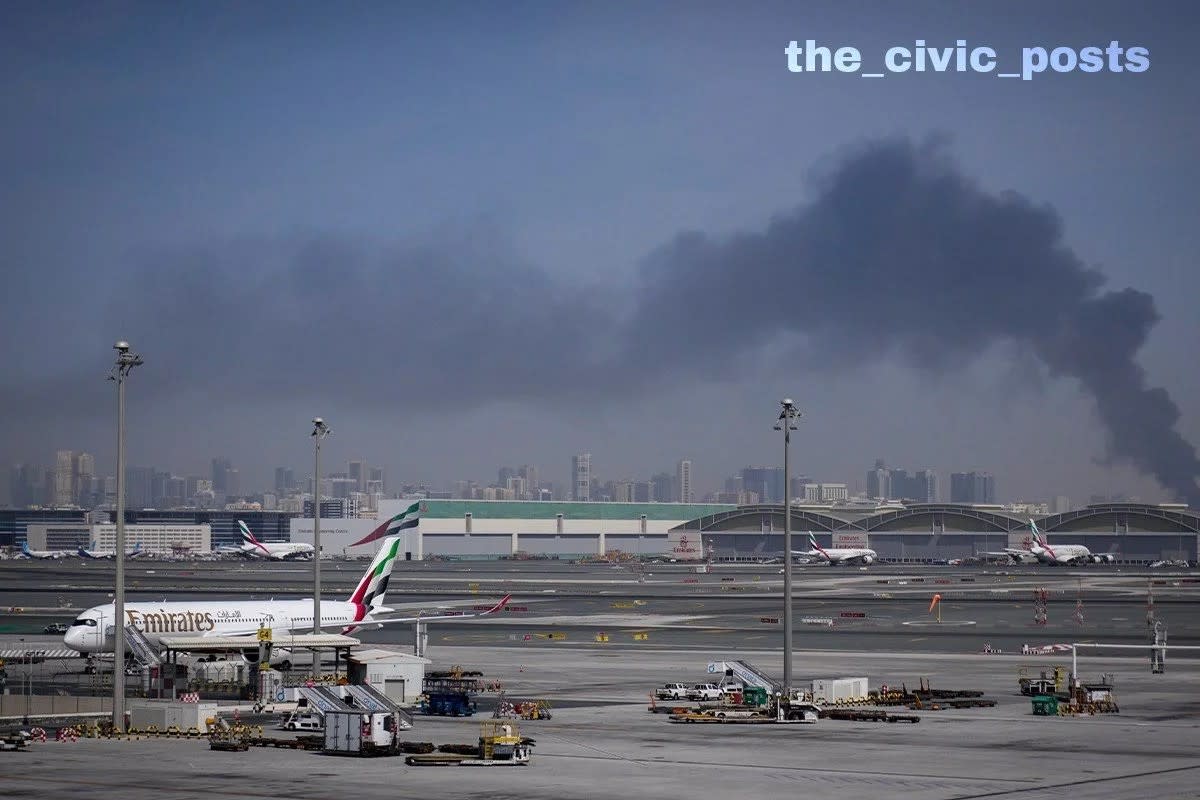
A Sudden Crisis in the Skies
Escalating military tensions in the Middle East have dramatically disrupted air travel across the Gulf, placing the United Arab Emirates at the center of a fast-moving aviation crisis. As hostilities intensified between major regional players, precautionary airspace restrictions were introduced, forcing airlines to suspend, delay, or reroute flights. The ripple effect was immediate and widespread, affecting not only local carriers but also international airlines that depend heavily on Gulf transit corridors.
The UAE, known for operating some of the busiest international airports in the world, found itself navigating an extraordinary security challenge. Authorities moved quickly to prioritize passenger safety, even if it meant halting normal operations temporarily. The result was a sudden slowdown in one of the most critical aviation hubs connecting East and West.
Airport Operations Face Major Interruptions
Dubai and Abu Dhabi airports, which typically handle massive daily passenger volumes, experienced significant operational disruptions. In response to emerging security concerns, aviation authorities imposed temporary airspace limitations. Flights scheduled for departure and arrival were either delayed indefinitely or cancelled outright.
Passengers were advised to stay updated through official airline communication channels, as schedules changed frequently. Some travelers who had already arrived at terminals were forced to wait for extended periods, while others were urged not to proceed to airports until confirmation of flight status.
Although these measures were disruptive, officials emphasized that they were precautionary and necessary under rapidly evolving conditions. Safety assessments were being conducted continuously to determine when normal operations could gradually resume.
Airlines Adjust Routes and Schedules
The UAE’s leading carriers, which serve as vital connectors between continents, had to revise operations almost instantly. Many standard flight paths cross sensitive airspace in the region. As certain corridors were deemed unsafe, airlines evaluated alternate routes that often required longer flying times and additional fuel consumption.
In cases where rerouting was not operationally viable, flights were cancelled to avoid potential risks. The situation posed logistical challenges for airline management teams, who had to coordinate crew availability, aircraft positioning, and passenger support simultaneously.
International airlines were also affected. Several foreign carriers suspended services to Gulf destinations temporarily, citing safety considerations. This compounded the strain on passengers who rely on UAE airports for onward connections to Europe, Asia, Africa, and the Americas.
Passengers Left in Limbo
The immediate human impact of the aviation disruption was significant. Thousands of passengers faced unexpected changes to travel plans. Transit travelers connecting through the UAE encountered missed connections, extended layovers, and uncertainty about alternative arrangements.
Airlines activated contingency plans to assist affected passengers. These included rebooking options, refunds, and in some cases, hotel accommodations. However, the scale of the disruption meant that customer service channels were overwhelmed with inquiries.
Families traveling for holidays, professionals on business trips, and students returning to academic institutions all faced uncertainty. Many travelers chose to postpone journeys altogether until stability returned to the region.
Regional Airspace Restrictions Intensify Challenges
The aviation difficulties were not confined to one country. Several neighboring states also implemented airspace restrictions as a precautionary measure. This significantly limited rerouting options, as aircraft could not simply divert through nearby skies.
The Gulf region is home to some of the world’s most strategically important air corridors. Even short-term closures can disrupt global flight networks, creating knock-on effects in airports thousands of kilometers away. Delays were reported in parts of Europe and South Asia due to aircraft displacement and scheduling backlogs.
Cargo aviation was similarly impacted. With the UAE serving as a critical logistics hub for global freight movement, temporary slowdowns in cargo operations raised concerns about supply chain delays, particularly for time-sensitive shipments.
Security Measures Strengthened Nationwide
In response to rising tensions, UAE authorities enhanced security protocols at airports and critical infrastructure facilities. Surveillance systems were reinforced, and coordination between civil aviation authorities and national security agencies intensified.
Public communication focused on maintaining calm while urging vigilance. Officials reassured residents and visitors that safety remained the top priority and that contingency mechanisms were firmly in place.
Emergency response units remained on standby throughout the period of uncertainty, prepared to address any unforeseen developments. Continuous risk monitoring allowed authorities to adjust restrictions as needed.
Economic Implications Begin to Surface
The UAE’s economy is deeply intertwined with aviation, tourism, and global trade. Any prolonged disruption to flight operations carries financial consequences. Airlines face revenue losses from grounded aircraft and compensation obligations for cancelled services. Meanwhile, hospitality businesses may experience booking declines as travelers postpone visits.
Extended flight paths due to rerouting also increase fuel consumption, adding to operational expenses. Insurance costs can rise during periods of geopolitical instability, further pressuring airlines’ balance sheets.
Beyond aviation, broader market volatility emerged as investors reacted cautiously to regional tensions. Energy prices fluctuated amid concerns about supply stability, underscoring the interconnected nature of geopolitical events and global economic systems.
Gradual Recovery Under Careful Monitoring
After initial suspensions, authorities began permitting limited operations under strict monitoring conditions. Priority was often given to essential and repatriation flights. Airlines indicated that a full return to regular schedules would depend on sustained improvements in regional security conditions.
The timeline for complete normalization remains uncertain. Aviation planners are preparing for multiple scenarios, including the possibility of renewed restrictions if tensions escalate again.
Despite the disruption, the coordinated response demonstrated the resilience of the UAE’s aviation infrastructure. Rapid decision-making, clear communication, and adaptive operational planning helped prevent larger complications.
A Reminder of Global Interconnectedness
The recent aviation turmoil illustrates how regional conflicts can swiftly impact global systems. The Gulf’s strategic location makes it indispensable to international air travel. When instability arises, its effects are felt worldwide.
While the immediate focus remains on restoring flight operations safely, the broader lesson highlights the importance of preparedness and flexibility in an unpredictable geopolitical landscape.
As diplomatic efforts continue in the background, travelers and industry stakeholders alike hope for de-escalation. Stability in the region is not only critical for security but also essential for maintaining the seamless global connectivity upon which millions depend every day.