Can Gautam Gambhir Silence Critics After India's Series Setback?
Editorial desk - JUN 29, 2026

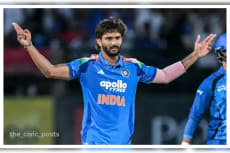
The global cricketing landscape experienced a seismic shift during the bilateral T20 International series in Belfast, where the formidable Indian cricket team suffered an unprecedented and deeply humiliating two-zero clean sweep at the hands of Ireland. Entering the brief assignment at the Stormont Cricket Ground as absolute favorites, the star-studded Indian line-up was systematically dismantled across consecutive fixtures, marking the first time in history that Ireland has secured a bilateral series victory over India in any cricketing format.
This historic capitulation instantly shattered India's long-standing statistical dominance over lower-ranked nations, sending immediate shockwaves through the Board of Control for Cricket in India and triggering a massive, furious wave of public backlash across digital platforms. The scale of the failure cannot be overstated, transitioning what was supposed to be a routine developmental tour for India's deep talent pool into a full-blown institutional crisis that threatens to redefine the immediate future of the national team's leadership structure.
At the absolute epicenter of this mounting sporting storm is India’s newly appointed head coach, Gautam Gambhir, whose tactical philosophies and squad management came under brutal fire from fans, pundits, and international observers alike. As the final wicket fell in Belfast, social media platforms were completely inundated with severe criticism, sharp satirical memes, and expressions of profound disillusionment from a fan base unaccustomed to such comprehensive defeats.
The online roasting achieved global notoriety when the official digital handle of Iceland Cricket, a satirical account widely recognized for its biting wit and sharp commentary on mainstream cricket, took a highly publicized and utterly devastating swipe at Gambhir.
The account sarcastically confirmed that they had no intention of adding Gambhir to their coaching staff, mockingly noting that it takes truly remarkable and unique gifts to inherit a roster of India's caliber and somehow deliver consecutive losses in Irish conditions.
This viral statement acted as a lightning rod for thousands of disgruntled supporters who used the momentum to demand absolute accountability from the team management, pointing out that under Gambhir's brief stewardship, the national side had managed to accumulate a series of highly embarrassing and unwanted records.
The root causes of this historic series loss are deeply embedded in the tactical shortcomings and technical failures displayed by the Indian contingent on the pitch, starting with a complete inability to counter Ireland's aggressive intent in the opening fixture. In the first T20 International, the Irish batting unit played with total freedom and fearlessness, exploiting a disjointed Indian bowling attack to post a highly competitive total of 182 runs for the loss of nine wickets. When it was India’s turn to chase, the high-profile batting line-up collapsed dramatically under the pressure of the mounting run rate and the lateral movement extracted by the Irish pacers.
Although young opening batsman Abhishek Sharma provided a temporary spark with a blistering, counter-attacking knock of 49 runs from just twenty deliveries, his departure signaled a catastrophic middle-order collapse where specialized batsmen repeatedly threw away their wickets to reckless shot selection. India's star-heavy line-up was eventually bowled out for a mere 148 runs in less than nineteen overs, slumping to a heavy thirty-four-run defeat that exposed severe cracks in the team's mental resilience and technical preparation for overseas conditions.
The second and final encounter of the series offered India a golden opportunity to salvage their damaged pride and secure a series draw, yet it instead culminated in an even more agonizing and structurally revealing disaster. Chasing a modest and highly achievable target of 154 runs, the Indian top-order was completely eviscerated within the first three overs of the innings by an exceptional opening spell from Irish fast bowler Jai Moondra.
In a stunning display of swing bowling, Moondra dismissed both Sanju Samson and Abhishek Sharma for golden ducks before sending the stand-in captain, Shreyas Iyer, back to the dugout shortly after to leave India reeling at a disastrous nineteen runs for the loss of three wickets. A gritty, stabilizing half-century from Tilak Varma, who compiled fifty-five runs off forty-six balls, alongside a late, explosive lower-order cameo from Harshit Rana, brought India to the absolute precipice of a miraculous victory.
However, the Irish bowling unit held their composure during a nerve-wracking final over, restricting the visiting side to exactly 153 runs for the loss of nine wickets to seal a dramatic one-run victory, completing the historic series sweep and cementing a legendary milestone for Irish sport.
Beyond the immediate failures of execution on the field, a significant portion of the public fury and expert critique focuses heavily on the highly controversial selection policies and roster decisions overseen directly by Gautam Gambhir. The most prominent point of contention among cricket purists and analysts was the baffling, rigid decision to completely bench the fifteen-year-old teenage batting phenom, Vaibhav Sooryavanshi, throughout the entirety of the tour.
Sooryavanshi had arrived in Ireland with immense global momentum, having just concluded a record-shattering domestic campaign where he secured the prestigious Orange Cap in the 2026 Indian Premier League through an extraordinary display of fearless, high-tempo boundary-hitting. Former Indian cricketing icons openly condemned the team management’s decision to withhold the prodigy, with legendary opening batsman Sunil Gavaskar expressing profound disappointment that a non-consequential bilateral series was not utilized to hand the in-form youngster his international debut.
Former international player Mohammad Kaif strongly echoed these sentiments, pointing out that benching a generational talent during a developmental tour while persisting with out-of-form senior squad members constitutes a massive failure in youth integration and long-term planning.
Furthermore, the overall structural balance of the playing eleven selected by Gambhir drew intense, unsparing criticism from highly respected tactical analysts across the sport. Prominent commentator and former India batter Sanjay Manjrekar publicly called out what he termed as the head coach's counterproductive obsession with filling the match day roster with utility players and multi-skilled all-rounders at the direct expense of batting specialization.
By loading the team with multiple bowling-all-rounders such as Shivam Dube, Axar Patel, Washington Sundar, and Suryansh Shedge, the management inadvertently created a fragile batting lineup that completely lacked a traditional, pure middle-order anchor capable of absorbing high pressure when the openers failed early.
Manjrekar argued that while theoretical tactical flexibility and deep bowling options are highly coveted assets in the modern evolution of shortest-format cricket, the Indian management had severely overcorrected, leaving the side entirely vulnerable against a disciplined bowling attack capable of extracting genuine lateral movement on green, responsive pitches.
The broader institutional implications of this Belfast disaster are bound to reverberate through Indian cricket for months to come, adding immense pressure to a coaching tenure that has already witnessed high-profile setbacks including a home Test series whitewash against New Zealand.
While a small segment of the cricketing community urges patience, viewing this shock defeat as a harsh but necessary wake-up call early in a transitional cycle, the majority of fans and stakeholders view it as an unacceptable systemic failure. The historic series win provides massive validation for Ireland Cricket's long-term developmental programs and their ability to compete fiercely against the wealthiest boards in the international arena.
For India, however, the tour completely stripped away the illusion of domestic bench strength created by hyper-aggressive flat pitches during the franchise season, exposing a desperate need for structural realignment. As the national team prepares for future international assignments, every tactical philosophy, selection criteria, and strategic vision presented by Gautam Gambhir will remain under an intense, unforgiving microscope.