Sardar 2 Release Buzz: Why Fans Are Eager for Karthi’s Return
Editorial desk - JUN 24, 2026
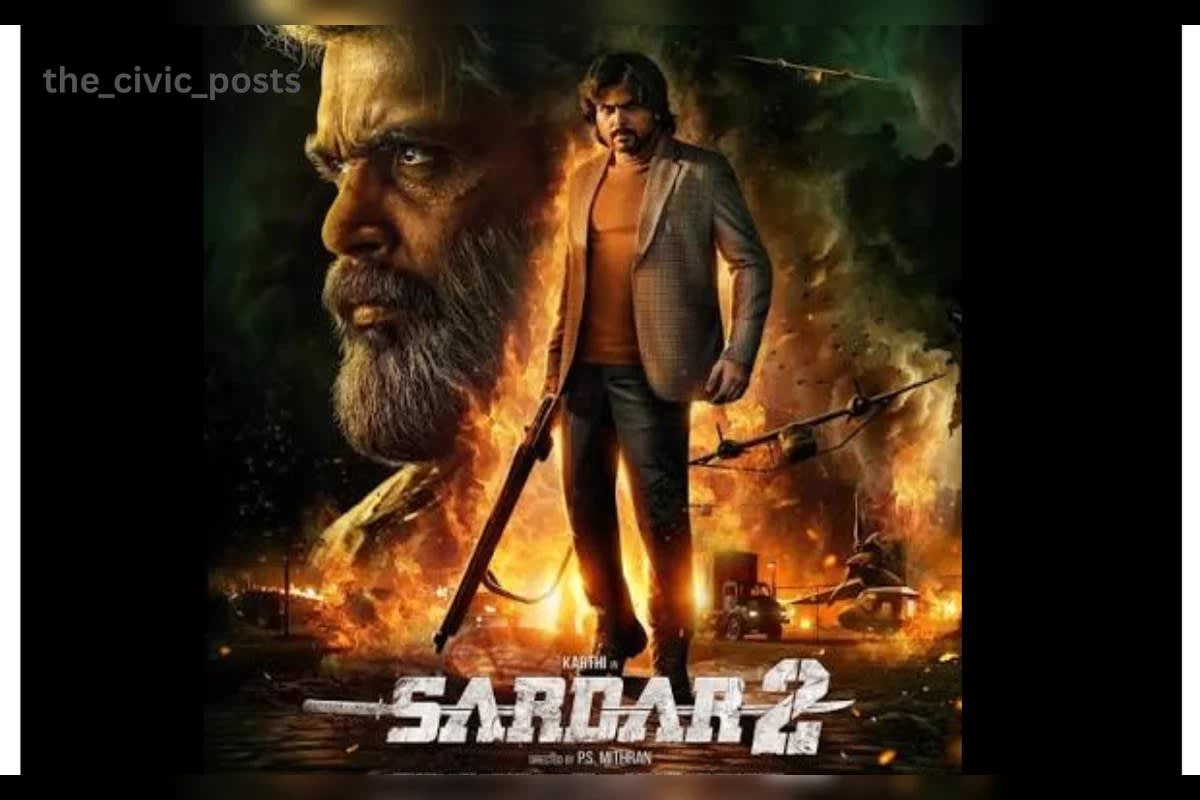
In today's film industry, sequels are common, but only a handful truly generate genuine excitement among audiences. The reason is simple: viewers expect more than a continuation of an existing story. They want bigger emotions, stronger characters, deeper conflicts, and a fresh cinematic experience. Sardar 2 enters the spotlight with exactly these expectations attached to it. As the next chapter in a successful spy-action franchise, the film carries the responsibility of building on its predecessor's success while creating an identity of its own.
The original Sardar attracted attention because it offered a different flavor of commercial cinema. Instead of relying solely on action scenes and larger-than-life moments, it presented a story rooted in sacrifice, responsibility, and patriotism. It explored the life of a man caught between personal emotions and national duty, creating a narrative that resonated with audiences on multiple levels. That emotional foundation became one of the biggest reasons for the film’s success.
Now, the sequel arrives with an opportunity to take that journey further. Rather than repeating the same formula, Sardar 2 has the chance to expand its world and explore new dimensions of its central character. This potential for growth is one of the reasons why fans are eagerly awaiting its release.
At its core, a spy thriller is not merely about secret missions or dangerous enemies. It is about individuals who operate in the shadows, often sacrificing their own happiness for a larger cause. These characters live double lives, constantly balancing personal relationships with professional responsibilities. Such a lifestyle creates emotional conflicts that can be just as compelling as physical battles.
The protagonist of Sardar represents this struggle perfectly. His strength does not come solely from combat skills or intelligence gathering. It comes from his willingness to endure hardships in pursuit of a greater purpose. This quality makes him more relatable and memorable than many conventional action heroes.
One of the most exciting possibilities for Sardar 2 is the exploration of untold stories from the character’s past. Every individual carries experiences that shape who they become. By diving deeper into these experiences, the film can reveal new layers of the protagonist’s personality and motivations.
Such storytelling allows audiences to understand not only what a character does but also why they do it. This emotional understanding creates a stronger connection between viewers and the narrative. Instead of simply watching events unfold, audiences become invested in the journey itself.
The spy genre provides an ideal platform for this type of storytelling because it naturally combines suspense with character development. Intelligence operations involve uncertainty, deception, and constant risk. Every mission presents challenges that test not only physical abilities but also emotional resilience and moral judgment.
These challenges become even more engaging when the consequences are personal. A mission is more than an assignment when failure threatens relationships, ideals, or lives. This emotional stake transforms suspense into something deeper and more meaningful.
Another important aspect of the sequel will likely be its treatment of conflict. Great stories are driven by meaningful opposition. Heroes become truly compelling when they face obstacles that challenge their beliefs and push them beyond their limits.
The antagonist plays a crucial role in this process. A memorable villain is not simply someone who opposes the hero. They are someone whose actions force the protagonist to question assumptions, confront fears, and make difficult choices.
Modern audiences appreciate villains who possess intelligence and complexity. Such characters feel more realistic and create stronger dramatic tension. Rather than presenting a straightforward battle between good and evil, they encourage viewers to think about motivations, consequences, and perspectives.
If Sardar 2 succeeds in creating this kind of dynamic, it can elevate the narrative beyond a traditional action film and into the realm of compelling drama.
Technology is another area where the sequel can distinguish itself. The world of espionage has evolved dramatically in recent years. Information has become one of the most valuable resources on the planet, and battles are increasingly fought through digital systems rather than conventional weapons.
Cybersecurity threats, surveillance networks, artificial intelligence, and data manipulation have transformed the nature of modern conflict. Incorporating these elements into the story would not only increase realism but also introduce new forms of suspense.
Unlike physical threats, digital dangers often remain invisible until it is too late. This creates unique storytelling opportunities where tension arises from uncertainty and hidden risks. Such themes can make the narrative feel contemporary while broadening the scope of the franchise.
Of course, action remains a major attraction. Audiences expect thrilling chases, intense confrontations, and spectacular sequences that showcase the scale of the story. However, the most effective action scenes are those that contribute to character development and plot progression.
A fight scene becomes memorable when it reflects a character’s emotional state. A chase sequence becomes exciting when viewers understand what is at stake. Action gains significance when it is connected to storytelling rather than existing solely for visual impact.
This approach allows filmmakers to create moments that are both entertaining and meaningful. Viewers are not simply watching events unfold; they are emotionally invested in the outcome.
The emotional foundation of Sardar 2 may ultimately determine its success. While action attracts audiences initially, emotion is what remains in their memories. Themes such as sacrifice, loyalty, trust, and perseverance resonate because they reflect universal human experiences.
People understand the desire to protect loved ones. They understand the pain of loss, the value of friendship, and the importance of standing by one’s principles. When films explore these themes effectively, they create connections that transcend language and cultural boundaries.
Family relationships, in particular, often serve as powerful emotional anchors. They remind audiences that even heroes have personal lives and vulnerabilities. These relationships provide context for the sacrifices characters make and add emotional weight to their decisions.
The growth of Tamil cinema has created an environment where ambitious projects like Sardar 2 can flourish. Filmmakers are increasingly embracing innovative storytelling techniques, advanced technology, and larger production scales. This evolution has helped regional cinema gain recognition on a national and global level.
Audiences now expect films that combine technical excellence with strong narratives. They appreciate stories that offer both entertainment and substance. Sardar 2 appears positioned to meet these expectations by blending commercial appeal with meaningful storytelling.
Music will also play an important role in shaping the audience’s experience. A powerful score can enhance tension, amplify emotion, and create a memorable atmosphere. In thrillers, music often serves as an invisible force guiding viewers through moments of suspense and drama.
Whether accompanying a dramatic revelation or a high-intensity action sequence, the soundtrack contributes significantly to the film’s overall impact. A well-crafted musical score can elevate even simple scenes and make them unforgettable.
As anticipation continues to build, the expectations surrounding Sardar 2 remain high. Fans hope to see a film that expands the franchise while remaining true to its emotional roots. They want a story that delivers excitement without sacrificing depth, and spectacle without losing substance.
Ultimately, the true strength of Sardar 2 will lie in its ability to tell a compelling story. Visual grandeur and action can capture attention, but strong characters and meaningful themes create lasting impressions. If the film successfully balances these elements, it could become one of the most memorable entries in the spy-thriller genre.
More importantly, it could demonstrate that commercial cinema can entertain audiences while also offering thoughtful storytelling. In an era where viewers are increasingly seeking depth alongside excitement, that achievement would make Sardar 2 far more than just another sequel. It would make it a film capable of leaving a lasting mark on audiences and strengthening its place in the evolving landscape of Indian cinema.