India-Ireland T20Is Rescheduled to Make Way for Women’s World Cup Spotlight
Editorial desk - JUN 25, 2026

Cricket administrators have once again shown how much the sport is evolving by making a scheduling decision that places fans at the center of the game. The upcoming T20 International series between India and Ireland will now begin earlier than originally planned, a move designed to prevent a clash with important matches in the Women’s T20 World Cup. While the adjustment may seem minor at first glance, it reflects a much larger story about the changing priorities of world cricket and the growing significance of women’s competitions on the global stage.
For years, scheduling conflicts have been a common challenge in international cricket. With multiple tournaments, bilateral series, domestic leagues, and global championships taking place throughout the year, it has become increasingly difficult to avoid overlaps. However, the latest decision involving the India-Ireland series highlights a conscious effort to ensure that cricket fans can enjoy major events without being forced to choose between them.
The revised schedule allows supporters to follow both the men’s series and the Women’s T20 World Cup more comfortably. In today’s digital age, fans are no longer limited to supporting only one team or one format. Many viewers actively follow men's cricket, women's cricket, franchise leagues, and international tournaments simultaneously. As a result, scheduling has become more important than ever.
The decision to alter the start times demonstrates a growing understanding of audience behavior. Cricket supporters today consume the sport differently than previous generations. They watch matches on television, stream games on mobile devices, participate in discussions on social media, and follow real-time updates throughout the day. When two major events take place at the same time, audience attention becomes divided, reducing the overall impact of both competitions.
By shifting the start of the India-Ireland matches, organizers have attempted to eliminate that problem. Instead of creating competition between two important cricket events, they have created a schedule that allows each contest to receive the attention it deserves. This approach not only benefits fans but also supports broadcasters, sponsors, players, and cricket boards.
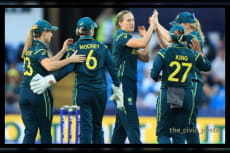
The move is particularly significant because it acknowledges the growing stature of women’s cricket. There was a period when women’s matches often received limited attention compared to men’s fixtures. That situation has changed dramatically over the past decade. Women's cricket has witnessed tremendous growth in popularity, professionalism, and global reach. Major tournaments now attract millions of viewers, generate strong commercial interest, and produce some of the most exciting moments in modern cricket.
The Women's T20 World Cup has become one of the most anticipated events in the cricket calendar. Teams from different parts of the world compete at the highest level, showcasing skill, determination, and competitiveness. The tournament has helped introduce new stars to global audiences and has inspired countless young players to take up the sport. Giving such an event adequate visibility is not only important for the tournament itself but also for the continued growth of women's cricket.
The scheduling adjustment reflects this changing reality. It signals that women’s cricket is no longer viewed as an afterthought. Instead, it is increasingly being treated as a major component of the global cricket ecosystem. Protecting viewership for important women’s matches sends a strong message about the sport’s future direction.
For India, the T20I series against Ireland remains an important assignment despite its short duration. Every international match offers valuable opportunities for preparation, experimentation, and team development. The T20 format continues to play a crucial role in modern cricket, and teams are constantly looking for ways to strengthen their squads and identify future match-winners.
Series like this often provide emerging players with a platform to prove themselves. Young cricketers get the chance to perform under international pressure, while established players can fine-tune their skills and maintain momentum. Such matches may not always carry the intensity of a major tournament final, but they play a significant role in shaping the future of a team.
Ireland, meanwhile, will view the series as an opportunity to compete against one of the strongest cricketing nations in the world. Matches against India carry immense value because they provide exposure to top-level competition and allow players to test themselves against elite opponents. For a developing cricket nation, such experiences are vital for growth and progress.
The revised timings also benefit broadcasters. Television networks and streaming platforms invest heavily in cricket rights, and maximizing audience reach is always a priority. When major events overlap, viewership can become fragmented. By avoiding a clash, broadcasters can potentially attract larger audiences for both competitions, creating a win-win situation for everyone involved.
Sponsors and commercial partners also benefit from this approach. Greater viewership means increased visibility for brands, making cricket events more attractive from a business perspective. As the sport continues to grow, such considerations become increasingly important in shaping scheduling decisions.
Beyond commercial benefits, the decision highlights a broader shift toward fan-centric planning. Modern sports organizations understand that the experience of supporters plays a major role in the success of any event. Fans invest their time, emotions, and attention in following the game. Making it easier for them to enjoy multiple competitions enhances their overall connection with the sport.
The scheduling change may appear simple, but it represents thoughtful planning. It recognizes that cricket is no longer divided into separate worlds of men's and women's competitions. Instead, it is part of a larger, interconnected ecosystem where every tournament contributes to the sport’s growth. Ensuring that major events complement rather than compete with each other is an important step forward.
Another interesting aspect of this decision is what it reveals about cricket’s future. As international calendars become increasingly crowded, administrators will need to find more innovative ways to manage scheduling challenges. The sport continues to expand, with new tournaments, leagues, and international events being added regularly. Careful planning will be essential to ensure that audiences remain engaged and that important competitions receive the attention they deserve.
The India-Ireland timing adjustment serves as an example of how small decisions can have a meaningful impact. It supports women’s cricket, improves the viewing experience, benefits broadcasters, and strengthens audience engagement. Most importantly, it demonstrates a willingness to adapt to changing circumstances and evolving fan expectations.
Cricket has always been a sport capable of reinventing itself. From the introduction of limited-overs cricket to the rise of T20 leagues and the growing prominence of women’s tournaments, the game has continually adapted to new realities. The latest scheduling decision is another example of that evolution.
Ultimately, the revised timings are about much more than logistics. They reflect the sport’s commitment to inclusivity, audience satisfaction, and balanced growth. By ensuring that fans can enjoy both the India-Ireland series and the Women’s T20 World Cup without unnecessary overlap, cricket administrators have taken a step that benefits the entire cricketing community.
The decision may have altered the clock by just an hour, but its significance extends far beyond that. It represents a modern approach to managing the sport-one that values every competition, respects every audience, and recognizes that cricket’s future depends on creating opportunities for all forms of the game to thrive together.