Historic Breakthrough: Egypt Silence Doubters with 3-1 Win Over New Zealand
Editorial desk - JUN 22, 2026
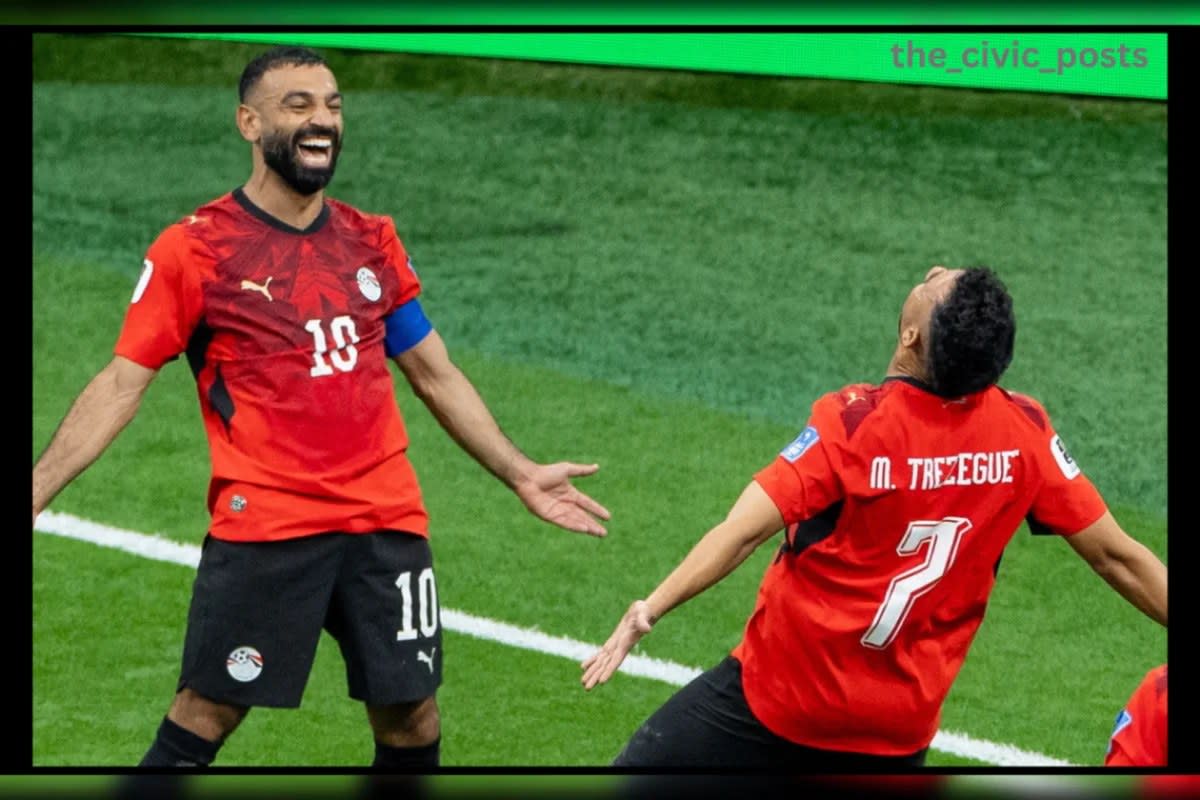
Egypt’s 3-1 victory over New Zealand in their World Cup encounter marked a historic and emotionally charged moment for Egyptian football, as the team finally registered their first-ever win on football’s biggest stage. It was not just a result on the scoreboard, but a performance that reflected resilience, belief, and the influence of a world-class leader in Mohamed Salah, who once again proved why he remains central to Egypt’s football identity. The match carried a dramatic flow, beginning with tension and uncertainty, and ending in celebration for African football fans who have long waited for Egypt to make a strong impact at the tournament level.
The opening phase of the match belonged to New Zealand, who approached the game with structure and discipline. They were organized defensively and confident in their transitions, pressing Egypt at key moments and preventing them from settling into a comfortable rhythm. Egypt, on the other hand, appeared slightly unsettled in the early minutes, struggling to connect passes cleanly in the attacking half.
Their build-up play lacked fluidity, and attempts to break through the New Zealand defense were often interrupted before becoming dangerous. This early imbalance created pressure on Egypt, especially as New Zealand gradually found openings through set pieces and well-timed forward movements.
The breakthrough came when New Zealand capitalized on their early momentum. A well-delivered ball into the box resulted in Finn Surman rising above the defense to head home the opening goal. The strike shifted the emotional tone of the match, giving New Zealand confidence while leaving Egypt searching for answers. For a brief period, Egypt looked under pressure, as their attacking attempts failed to translate into meaningful chances. The first half became a test of patience for them, as they tried to regroup and avoid conceding further before the break. Despite flashes of individual skill, they could not find a way past a compact and disciplined New Zealand defense, and the halftime whistle arrived with Egypt trailing and needing a response.
The second half, however, unfolded in a completely different manner. Egypt returned to the pitch with renewed energy, sharper passing, and a more aggressive mindset. The transformation was visible almost immediately, as they began pushing higher up the field and increasing the tempo of their attacks.
Their midfield started controlling possession more effectively, allowing them to dictate the rhythm of the game rather than reacting to it. The shift in intensity placed New Zealand under sustained pressure, forcing them deeper into their own half and limiting their ability to counterattack.
Egypt’s equalizer came through Mostafa Mohamed, who reacted sharply inside the penalty area to convert a well-worked attacking move. The goal was significant not just because it leveled the score, but because it completely changed the atmosphere of the match. The confidence within the Egyptian side grew instantly, and their attacking movements became more coordinated and purposeful. The crowd energy shifted as well, sensing that the momentum had turned.
From that point onward, Mohamed Salah began to take full control of the game. As captain, he stepped into a leadership role that extended beyond scoring goals. His movement off the ball created constant problems for the New Zealand defense, drawing defenders out of position and opening space for teammates. Every time he received the ball, there was a sense of danger, as his ability to accelerate, change direction, and deliver decisive passes made him the focal point of Egypt’s attack.
Salah’s impact soon became decisive when he scored Egypt’s second goal. The finish reflected his sharp awareness and ability to capitalize on small openings inside the penalty area. It was a moment that showcased his experience at the highest level of football, as he remained calm under pressure and executed with precision. The goal not only put Egypt ahead but also symbolized the team’s complete turnaround from their first-half struggles.
What made Salah’s performance even more influential was his contribution beyond scoring. He later provided a crucial assist that led to Egypt’s third goal, further extending their lead and effectively sealing the match. His vision allowed him to identify attacking runs at the right moment, and his passing created a clear scoring opportunity for his teammate. This combination of goal scoring and playmaking highlighted his complete impact on the game, reinforcing his status as the driving force of the Egyptian national team.
As Egypt moved ahead 3-1, the match gradually slipped out of New Zealand’s reach. Despite their efforts to regain control, they found it increasingly difficult to break through Egypt’s improved defensive structure. The African side managed the game intelligently in the final stages, controlling possession and minimizing risks. Their midfield maintained composure, and their defensive line stayed organized to prevent any late comeback attempts.
The final whistle confirmed a historic achievement for Egypt. This was more than just a group-stage victory; it was their first-ever win in a FIFA World Cup match, a milestone that carries deep significance for the nation and its football history. For years, Egypt has been a strong force in African football but has struggled to translate that success onto the World Cup stage. This victory represents a breakthrough moment, offering both relief and renewed hope for the future.
For Mohamed Salah, the match added another memorable chapter to his international career. Already recognized as one of the world’s top footballers, his leadership and performance in this game reinforced his importance to Egypt’s ambitions. His ability to deliver in crucial moments continues to inspire both teammates and fans, making him not just a star player but also a symbol of national pride.
The victory also strengthens Egypt’s position in the tournament, giving them momentum heading into their remaining group matches. Confidence plays a crucial role in international competitions, and this result provides a strong foundation for their next challenges. The team will now look to build on this performance, improve consistency, and maintain the attacking intensity shown in the second half.
For New Zealand, the match serves as a learning experience. Their early performance demonstrated discipline and structure, but sustaining that level for the full duration of the match proved difficult. They will need to analyze their second-half decline and work on maintaining defensive stability under pressure.
In the broader context of the tournament, Egypt’s win adds excitement and unpredictability to the group stage. It highlights how quickly momentum can shift in football and how individual brilliance, combined with collective effort, can change the outcome of a match. Egypt’s comeback, driven by resilience and Salah’s leadership, will be remembered as one of the defining moments of their World Cup journey.
Ultimately, this 3-1 victory is more than just a statistic. It is a story of perseverance, adaptation, and leadership. Egypt overcame early setbacks, responded with determination, and delivered a performance that will be remembered for years. With Mohamed Salah leading from the front, the team showed that belief and unity can transform pressure into triumph, marking a new and proud chapter in their football history.