How Health Apps Are Changing the Lives of Diabetes Patients
Kranthi Shekar - JUN 24, 2026
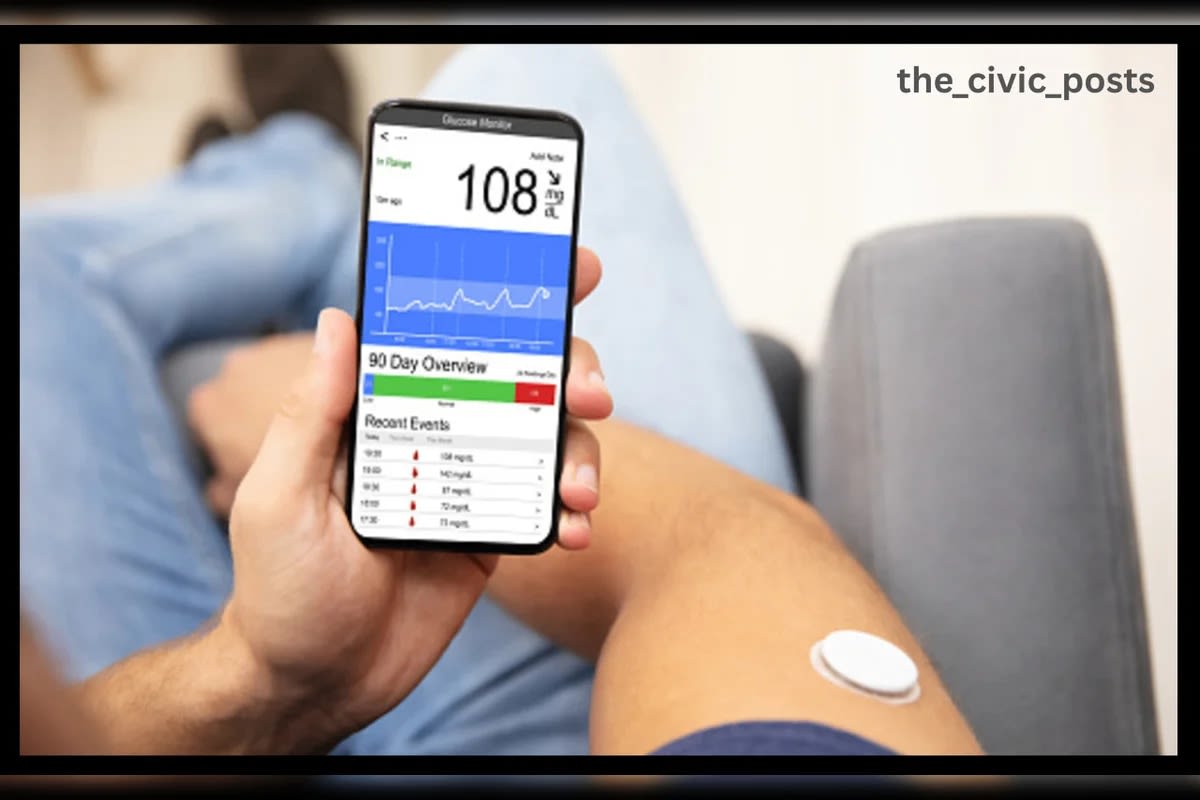
Diabetes is no longer viewed as a condition that can be managed only through periodic doctor visits and medication. The rise of digital technology has introduced new ways for patients to take charge of their health, making disease management more active, personalized, and effective. Among the most significant developments in recent years is the growing use of health applications, which are helping people with diabetes monitor their condition more closely while improving overall health outcomes.
Managing diabetes is a daily responsibility. Every meal, every physical activity, and even sleep patterns can influence blood sugar levels. For many patients, keeping track of these factors consistently can be difficult. Busy schedules, stress, and lack of awareness often make long-term disease management challenging. Health apps are helping bridge this gap by providing practical tools that fit directly into a person's daily routine.
Unlike traditional methods that rely heavily on occasional medical consultations, health applications offer continuous support. They allow users to record blood sugar readings, track medications, monitor exercise, and maintain dietary logs. Having all this information available in one place makes it easier for individuals to understand their health patterns and make informed decisions.
One of the biggest advantages of these applications is that they encourage self-discipline. Managing a chronic condition requires consistency, and many people struggle to maintain healthy habits over long periods. Digital reminders, progress tracking, and personalized alerts help users stay focused on their goals. A simple notification reminding someone to take medication or check glucose levels can prevent missed treatments and improve overall disease control.
These applications also help patients become more aware of the relationship between lifestyle choices and health outcomes. For example, a person may notice that regular physical activity helps stabilize blood sugar levels, while certain foods cause unexpected spikes. This real-time feedback transforms health management from guesswork into a more informed process. The more individuals understand their bodies, the better equipped they are to make healthier choices.
Another important benefit is the sense of empowerment that technology provides. Many diabetes patients feel overwhelmed by the demands of managing a lifelong condition. Health apps can reduce this burden by simplifying tasks and presenting information in an easy-to-understand format. When users can clearly see their progress and achievements, they often develop greater confidence in their ability to manage their health successfully.
Improved self-management naturally contributes to better health outcomes. Stable blood sugar levels reduce the risk of serious complications that can affect the heart, kidneys, eyes, and nervous system. These complications are not only dangerous but also expensive to treat. By helping patients maintain better control of their condition, health applications play a role in preventing many long-term health issues before they become severe.
The financial impact of effective disease management cannot be ignored. Diabetes treatment often involves ongoing medical expenses, including consultations, tests, medications, and hospital care. When complications arise, costs can increase significantly. Health applications support preventive care by encouraging healthy behaviors and early intervention. As a result, patients may experience fewer emergencies, fewer hospital admissions, and lower overall healthcare expenses.
The ability to collect and organize health data is another feature that adds tremendous value. Patients often struggle to remember details about their condition during medical appointments. With digital records available at their fingertips, they can provide doctors with accurate information about their health history, daily habits, and treatment progress. This leads to more productive consultations and better-informed medical decisions.
Technology is also strengthening communication between patients and healthcare providers. Many digital platforms now allow users to share health data directly with medical professionals. This creates opportunities for timely guidance and adjustments to treatment plans when necessary. Instead of waiting weeks or months for the next appointment, patients can receive support more efficiently and address potential concerns before they escalate.
The increasing popularity of virtual healthcare services has further enhanced the usefulness of health applications. Remote consultations have become a practical option for many people, especially those who live far from medical facilities or have limited mobility. Combined with health monitoring tools, telemedicine offers a convenient and accessible way to manage chronic conditions without frequent travel or long waiting times.
What makes health applications particularly effective is their integration into everyday life. Smartphones have become an essential part of modern living, and incorporating health management into devices people already use regularly increases engagement. Rather than requiring special equipment or complicated procedures, these tools make healthcare accessible through familiar technology.
The success of health apps also reflects a broader shift in healthcare philosophy. The focus is gradually moving from treating illness to preventing it. Instead of waiting for complications to develop, healthcare providers are encouraging patients to monitor their health continuously and take action early. This proactive approach not only improves individual outcomes but also reduces pressure on healthcare systems.
Of course, technology is not a complete solution. Effective diabetes management still requires professional medical advice, regular check-ups, and personal commitment. Health applications are most effective when used as supportive tools rather than replacements for healthcare professionals. Patients must continue following medical guidance while using technology to enhance their daily management efforts.
There are also challenges that need attention. Access to smartphones and reliable internet services remains limited in some regions. Additionally, some individuals may find digital tools difficult to use, particularly older adults who are less familiar with technology. Ensuring that health applications are simple, accessible, and secure will be important for expanding their benefits to a wider population.
Looking ahead, the future of digital health appears increasingly promising. Advances in artificial intelligence, wearable devices, and predictive analytics are expected to make health applications even smarter and more personalized. Future platforms may be able to detect risks earlier, offer customized recommendations, and provide more accurate health insights tailored to individual needs.
The growing adoption of health applications demonstrates how technology can become a valuable partner in healthcare. For people living with diabetes, these tools are helping transform disease management from a challenging daily struggle into a more organized and manageable process. By promoting awareness, encouraging healthy habits, supporting communication with healthcare providers, and reducing medical costs, health apps are creating new opportunities for better health and improved quality of life.
As healthcare continues to evolve, digital solutions are likely to play an even greater role in helping individuals take control of their well-being. The experience of diabetes patients shows that when technology and healthcare work together, the result can be a healthier, more informed, and more empowered population.