Fatty Liver Alert: 5 Foods That May Help Improve Liver Health
Kranthi Shekar - JUN 16, 2026
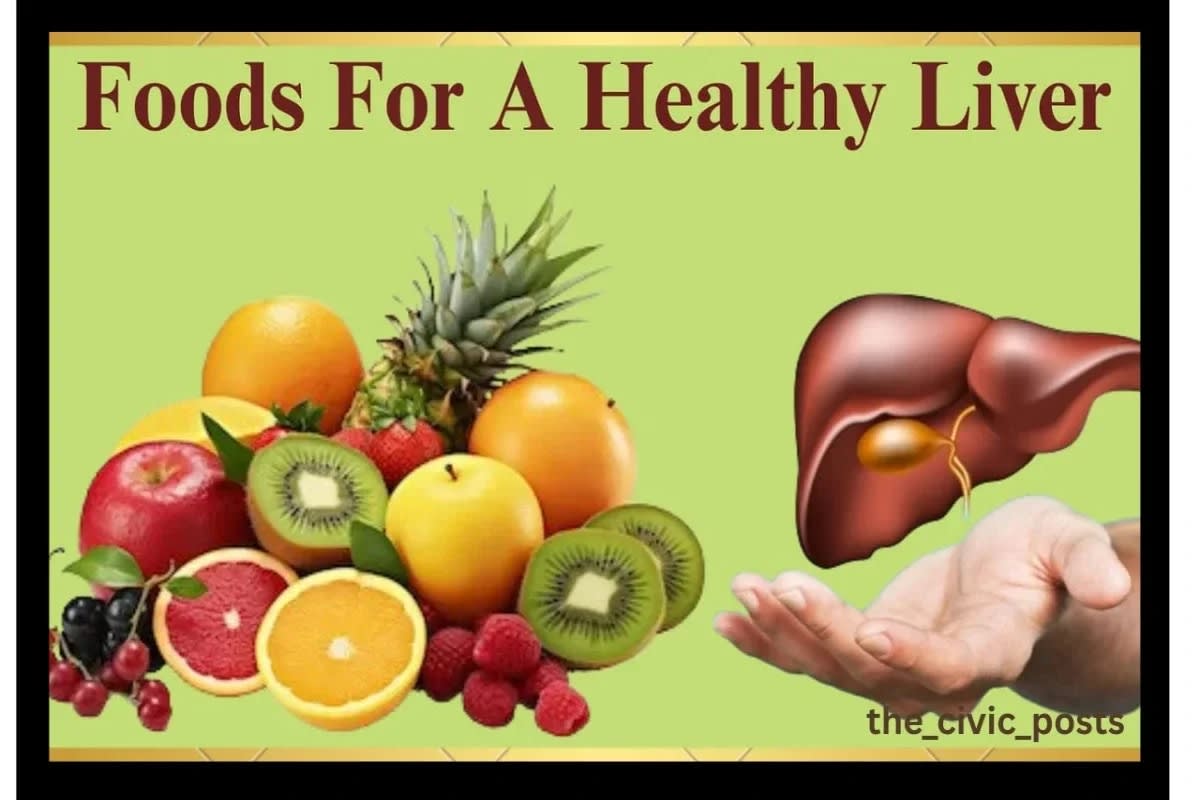
The human liver acts as the primary filtration, metabolic, and detoxification hub of the body, quietly executing hundreds of vital biochemical operations every single day. Despite its extraordinary ability to self-repair and regenerate, the widespread prevalence of sedentary modern routines and highly processed, calorie-dense foods has led to a major worldwide spike in metabolic disorders. Among these conditions, non-alcoholic fatty liver disease stands out as a critical public health issue that silently affects vast populations across the globe. Because the initial stages of lipid accumulation inside hepatic cells rarely manifest as obvious physical warning signs, an overwhelming number of individuals remain completely unaware that their internal organs are under severe distress.
The progressive worsening of this condition is deeply intertwined with localized tissue inflammation, metabolic insulin resistance, and cumulative cellular oxidative stress. Fortunately, leading medical experts consistently stress that targeted nutritional intervention is one of the most potent, accessible, and scientifically sound strategies available to stop, manage, and frequently completely reverse hepatic fat buildup.
A prominent liver specialist and board-certified gastroenterologist recently brought vital clarity to this health crisis by sharing the precise, evidence-backed dietary habits he personally maintains to shield his own body against hepatic fat accumulation. Rather than endorsing highly restrictive, short-term starvation diets that are impossible to sustain, his methodology emphasizes the conscious introduction of nutrient-rich, functional whole foods. These structural choices are naturally abundant in organic antioxidants, healthy unsaturated lipids, essential micronutrients, soluble dietary fibers, and protective plant-derived polyphenols.
By systematically targeting the foundational physiological mechanisms of metabolic dysfunction, these specific organic compounds work collectively to quell cellular inflammation, shield sensitive liver tissue from ongoing oxidative destruction, and actively impede the hazardous storage of excess triglycerides within hepatic structures.
A core foundation of this protective eating regimen is the deliberate integration of items rich in healthy, unsaturated fats. A widespread and highly detrimental myth surrounding the management of fatty liver conditions is that all forms of dietary lipid intake must be completely eliminated from the plate. In truth, the specific molecular structure of the fat being ingested plays an absolute, defining role in determining an individual's metabolic trajectory.
Saturated lipids and artificial trans fats, which routinely saturate deep-fried delicacies, fast foods, and heavily industrialized packaged snacks, directly accelerate the dangerous biological pathway known as de novo lipogenesis-the process by which the liver creates brand-new fat deposits within its own tissue. On the other side of the spectrum, monounsaturated and polyunsaturated fats exert profound, clinically validated anti-inflammatory effects that reinforce overarching metabolic efficiency.
Prioritizing foods like cold-pressed extra virgin olive oil, raw tree nuts, and fresh avocados provides the human system with exceptionally clean lipid blocks that aid in optimizing cholesterol ratios and stabilizing internal insulin sensitivity. Simply swapping out industrial seed oils for olive oil as a primary culinary base, enjoying a small ration of raw almonds or walnuts as a midday snack, or introducing fresh avocado slices into daily meals are highly efficient ways to supply hepatic cells with protective fatty acids that reduce systemic stress.
In close alignment with these monounsaturated choices, the consistent consumption of marine-sourced omega-3 fatty acids serves as a vital biological shield against the advancement of metabolic liver degradation. These unique polyunsaturated fats are highly regarded in medical science for their distinct capability to actively break down and clear away the excess triglyceride reserves trapped inside liver structures, while simultaneously turning off the chronic, low-grade inflammatory signaling pathways that eventually culminate in permanent tissue scarring. Excellent, highly bioavailable marine sources of these essential omega-3s include cold-water fatty fish such as wild-caught salmon, Atlantic mackerel, and sardines.
Incorporating these specific varieties into a dinner menu just twice a week can drastically improve the underlying lipid profile of the liver. For individuals adhering to strict plant-based lifestyles, the natural world offers phenomenal alternatives such as organic chia seeds, freshly ground flaxseeds, and raw hemp seeds, all of which contain rich concentrations of alpha-linolenic acid. Incorporating a spoonful of these versatile seeds into morning grain bowls or blending them seamlessly into dense nutritional smoothies provides an easy, highly concentrated payload of liver-protective nutrition.
Another fundamentally indispensable element of a liver-conscious lifestyle is the daily consumption of heavy antioxidants, specifically those found in whole, vibrant fruits that are loaded with natural vitamin C. This particular micronutrient functions as an exceptional, frontline scavenger of free radicals-volatile and unstable molecular fragments that instigate cellular oxidative damage and accelerate the degradation of healthy hepatic tissue.
Regularly eating citrus fruits like fresh oranges, grapefruits, and nutrient-packed kiwis ensures a continuous, reliable shield for delicate liver cells. Beyond the immediate benefits of vitamin C, integrating deeply pigmented wild berries-including blueberries, blackberries, and red raspberries-adds a massive protective layer of anthocyanins to the body's defenses. These specific plant-derived pigments are highly celebrated by medical researchers for their documented capacity to insulate liver architecture against structural harm and effectively slow down the dangerous progression of organ fibrosis.
Furthermore, enjoying natural whole snacks like organic dates or fresh pomegranates delivers an abundance of beneficial polyphenols that naturally lower systemic inflammation. Combining high-fiber dates with omega-3-dense walnuts creates an exceptional, natural snack option that provides a powerful, double-action defense for optimal metabolic function.
Beyond solid food selections, the everyday beverages an individual chooses to consume can either put a heavy structural strain on the body or actively assist natural hepatic cleansing cycles. Two specific beverages stand out prominently in medical literature for their scientifically demonstrated capabilities in boosting liver health: premium black coffee and traditional green tea.
The routine intake of unsweetened black coffee has been repeatedly shown to provide specialized bioactive compounds that drastically limit the long-term buildup of fat and significantly lower the statistical risk of developing permanent, irreversible liver scarring. To unlock the highest therapeutic rewards, experts suggest drinking two to three cups of pure black coffee each day, entirely free from industrial sugars, heavy dairy creams, or chemical syrups, as these synthetic additives can instantly cancel out the beverage's innate healing properties.
In a similar fashion, traditional green tea and its intensely concentrated powdered counterpart, matcha, are incredibly abundant in catechins. These potent, naturally occurring antioxidants have been shown to optimize general metabolic speed, help the liver flush out stubbornly trapped lipid pockets, and maximize the organ's natural detoxification pathways.
Ultimately, protecting and managing the human liver against the complex challenges of modern metabolic illnesses does not demand aggressive chemical pharmaceuticals or highly complicated medical interventions. Instead, it relies on a steady, long-term commitment to utilizing the natural, protective properties found in whole-food nutrition.
By making it a daily priority to consume a wide variety of healthy unsaturated lipids, marine or plant-based omega-3 fatty acids, deeply colored antioxidant-packed fruits, and clean, liver-supportive beverages, anyone can actively cultivate an internal biological environment that blocks fat storage and stimulates rapid cellular recovery.
This expert-validated approach proves that through thoughtful, deliberate, and sustainable adjustments to our daily diet, it is entirely possible to insulate this vital organ, rebuild peak metabolic efficiency, and create a truly lasting foundation for lifelong physical health and vitality.