TG20 League Controversy Deepens as Legal Notices Reach Film Stars
Editorial desk - JUN 18, 2026

Cricket and cinema are two of the most influential forces in Indian popular culture. When these worlds come together, they often create enormous excitement, drawing attention from millions of fans. Over the years, celebrities have become an integral part of sports marketing, helping leagues and tournaments build visibility and attract larger audiences. However, when disputes emerge surrounding sporting events, public attention can quickly shift from the game to the controversy itself.
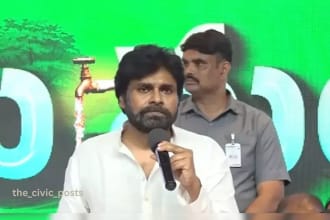
The recent developments surrounding the TG20 League have become a major talking point in both cricket and entertainment circles. The issue has generated widespread discussion, not only because of the league itself but also because prominent film personalities have reportedly become connected to the controversy. While the matter continues to attract public interest, it also highlights larger questions about sports governance, promotional partnerships, and the growing relationship between entertainment and athletics.
In today's sports industry, launching a cricket league involves far more than organizing matches. Modern tournaments are complex enterprises that require extensive planning, investment, branding, sponsorships, media partnerships, and regulatory approvals. Every successful league is supported by a vast network of stakeholders working together to ensure smooth operations.
The popularity of T20 cricket has transformed the sporting landscape over the past two decades. The format's fast-paced nature, entertainment value, and commercial potential have inspired the creation of numerous leagues across different regions. State-level tournaments have emerged as important platforms for identifying new talent and expanding cricket's reach beyond traditional centers.
Regional leagues serve several important purposes. They provide opportunities for young cricketers to compete at a higher level, gain valuable experience, and showcase their abilities before selectors and franchise scouts. For many aspiring players, these tournaments act as stepping stones toward larger competitions and professional careers.
Beyond talent development, regional leagues also contribute to local economies. They generate employment opportunities, attract sponsorship investments, increase tourism activity, and create business opportunities for a variety of service providers. When organized effectively, such tournaments can become valuable assets for sports development and regional growth.
However, building a successful league is not without challenges. Organizers must navigate legal requirements, establish partnerships, secure permissions, coordinate logistics, and maintain positive relationships with governing bodies. Even minor disagreements can sometimes escalate into larger disputes if not addressed promptly and transparently.
The TG20 controversy has brought these challenges into focus. Although sporting controversies are not uncommon, they often reveal the complexities involved in managing modern sports properties. Behind every tournament lies a network of contracts, approvals, regulations, and commercial arrangements that must function smoothly for the event to succeed.
One of the reasons this issue has attracted significant attention is the involvement of well-known personalities from the film industry. Celebrity endorsements have become a common feature of sports promotions because they help leagues capture public attention. Popular actors often serve as ambassadors, appearing in advertisements, promotional campaigns, and launch events.
From a marketing perspective, celebrity involvement offers substantial advantages. Film stars possess loyal fan bases and extensive media reach. Their support can help tournaments gain visibility, attract sponsors, and create excitement before the first match is even played. In a highly competitive entertainment market, such endorsements are often viewed as valuable promotional tools.
Yet celebrity associations can also create unique challenges. Public figures typically participate in promotional activities without being involved in the operational or administrative management of an event. Their role is generally limited to increasing awareness and supporting branding efforts. However, when disputes emerge, public perception may not always distinguish between promotional involvement and organizational responsibility.
This reality reflects the broader influence that celebrities have in contemporary society. Their endorsements carry significant weight, and audiences often associate them closely with the projects they support. As a result, any controversy linked to those projects can generate additional attention due to the involvement of recognizable public figures.
The situation also highlights the increasing commercialization of sports. Cricket today is not only a competitive activity but also a major business ecosystem involving sponsors, broadcasters, investors, advertisers, and digital platforms. The financial stakes associated with tournaments have grown substantially, making governance and compliance more important than ever.
Strong governance serves as the foundation of any successful sporting event. Clear regulations, transparent decision-making, and effective communication help build trust among participants and stakeholders. Without these elements, misunderstandings can arise and potentially undermine confidence in a tournament's operations.
Transparency is particularly important in sports administration because it promotes accountability. Players, sponsors, fans, and investors all expect competitions to operate fairly and professionally. When questions arise regarding permissions, ownership, or organizational processes, stakeholders often seek clear explanations and timely resolutions.
For cricket fans, administrative controversies can be disappointing because they divert attention away from the sport itself. Most supporters are interested in player performances, team rivalries, and memorable matches rather than legal disputes. Nevertheless, governance issues remain a critical aspect of maintaining the integrity and credibility of any competition.
The growth of regional cricket leagues has increased the importance of establishing robust administrative frameworks. As more tournaments enter the market, competition for players, sponsors, and audiences becomes more intense. Organizers must therefore ensure that their operations meet professional standards and comply with applicable regulations.
Another important lesson from situations like this is the need for effective stakeholder management. Sporting events involve multiple parties with different objectives and responsibilities. Successful coordination requires ongoing communication, mutual understanding, and clearly defined agreements. When expectations are aligned, the likelihood of disputes decreases significantly.
The incident also serves as a reminder that reputation is one of the most valuable assets in sports and entertainment. Organizers work hard to build credibility, while celebrities carefully manage their public image. Maintaining trust is essential because public perception can influence future opportunities, partnerships, and audience engagement.
As the sports industry continues to evolve, the relationship between cricket and entertainment is expected to become even stronger. Fans increasingly seek experiences that combine athletic competition with elements of popular culture. Celebrity appearances, digital engagement, and innovative marketing strategies have become key components of modern sports events.
This convergence creates exciting possibilities but also requires careful management. Every partnership must be structured in a way that protects the interests of all parties while ensuring compliance with legal and professional standards. Clear communication and transparency remain essential for achieving these goals.
The broader significance of the TG20 controversy extends beyond the immediate dispute. It highlights the challenges faced by emerging sports properties in an increasingly competitive environment. Organizers must balance ambition with responsibility, ensuring that promotional success is supported by strong administrative foundations.
For the cricket community, the episode underscores the importance of preserving trust and professionalism. Fans invest emotionally in the sport, and they expect tournaments to uphold the values of fairness, accountability, and integrity. Meeting these expectations is essential for sustaining long-term growth.
Ultimately, the future of any sporting league depends on more than marketing campaigns or celebrity endorsements. While public visibility is important, sustainable success is built on sound governance, transparent operations, and positive stakeholder relationships. These principles help create an environment where players can perform, fans can engage, and organizers can achieve their objectives.
As discussions surrounding the TG20 League continue, many observers will be watching closely to see how the situation develops. Regardless of the final outcome, the controversy has already sparked important conversations about sports administration, promotional partnerships, and the responsibilities that come with managing modern cricket competitions.
In the end, the episode serves as a valuable reminder that successful sports ventures require both vision and accountability. While ambition drives growth, credibility ensures longevity. For cricket leagues seeking to establish themselves in a competitive marketplace, maintaining that balance remains one of the most important challenges-and one of the most important responsibilities.