The Truth Beneath The Cream Frosting
Jennifer - FEB 14, 2026
What Truly Lies Beneath the Price of a Cake
In a world increasingly attentive to provenance—of coffee beans, fabrics, and fine chocolate—there remains one indulgence we rarely question: cake.
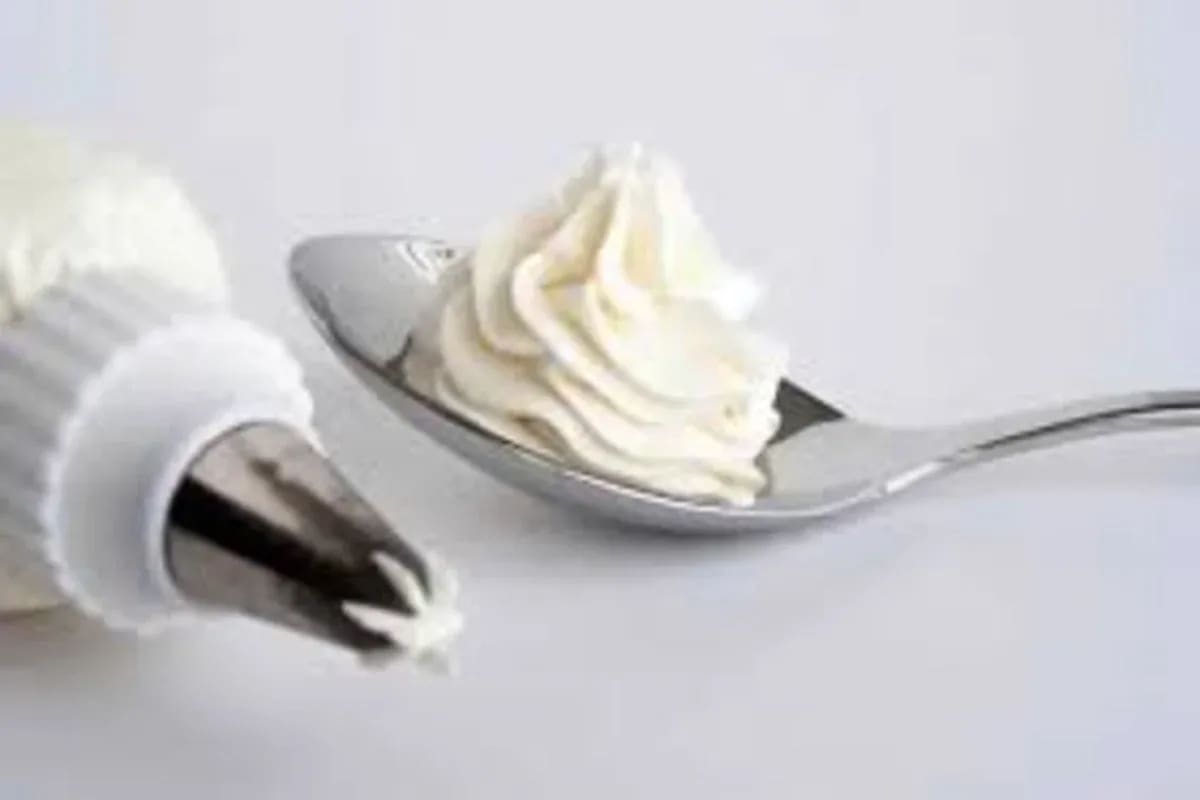
Two cakes may appear nearly identical. Smooth cream frosting, immaculate piping, flawless white swirls. Yet one is priced accessibly, while the other commands a premium. The difference is rarely decorative or cosmetic.
It is, quite simply, the cream frosting itself.
The Quiet Prevalence of Non-Dairy Cream Frosting
Behind the scenes of many commercial bakeries, non-dairy cream frosting has become the industry default. Often referred to casually as soy cream, the term suggests something light or plant-forward. In reality, most such frostings contain little to no soy.
They are typically formulated from:
Hydrogenated vegetable fats (most commonly palm-based)
Sugar
Emulsifiers and stabilisers
Artificial flavourings
Water
These products are designed for consistency, stability, and visual perfection, rather than flavour depth or nourishment.
Why Bakeries Choose It—and Why Cakes Cost Less
Non-dairy cream frosting performs exceptionally well, particularly in warm climates.
It whips quickly, holds sharp peaks for extended periods, withstands heat and transport, and maintains its structure through long display hours. It rarely over-whips and delivers a predictably smooth, polished finish.
Most notably, it is significantly more economical than real dairy cream frosting.
For high-volume bakeries and dessert chains, this means reduced ingredient costs, minimal wastage, and the ability to offer competitively priced products at scale.
A Familiar Flavour Profile
For many consumers, the taste of non-dairy cream frosting feels familiar—almost nostalgic. Its mild sweetness and vanilla-forward notes have shaped what “bakery cake” has meant for decades.
Yet familiarity should not be mistaken for quality.
That ultra-smooth texture often leaves a subtle waxy coating on the palate—a sensation that becomes evident when compared with real dairy cream frosting, which tastes cleaner, lighter, and more nuanced.
The Health Conversation Often Left Unspoken
Non-dairy cream frostings are highly processed foods, engineered primarily for shelf life and stability.
They typically contain:
Hydrogenated and saturated fats
Artificial flavour compounds
No naturally occurring protein, calcium, or essential vitamins
While visually appealing, they offer little in terms of nourishment—an important consideration for children, the elderly, and health-conscious consumers.
Why Real Dairy Cream Frosting Costs More
What many consumers may not realise is that high-quality dairy cream frosting is expensive—and in many cases, imported.
Premium dairy creams used in fine baking are often sourced from:
Europe
Australia
New Zealand
Their higher cost reflects:
Import duties and logistics
Strict cold-chain storage requirements
Shorter shelf life
Sensitivity to heat and handling
Unlike non-dairy alternatives, dairy cream is less forgiving. It melts easily, over-whips quickly, and requires experience and care—especially in warmer climates. In return, it delivers unmistakable richness, authenticity, and depth of flavour.
Transparency as a Mark of Quality
As consumer awareness grows, ingredient transparency becomes a quiet marker of integrity.
Bakeries should clearly state whether their cakes are finished with dairy cream frosting or non-dairy cream frosting, particularly when phrases like “fresh cream” are used. This clarity allows consumers to make informed choices without judgement.
Equally, consumers should feel comfortable asking a simple question: “Is this cake made with dairy cream frosting or non-dairy cream frosting?”
It is not confrontation—it is discernment.
Choosing With Intention
A lower-priced cake is not inherently inferior. But understanding why it is priced that way allows for conscious choice.
Supporting transparency in baking encourages:
Better food awareness
Ethical practices
Skilled craftsmanship
Honest
Jennifer Inti