Beyond the Hype: What Vijay’s First 40 Days Reveal About His Leadership
Alekhya Kota - JUN 24, 2026
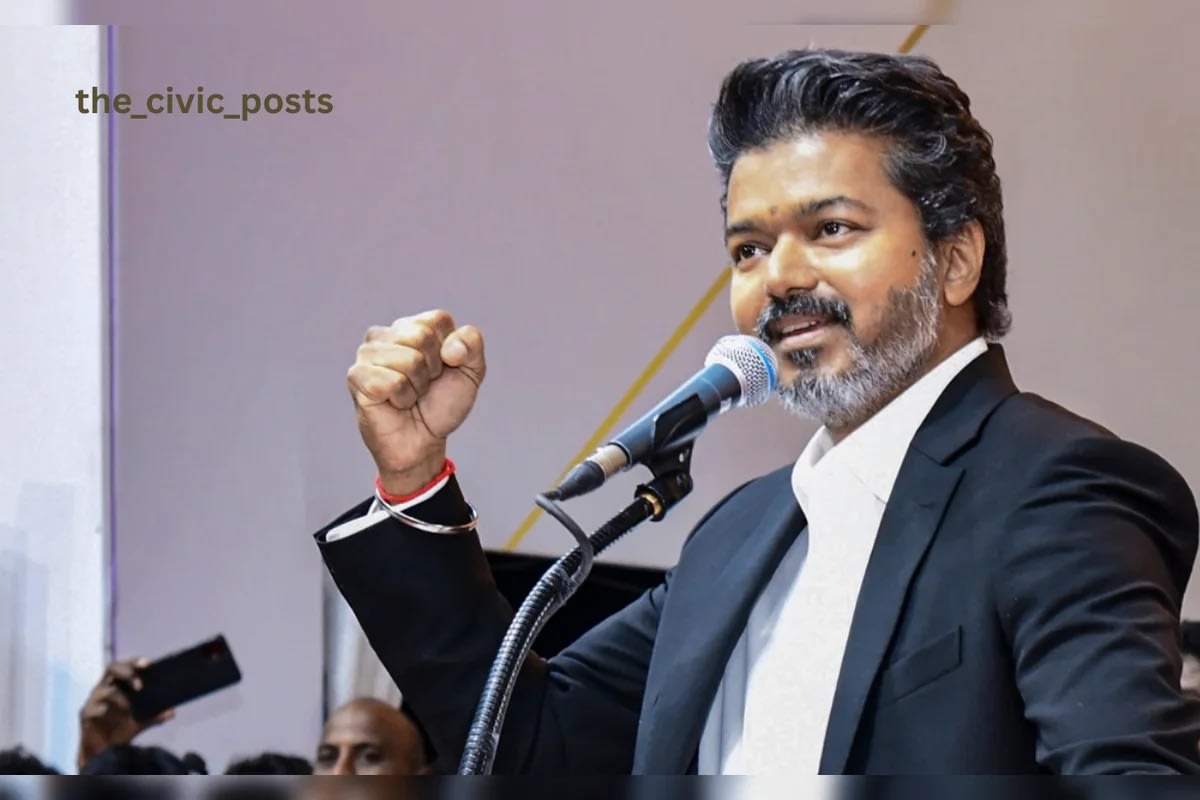
Every election creates expectations. People vote not only for a party or a leader but also for a vision of what the future could look like. Once the celebrations end and a new government assumes office, the real challenge begins. Promises made during campaigns are tested against administrative realities, public expectations, and the complexities of governance. In Tamil Nadu, the first 40 days of the TVK government under Chief Minister C. Joseph Vijay have become a focal point of public discussion because they mark the start of a new political journey that many are watching closely.
Forty days may appear to be a short period in the life of a government, but politically it carries significant importance. The early days of an administration often reveal its priorities, governing philosophy, and approach to leadership. Citizens begin to assess whether the government is serious about its commitments and whether its actions align with the promises that helped it secure public support.
The arrival of Vijay as Chief Minister represents one of the most talked-about political transitions in recent years. For a long time, he was known as one of Tamil cinema’s most influential stars. His popularity extended across generations, and his screen image often reflected themes of justice, determination, and concern for ordinary people. These qualities helped create a strong emotional connection with the public.
However, governance is very different from cinema. In films, challenges are resolved within a few hours, and heroes often achieve success through dramatic action. Real-world administration is far more complicated. It involves policies, institutions, financial planning, negotiations, and long-term decision-making. The first 40 days have therefore been viewed as the initial stage of Vijay’s transformation from a cultural icon into a political leader responsible for governing an entire state.
One of the strongest messages emerging from the administration’s early phase is the desire to appear accessible. Modern voters increasingly expect leaders to remain connected to public concerns. People want governments that listen, respond, and communicate openly.
The TVK government appears to have recognized this expectation from the outset. Public engagement has been a visible part of its approach, helping create an image of a government that wants to stay connected with citizens rather than operate behind closed doors. Such engagement is important because trust often grows when people feel their voices are being heard.
Another notable feature of the first 40 days has been the effort to establish momentum. Newly elected governments are often under pressure to demonstrate action quickly. Citizens who voted for change expect visible signs that progress is underway.
While major reforms require time, governments can still signal their priorities through early decisions and initiatives. These initial actions do not necessarily solve long-standing issues immediately, but they indicate where attention is being directed. In that sense, the first 40 days are often about setting the tone for what follows.
Education has emerged as one of the important areas receiving attention. Education remains one of the most powerful instruments of social and economic advancement. Strong educational systems create opportunities, reduce inequalities, and prepare future generations for changing economic realities.
Tamil Nadu has historically maintained a strong reputation in education, and preserving that strength requires continuous effort. Improving learning outcomes, expanding educational access, embracing technology, and supporting students from diverse backgrounds are all challenges that require sustained commitment.
A government that prioritizes education is effectively investing in the long-term future of society. The benefits may not be immediately visible, but over time they contribute significantly to economic development and social progress.
Healthcare has also remained an important topic during the administration’s early period. Public health systems influence the lives of millions of people every day. Access to quality healthcare is not simply a service; it is often viewed as a measure of how effectively a government serves its citizens.
Healthcare challenges can affect families across all income levels. As a result, citizens closely observe how governments address issues related to hospitals, medical facilities, affordability, and public health programs. Early attention to healthcare reflects recognition of its importance in building public confidence.
Employment and economic growth continue to be among the most critical concerns facing any administration. Young people entering the workforce seek opportunities that allow them to build stable futures. Businesses look for environments that encourage investment and innovation.
Tamil Nadu already possesses considerable economic strengths. Its manufacturing sector, industrial capabilities, educational institutions, and skilled workforce provide a strong foundation. However, maintaining economic momentum requires constant adaptation to changing national and global conditions.
The government’s early emphasis on development suggests awareness that economic progress remains central to public expectations. Growth must not only continue but also become more inclusive, creating opportunities for a wider range of people.
Infrastructure development is another area that shapes perceptions of governance. Roads, transportation systems, public facilities, and digital connectivity all influence everyday life. Effective infrastructure improves mobility, supports business activity, and enhances access to services.
Infrastructure projects often represent visible examples of governmental action. Citizens can directly observe improvements and experience their benefits. For this reason, infrastructure frequently becomes a key component of development strategies.
One of the most significant challenges facing the government is managing expectations. The enthusiasm surrounding Vijay’s political rise created enormous optimism among supporters. Many people viewed his leadership as an opportunity for a fresh beginning and hoped for rapid change.
Such optimism can be both an advantage and a challenge. While public support provides momentum, high expectations also increase scrutiny. Every decision is examined carefully, and progress is measured against ambitious hopes.
Balancing these expectations with practical realities requires careful leadership. Transformative change rarely occurs overnight. Meaningful reforms often involve lengthy processes that require planning, coordination, and consistent implementation.
The first 40 days have therefore been less about delivering final outcomes and more about establishing a foundation. Governments must first create systems, identify priorities, and develop strategies before large-scale results become visible.
The administration’s decision to present a performance report after 40 days reflects an emphasis on accountability. In contemporary politics, citizens increasingly expect transparency. Governments are no longer judged solely by election victories; they are expected to demonstrate progress and explain their actions.
Performance reviews provide an opportunity to communicate achievements and outline future goals. They also encourage public debate, allowing citizens to evaluate whether governmental actions align with expectations.
From a broader perspective, the significance of the first 40 days lies in what they reveal about leadership style. Every government develops a distinct identity based on how it responds to challenges and engages with the public. These early weeks offer clues about the principles guiding decision-making.
For Vijay, this period represents the beginning of a new chapter in public life. His reputation as an actor helped him gain public recognition, but his legacy as a political leader will depend on governance. History tends to remember leaders not for their popularity alone but for the impact of their decisions and the changes they bring about.
The road ahead remains long and complex. Tamil Nadu faces challenges related to economic development, employment generation, infrastructure modernization, healthcare improvement, and social welfare. Addressing these issues requires sustained effort and effective administration.
The first 40 days cannot provide definitive answers regarding the future success of the government. However, they offer valuable insights into its priorities, ambitions, and approach to governance. They represent the opening stage of a much larger process that will unfold over the coming years.
Ultimately, the true test of leadership lies not in promises or public enthusiasm but in results. Citizens will evaluate the government based on the improvements they experience in their daily lives. The first 40 days have established expectations and generated discussion. The challenge now is to transform those expectations into lasting achievements that contribute to the progress and prosperity of Tamil Nadu.
In that sense, the government’s first 40 days are not the conclusion of a story but the beginning of one. The chapters that follow will determine whether this new political experiment becomes a defining success or simply another moment in the state’s rich political history.