AI and the Art of Communication
Prakash Ranganathan - FEB 20, 2026
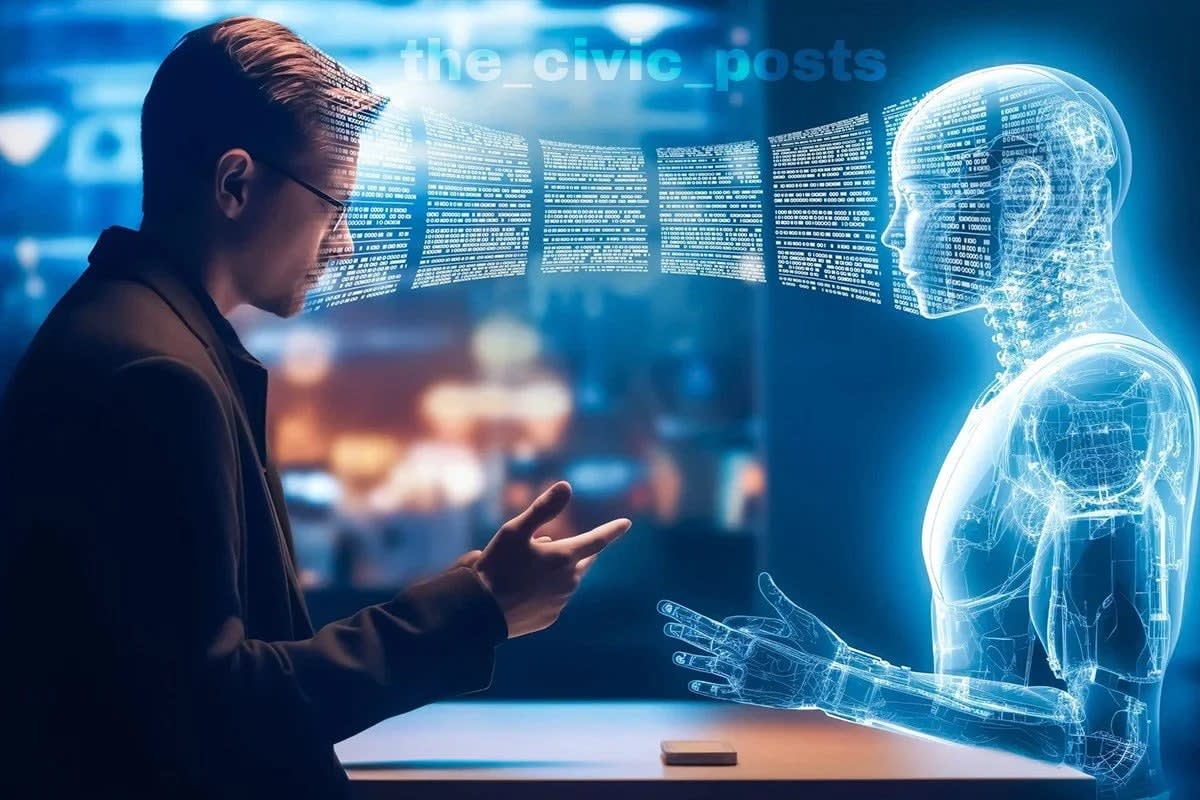
Artificial intelligence isn’t just crunching numbers or predicting stock prices anymore—it’s learning how to talk, listen, and even help us sound smarter in conversations. Recent studies show that AI is reshaping communication skills in classrooms, workplaces, and everyday life. And yes, sometimes it even tries to understand sarcasm (good luck with that).
One of the most fascinating areas is education. A 2025 systematic review of 28 studies revealed that AI tools are increasingly being used to improve oral communication skills in English as a Foreign Language (EFL) classrooms. Learners practicing with AI-powered platforms reported better fluency, pronunciation, and confidence. The best part? No fear of classmates laughing when you stumble over “rural.” AI just patiently listens to your 50th attempt without judgment—though it probably deserves a medal for endurance.
Beyond classrooms, AI is also making workplace communication sharper. Research published in MDPI highlights how AI-driven communication tools are changing leadership dynamics. Leaders using AI assistants can streamline messages, reduce misunderstandings, and even boost employee engagement. Of course, whether employees want their boss’s chatbot to remind them about deadlines is another story.
Efficiency is another big win. A recent study suggests that AI can make communication about 30% more efficient by analyzing not just words but tone and context. Imagine having a digital coach who notices when your “Sure, fine” actually means “I’m plotting revenge.” That’s the kind of nuance AI is starting to pick up.
Swipe/scroll sideways to view images
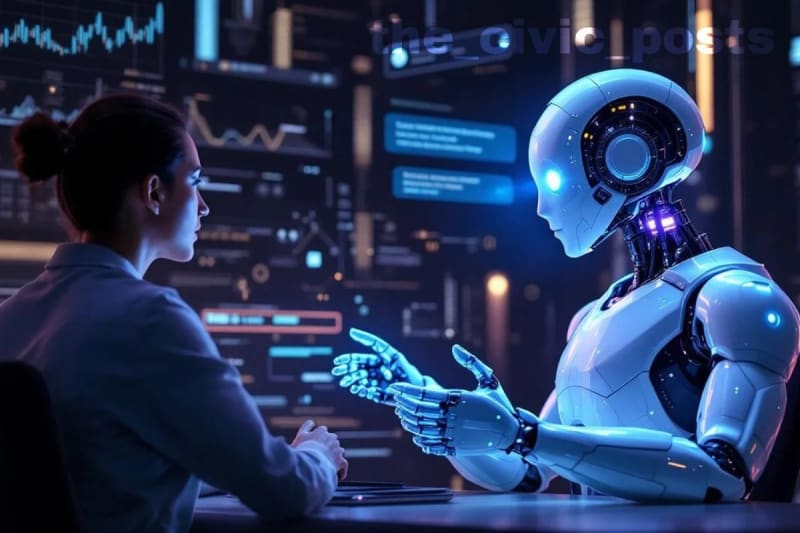
So why does this matter? For one, AI communication tools are breaking down language barriers, making international collaboration smoother than ever. Students gain confidence by practicing with AI before stepping into real-world conversations. And companies are using AI to sharpen leadership communication, reduce misinterpretations, and improve productivity.
Of course, AI isn’t perfect. It still struggles with sarcasm, doesn’t clap when you finally nail that tricky pronunciation, and won’t laugh at your jokes (though maybe that’s for the best). But it’s becoming the quirky sidekick that helps us talk better, listen smarter, and avoid a few awkward silences.
Bottom line: AI isn’t replacing human communication—it’s enhancing it. Think of it as the friend who always has time to listen, never interrupts, and occasionally reminds you that “Thanks, Mom” is not the best way to end a meeting with your boss.